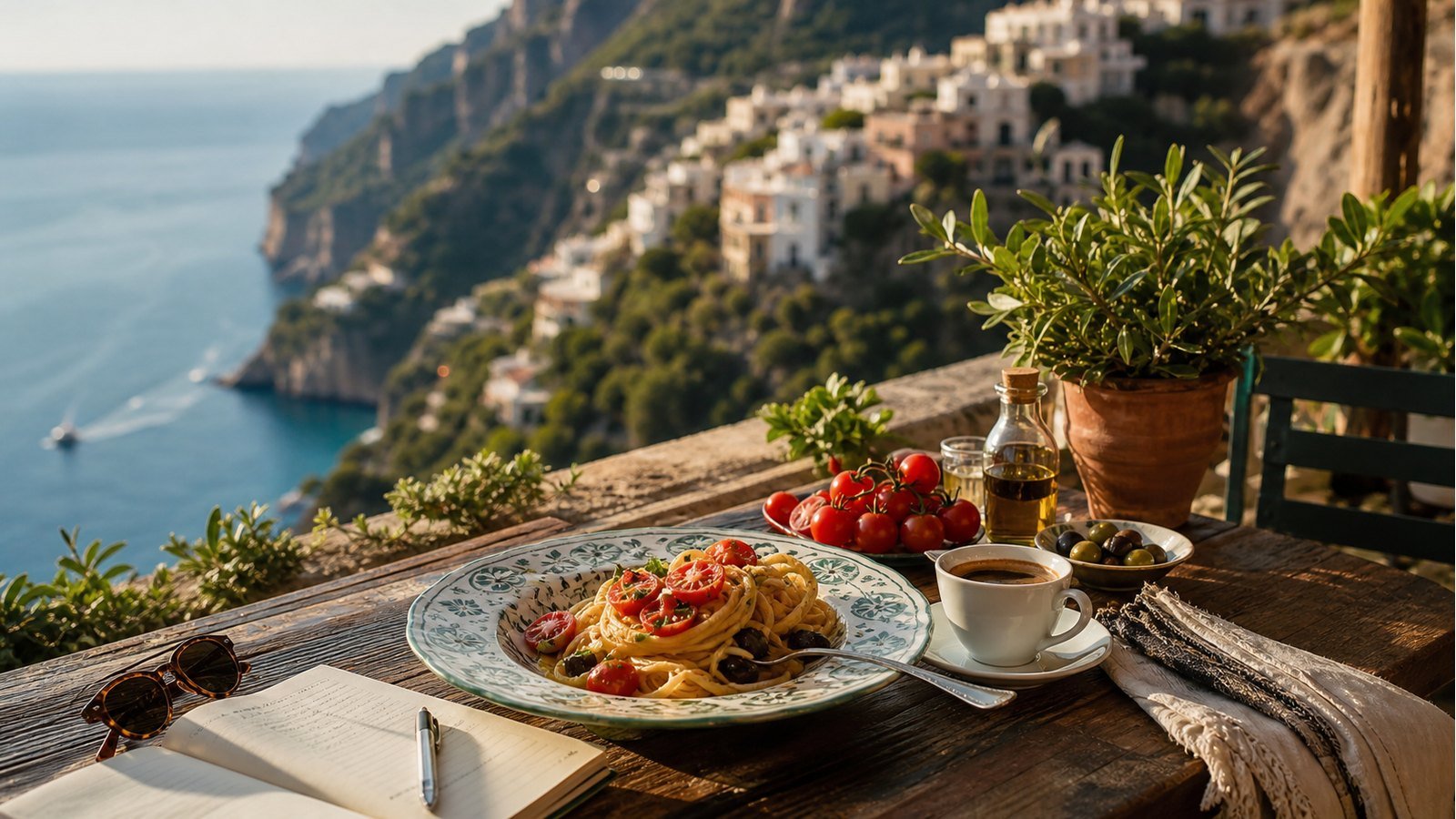
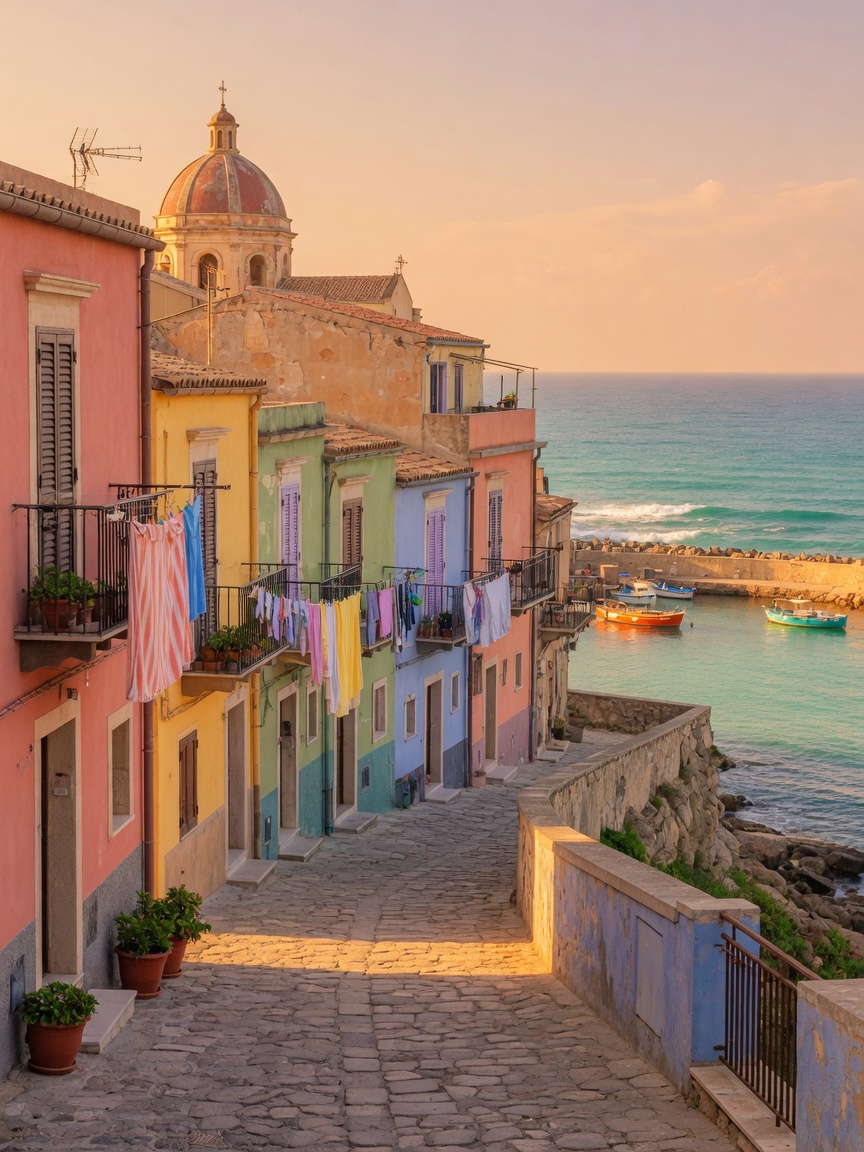
Italy is having a moment this summer — and not entirely the kind postcards are made of. All 27 cities monitored under the country’s national heat surveillance system have been placed on red alert, an unusually widespread warning that touches Rome, Milan, Naples, and beyond. For travelers dreaming of piazzas, coastal towns, and long lunches under pergolas, the heatwave is forcing a rethink — not a cancellation — of how to experience Italy destinations this season.
The good news: Italy is vast, regionally diverse, and full of ways to dodge the worst of the heat while still eating well, walking cobbled streets, and finding hidden gems Italy is famous for once you step off the main tourist circuits.
Why the Heat Alert Changes the Rome and Milan Experience
Rome and Milan remain the epicenters of both tourism and this week’s red warnings. In Rome, the combination of heat and ongoing crowding pressures around accommodation and public spaces means midday sightseeing at the Colosseum or Trevi Fountain is now a genuine endurance test rather than a leisurely stroll. Local advice echoes what Italians have long known instinctively: mornings and evenings are for movement, afternoons are for shade, a granita, or a museum with air conditioning.
This isn’t just a Rome problem. Milan’s urban heat island effect intensifies the discomfort, while historic centers with narrow streets — designed for pre-modern climates — trap warmth long after sunset. The practical implication for regional travel planning is clear: itineraries built around 9am-to-6pm sightseeing marathons need restructuring around siesta-style breaks, indoor cultural stops, and later dinners — which, conveniently, is how much of Italy already eats.
Sicily’s Coastal Advantage and Its Archaeological Spotlight
While inland cities bake, Sicily continues to prove why coastal geography matters. Sea breezes moderate extreme heat along much of the island’s coastline, and Sicily has stayed firmly in the travel news cycle for a more thrilling reason: the discovery of a 2,000-year-old Roman shipwreck off its coast. The find has reignited interest in the island’s underwater archaeology and deepened its profile as a heritage tourism destination, not just a sun-and-sand escape.
For travelers weighing Sicily Tuscany Rome coastal towns against each other this summer, Sicily offers a compelling case: ancient ruins, Baroque towns like Noto and Ragusa, and now a headline-making maritime discovery, all paired with the relative relief of coastal air. Towns like Cefalù, Taormina, and the Aeolian Islands allow for slower, sea-adjacent exploration that sidesteps the worst inland heat spikes.
Tuscany and the Rise of Sustainable Regional Escapes
Beyond the marquee cities, this week’s broader Italy travel coverage has spotlighted something Acerbo Livio readers already know: the country’s regional and lesser-known destinations are where sustainable, heat-conscious travel often works best. Tuscany’s hill towns — Montepulciano, Volterra, Pitigliano — sit at elevation, offering naturally cooler evenings than the Arno valley floor. Rural agriturismi and smaller villages across Umbria, Le Marche, and inland Puglia are drawing renewed interest precisely because they combine authenticity with lower tourist density and gentler summer conditions.
- Elevation matters: Hill towns in Tuscany and Umbria offer cooler nights than coastal or valley cities.
- Coastal breezes help: Sicily, the Amalfi Coast, and Liguria moderate heat better than landlocked urban centers.
- Timing is everything: Early morning and post-sunset itineraries preserve the joy of sightseeing without the risk.
- Lesser-known destinations reward flexibility: Villages in Le Marche or inland Puglia offer authentic experiences with fewer crowds and infrastructure strain.
What This Means for Your Next Italy Itinerary
The red-alert heatwave doesn’t have to derail a trip — it should reshape it. Travelers heading to Italy this summer are better served by building flexibility into their days: swap midday museum queues for early breakfasts and long, late dinners; favor coastal or elevated regions over dense urban cores during peak afternoon hours; and consider that Sicily’s current archaeological buzz and Tuscany’s quieter hill towns offer real alternatives to the Rome-Milan heat corridor.
Key takeaway: Italy’s 2024 heatwave is a reminder that great travel here has always been about rhythm — siesta, aperitivo, passeggiata — not just destinations. Lean into that rhythm, diversify beyond the biggest cities, and Italy’s regions, coastlines, and hidden corners will reward you regardless of what the thermometer says.