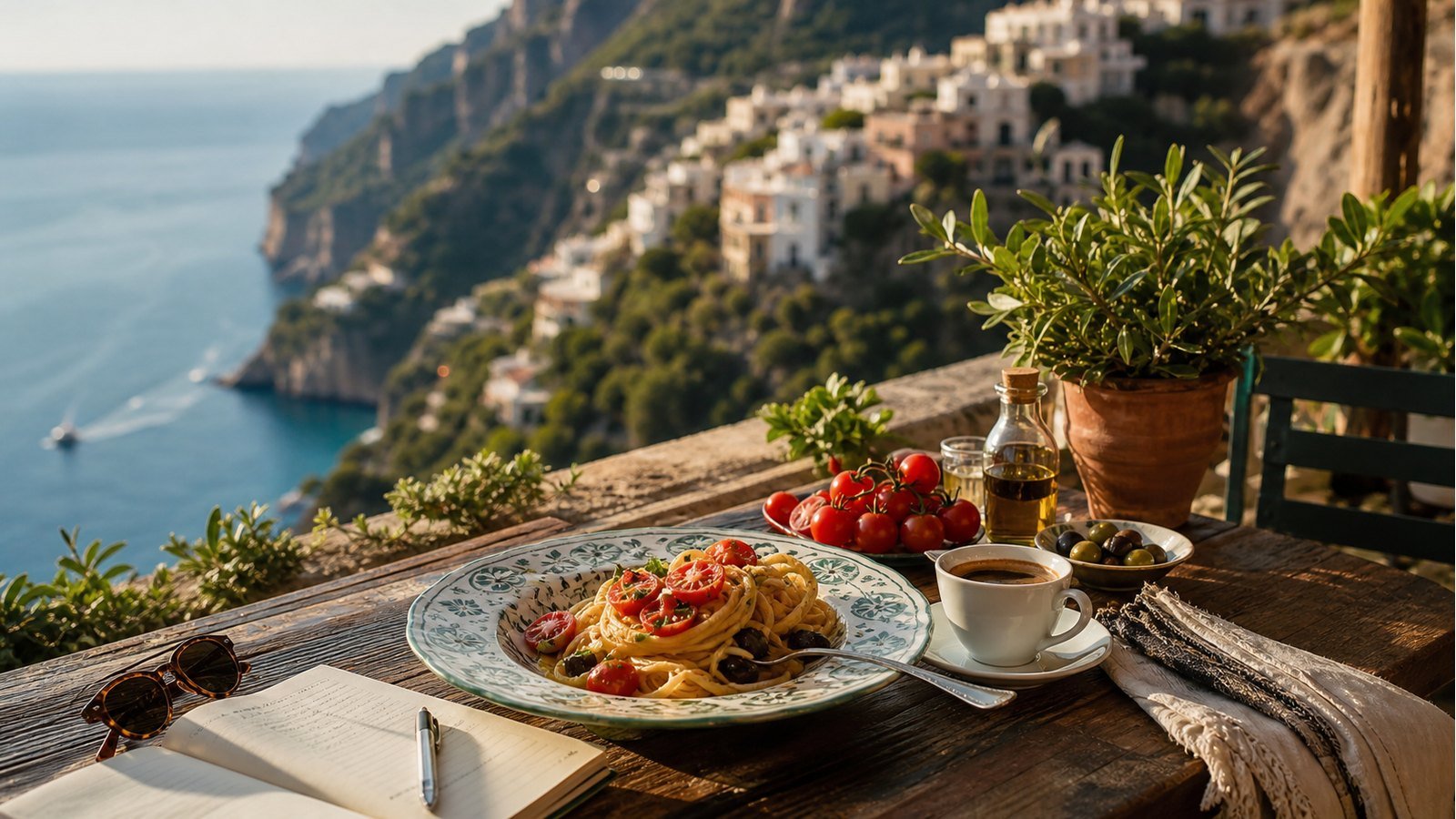
For decades, a first trip to Italy meant a predictable triangle: Rome, Florence, Venice, perhaps a detour to the Amalfi Coast if time allowed. That script is being rewritten. A growing body of travel reporting from ItaliAbsolutely, Lagazzettaitaliana, and Wanted in Rome points to a deliberate, accelerating push toward regional travel — one that spreads visitors across Sicily’s baroque interior, Liguria’s quieter western villages, and southern hubs long overshadowed by the classics. This isn’t a single headline moment; it’s a strategic shift in how Italy markets itself, and it matters for anyone planning a trip in 2026 and beyond.
Sicily’s Moment: Baroque Towns and Hidden Gems Like Bagheria
Sicily continues to anchor this new wave of interest. Travel coverage has singled out Bagheria, just outside Palermo, as an underrated stop worth building an itinerary around — its 18th-century villas, unpretentious trattorias, and proximity to Palermo’s markets make it an easy add for travelers who want authenticity without sacrificing convenience. Bagheria’s appeal lies precisely in what it isn’t: it’s not crowded, not overexposed, and not yet a fixture on every itinerary, which is exactly what makes it one of Sicily’s most compelling hidden gems right now.
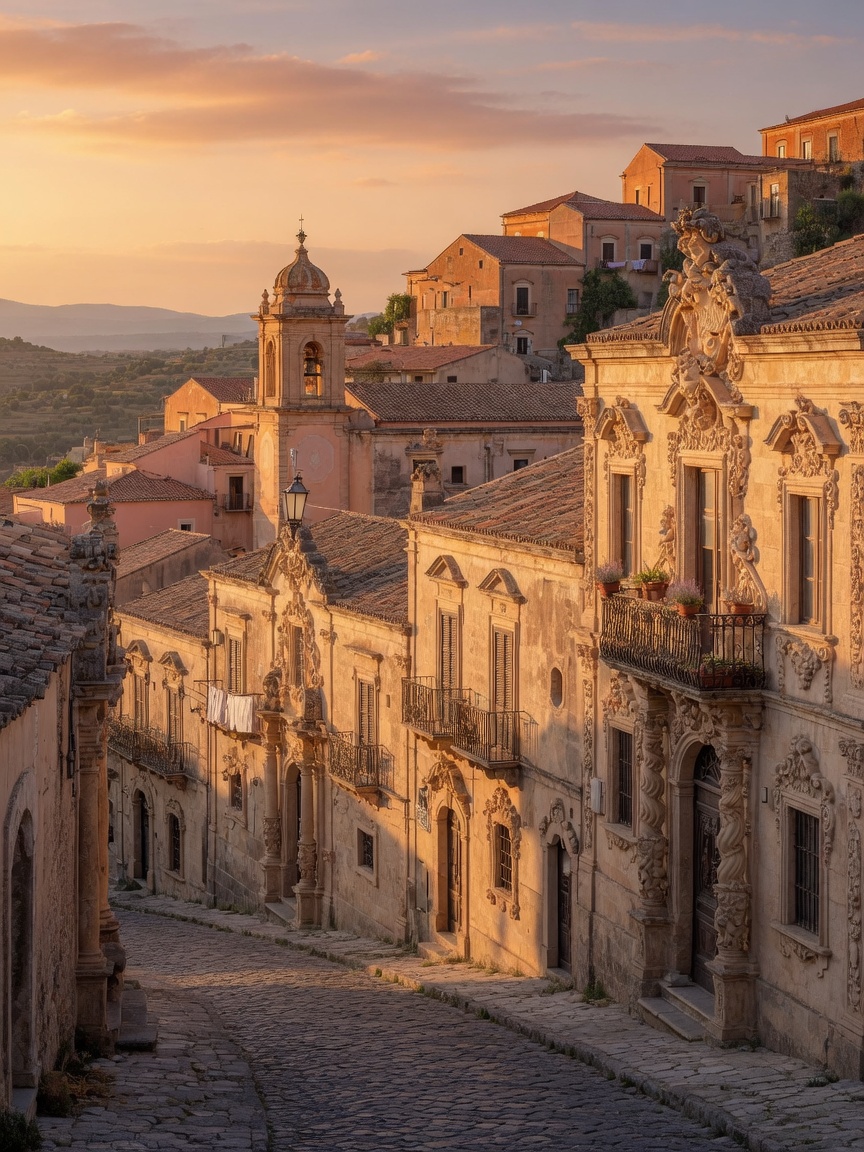
At the same time, Sicily’s baroque towns — the cluster of southeastern destinations shaped by 17th- and 18th-century rebuilding after devastating earthquakes — are reportedly seeing strong global growth in visitor interest. These towns, rich in ornate facades, inland food traditions, and a slower pace of life, represent a different kind of Sicily than the coastal resort image most travelers carry. Combined with new air connectivity — including Neos opening sales for a New York–Bari route launching summer 2026 — southern Italy is becoming meaningfully easier to reach directly, reducing the need to funnel every itinerary through Rome or Milan first.
Rome’s Sustainable-Luxury Pivot and the Rise of Village Tourism
Rome, unsurprisingly, isn’t stepping back from the spotlight — but how it’s being positioned is changing. Coverage of an Ecoluxury Fair held in the city signals a deliberate effort to court travelers who want high-end experiences without the environmental and social costs of mass tourism. This matters because Rome has long grappled with overtourism in its historic core; a sustainable-luxury segment offers an alternative that keeps high-spending visitors engaged while, in theory, easing pressure on the most saturated sites.
Meanwhile, western Ligurian villages are being cited as a model for village-based tourism — smaller, less-visited coastal and hillside communities that offer an experience closer to daily Italian life than the polished resort towns of the eastern Riviera. This is part of a broader theme running through Italy’s current tourism strategy: dispersing visitors beyond Rome, Venice, and the Amalfi Coast into smaller destinations that can absorb tourism more sustainably while giving travelers a more textured, less transactional sense of place.
What This Means for Travelers Planning Ahead
The practical implication is straightforward: Italy’s most rewarding Italy destinations in the next few years may not be the ones dominating postcards. For travelers weighing Sicily, Tuscany, Rome, or coastal towns, the smart move is increasingly to pair one iconic stop with at least one lesser-known region — Bagheria alongside Palermo, a Ligurian village alongside the Cinque Terre, a baroque Sicilian town alongside Syracuse or Ragusa.
- Book regional flights early — routes like the new Bari connection expand access but often start with limited seasonal frequency.
- Consider shoulder-season travel to baroque Sicilian towns, where crowds are lighter and hospitality businesses are actively courting new visitors.
- Look for Rome stays and experiences branded around sustainability, which increasingly correlate with smaller-scale, higher-quality service.
- Treat village-based Liguria as a genuine alternative to the more saturated eastern Riviera towns.
This regional rebalancing isn’t just good for crowd management — it’s good for the quality of the trip itself. Slower travel through Italy’s lesser-known corners tends to produce better meals, more genuine conversations, and a stronger sense of discovery than checking off monuments in a saturated city center.
Key takeaway: Italy’s tourism strategy is quietly but firmly shifting toward regional depth over headline destinations. Travelers who follow that shift — toward Sicily’s inland towns, Rome’s sustainable offerings, and Liguria’s smaller villages — will likely find a more rewarding, less crowded version of the country than the one most guidebooks still describe.