August in Italy has always meant heat, crowds, and Ferragosto rituals — but this year the conversation around Italy destinations is shifting in a notable way. Rather than funneling toward the same handful of monuments in Rome and Florence, travelers and travel media alike are pointing south, inland, and toward the coast, chasing cooler air, quieter piazzas, and a more authentic sense of place. The result is a peak season that looks less like a single itinerary and more like a mosaic of regional alternatives.
Rome Adapts, but the Crowds Are Moving Elsewhere
Rome remains the gravitational center of Italian summer travel, and this year the city is responding directly to the pressures of overtourism and extreme heat. Extended evening hours at the Colosseum and the Pantheon allow visitors to explore major sights after the harshest midday sun has passed — a small but telling adjustment that reflects how deeply climate and crowd density now shape city planning.
Yet even with these accommodations, many travelers are choosing to sidestep the capital altogether during peak weeks. Reports from outlets including the BBC and Idealista describe a growing appetite for regional travel that trades marble ruins for coastal breezes and hilltop quiet. It’s not that Rome and Florence are losing their appeal — it’s that August, specifically, is being reconsidered as the wrong month to fight the crowds there.
The Rise of Hidden Gems in Southern and Coastal Italy
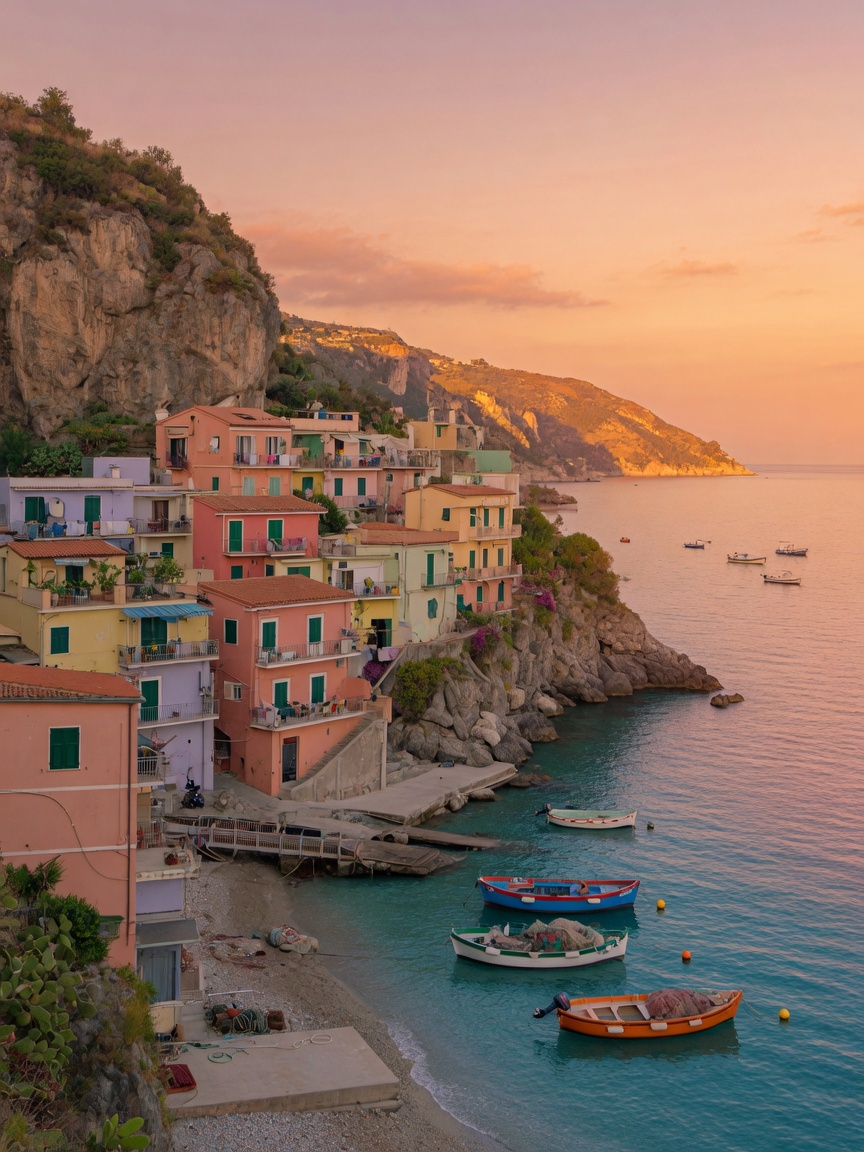
Calabria and Sicily are emerging as clear beneficiaries of this shift. Coastal towns like Capo Vaticano, with its dramatic cliffs above turquoise water, and Maratea in Basilicata, often called the “Pearl of the Tyrrhenian,” are being repeatedly cited in 2026 travel lists as alternatives to the packed beaches of the Amalfi Coast.
Further destinations gaining traction include:
- Marina di Camerota in Cilento, known for sea caves and a slower southern rhythm
- Fermo in the Marche region, offering Renaissance architecture without the Tuscan price tag
- Bellagio on Lake Como, still elegant but easier to navigate than the lake’s more famous stops
- Messina and Salento, where Sicilian and Puglian traditions collide with festival culture
- Sassari and Olbia in Sardinia, drawing travelers toward less saturated stretches of coastline
What links these places isn’t obscurity for its own sake — it’s a genuine alternative to the classic Sicily-Tuscany-Rome coastal towns circuit, one that still delivers exceptional food, sea, and history, just without the two-hour queue.
Inland Italy and the Shoulder-Season Signal
Perhaps the most interesting trend is the renewed interest in inland towns like Montepulciano, where Vino Nobile tastings and cooler elevation offer respite from coastal humidity. Festival-driven travel — local sagre, wine harvests, and religious processions tied to Ferragosto — is drawing visitors who want cultural immersion rather than just a change of scenery.
However, travel advisories are increasingly candid about one truth: many so-called hidden gems are not actually quiet in mid-August. Ferragosto remains a national holiday, and Italians themselves flood toward the same coastal and inland towns being promoted to international visitors. This has pushed savvy travelers toward shoulder-season planning — early August or the final days of the month — as a way to capture the appeal of these regions without the domestic tourism peak.
What This Means for Future Italy Travel Planning
The implications extend beyond this single summer. As extreme heat becomes a more consistent feature of Mediterranean travel, and as cities like Rome continue adjusting hours and infrastructure to manage demand, the broader trend toward regional travel is likely to solidify rather than fade. Marche, Basilicata, and inland Sicily are no longer simply overflow destinations — they’re increasingly positioned as primary choices in their own right.
For travelers building future itineraries, this suggests a more deliberate approach: pairing one or two iconic stops with genuine regional exploration, and treating timing — not just destination — as a critical part of the plan.
Key takeaway: Italy’s August travel patterns in 2026 reveal a maturing relationship between visitors and the country’s most pressured destinations. The smartest trips this season aren’t about avoiding Rome or Sicily altogether, but about rethinking when and how to experience them — often by looking toward the coastlines, hill towns, and inland festivals that make regional Italy so compelling in the first place.