Mount Etna is doing what it has done for millennia — reminding Sicily who’s in charge. This week’s volcanic activity has grounded flights, closed Catania airport through August 15, and scrambled travel plans across the island, right as Italy heads into its busiest travel window of the year. With Ferragosto forecasts pointing to roughly 17.4–17.5 million travelers moving through the country in early-to-mid August and direct spending topping €9 billion, the timing couldn’t be more pointed. For anyone with an Italy trip on the calendar, this is less a reason to panic and more a prompt to rethink the map.
Sicily’s Disruption Is a Sicily-Specific Problem — Mostly
Let’s be clear about scale: Etna’s ash cloud is a real and immediate issue for Catania-bound travelers, with cancellations and reroutings rippling across the island’s air links. But it’s not an Italy-wide shutdown. Palermo, the Aeolian Islands, and Sicily’s western coast remain largely reachable, and the disruption is a useful reminder that regional travel in Italy always carries a bit of unpredictability — weather, geology, infrastructure — that rewards flexibility over rigid itineraries.
If you had Taormina or Etna’s wine country on the books, this is the week to build in slack: extra buffer days, backup rail or ferry connections, and a willingness to shift a night or two toward Syracuse or the Baroque towns of the southeast, which remain untouched by the ash and considerably calmer.
Peak Season Pressure Is Pushing Travelers Beyond the Obvious
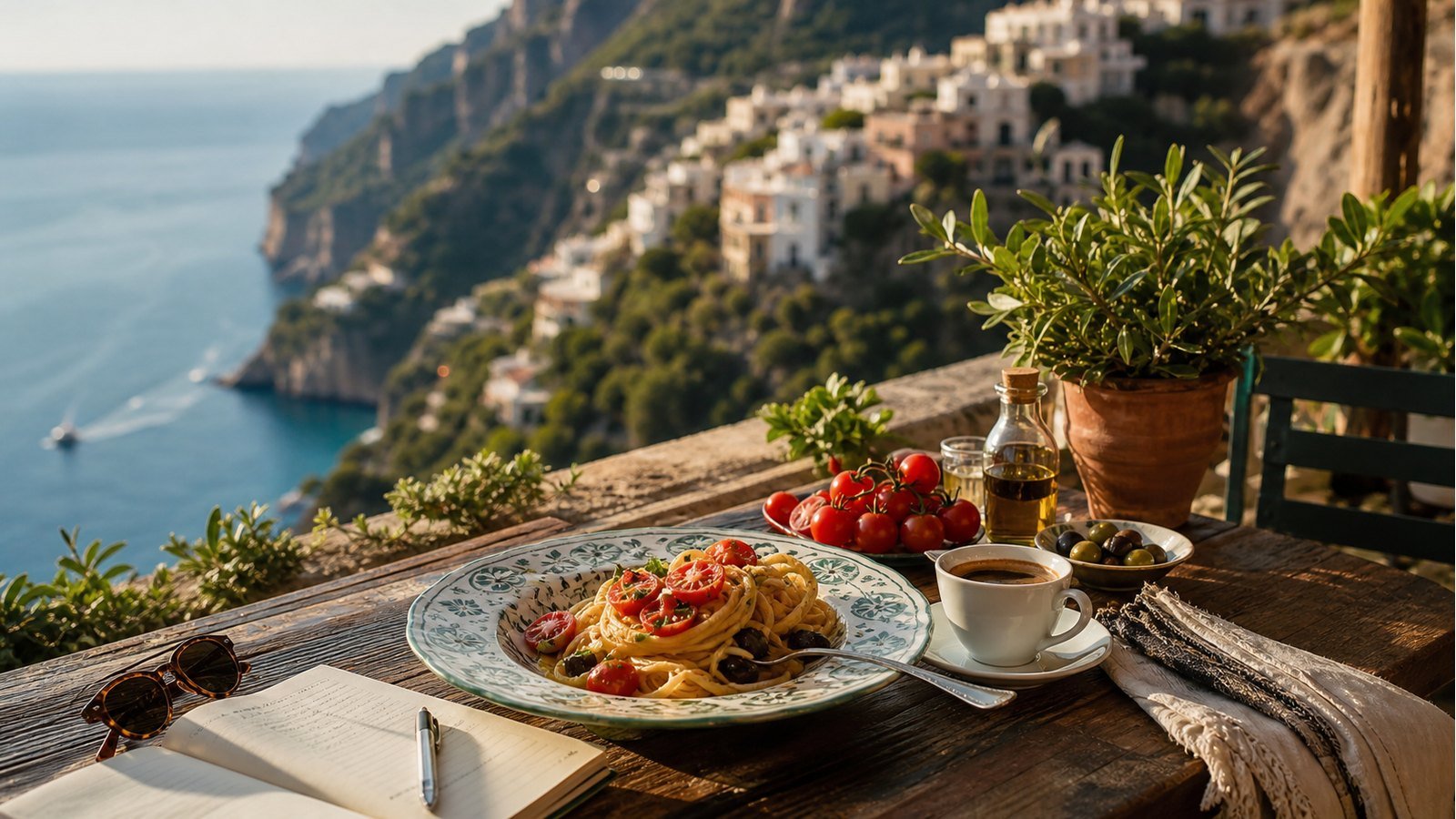
Even without a volcano in the mix, mid-August in Italy is its own kind of challenge. Rome, Venice, Naples, and Milan are all under heat red alerts, with several major sights extending into evening hours specifically to help visitors avoid the worst of the midday sun. Add Ferragosto’s tens of millions of domestic and international travelers converging on the same handful of icons — the Colosseum, the Duomo, the Amalfi Coast — and you get the kind of congestion that turns a dream trip into a logistics exercise.
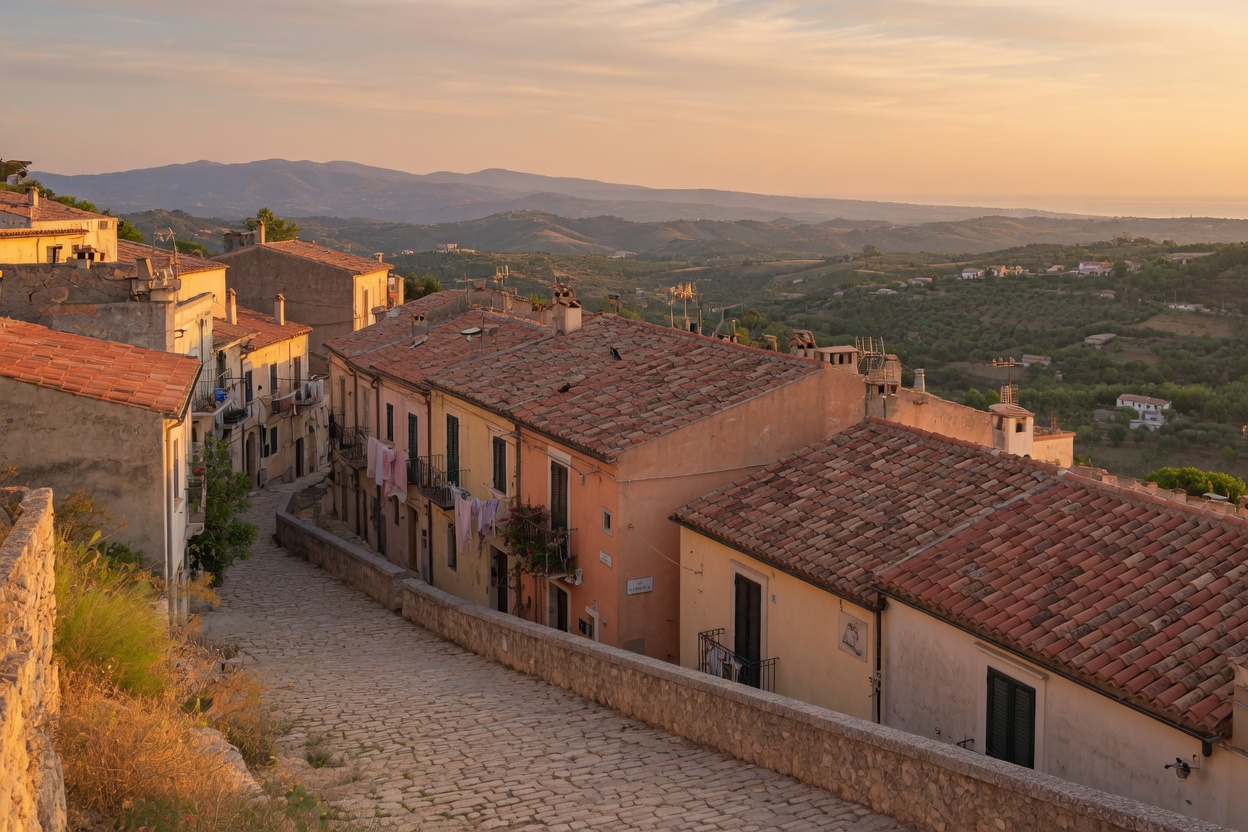
This is exactly where hidden gems Italy searches spike every August, and for good reason. The classic circuit of Rome, Tuscany, and the big coastal towns is extraordinary, but it’s also where the crowds, heat, and rail disruptions concentrate hardest. Major railway works between Florence and Rome are already complicating August connections on one of the country’s busiest corridors, adding another argument for spreading itineraries beyond the usual stops.
Consider trading a fourth night in Florence for:
- Le Marche — rolling hills without the Tuscan price tag or crowds
- Puglia’s interior towns like Ostuni or Alberobello’s quieter neighbors
- Basilicata, where Matera draws attention but the surrounding region stays wonderfully empty
- Sicily’s eastern towns beyond Etna’s immediate reach, like Modica or Ragusa
Border Checks and Practical Logistics Deserve a Second Look
One development that’s easy to miss amid the volcano headlines: Italy has temporarily reintroduced targeted border checks for arrivals from Spain, mainly affecting some air and sea travelers. It’s a modest measure, but it underscores a broader point for August travel — logistics are moving targets right now. Between rail works, heat-driven schedule changes, and localized disruptions like Etna, the practical backbone of a trip (how you get from A to B) deserves as much planning attention as the destinations themselves.
What This Means for Your Trip
None of this suggests avoiding Italy this month — it suggests traveling it more deliberately. Build flexibility into Sicily plans given Etna’s activity. Shift midday sightseeing to early morning or the newly extended evening hours in major cities. And seriously weigh regional alternatives to the Rome–Tuscany–coastal-towns circuit, both for comfort and for a genuinely different, less-crowded experience of the country.
Key takeaway: Etna’s eruption and Ferragosto’s crowds are converging at the worst possible moment for rigid itineraries — but they’re also opening a real window for travelers willing to explore Italy’s quieter regions, where the food, coastline, and hospitality are every bit as compelling as the headline destinations, minus the heat alerts and the queues.