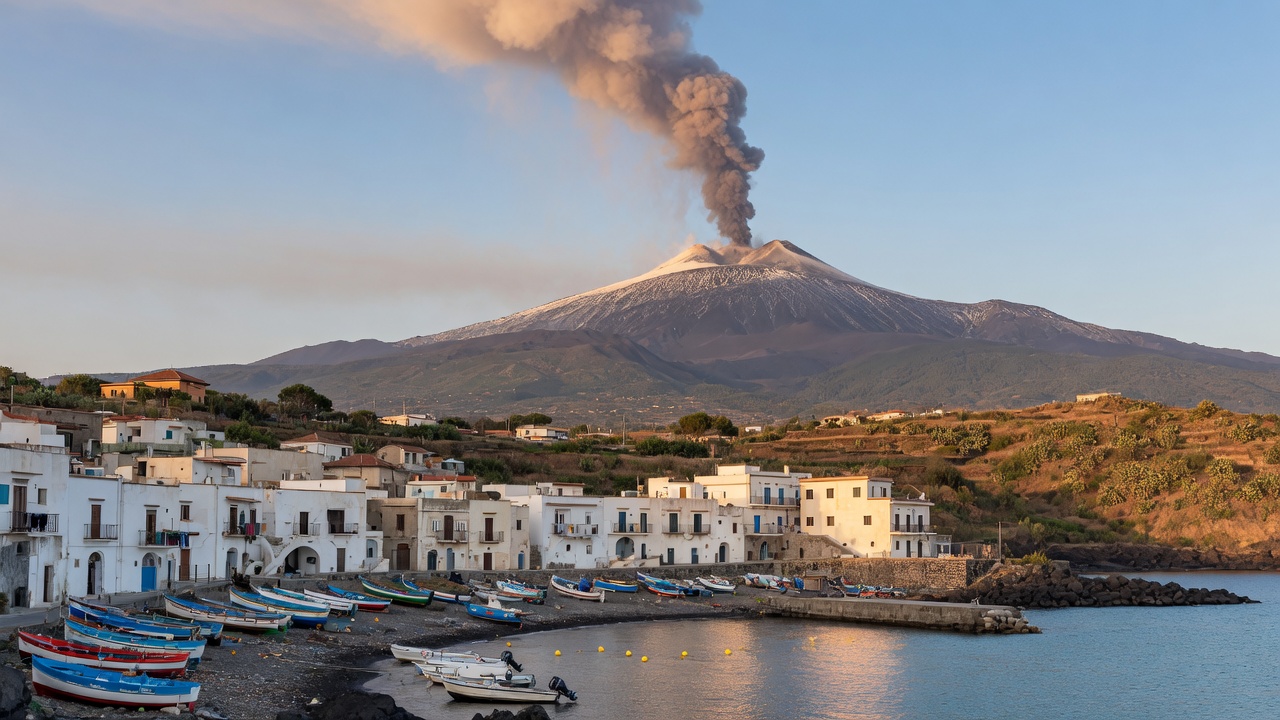
Mount Etna has done what Mount Etna periodically does: reminded everyone that Sicily’s volcano is not a postcard backdrop but a living, breathing force that occasionally grounds planes. This week’s eruption sent ash plumes over eastern Sicily, forcing the closure of Catania airport — the island’s busiest — and leaving hundreds of travelers stranded or scrambling to rebook. For anyone with a Sicily trip on the calendar, or Italy destinations more broadly on the mind, it’s a timely nudge to think about resilience, timing, and alternatives.
Sicily’s Resilience Playbook
Etna eruptions are not new. The volcano is one of the most active in Europe, and Catania’s airport, sitting practically in its shadow, has weathered ash-related shutdowns before. What’s different each time is how quickly the disruption ripples outward: connecting flights to Rome and Milan, rental car pickups, and coastal itineraries around Taormina or Syracuse all get reshuffled within hours.
For travelers, the practical takeaway is simple but important:
- Build a buffer day into Sicily itineraries, especially if flying directly into or out of Catania.
- Consider Palermo as an alternative gateway when eastern Sicily is affected — it’s roughly a three-hour drive but often unaffected by ash closures.
- Check airline ash-advisory policies before booking, as many carriers offer flexible rebooking during volcanic disruptions.
None of this diminishes Sicily’s appeal. If anything, the eruption is a reminder that the island’s dramatic geology — the same forces that produce fertile vineyards around Etna’s slopes and mineral-rich soil for citrus groves — is inseparable from its charm. Sicily travel has always required a bit of flexibility, and this week is simply an emphatic version of that lesson.
The Quiet Appeal of Hidden Gems Italy
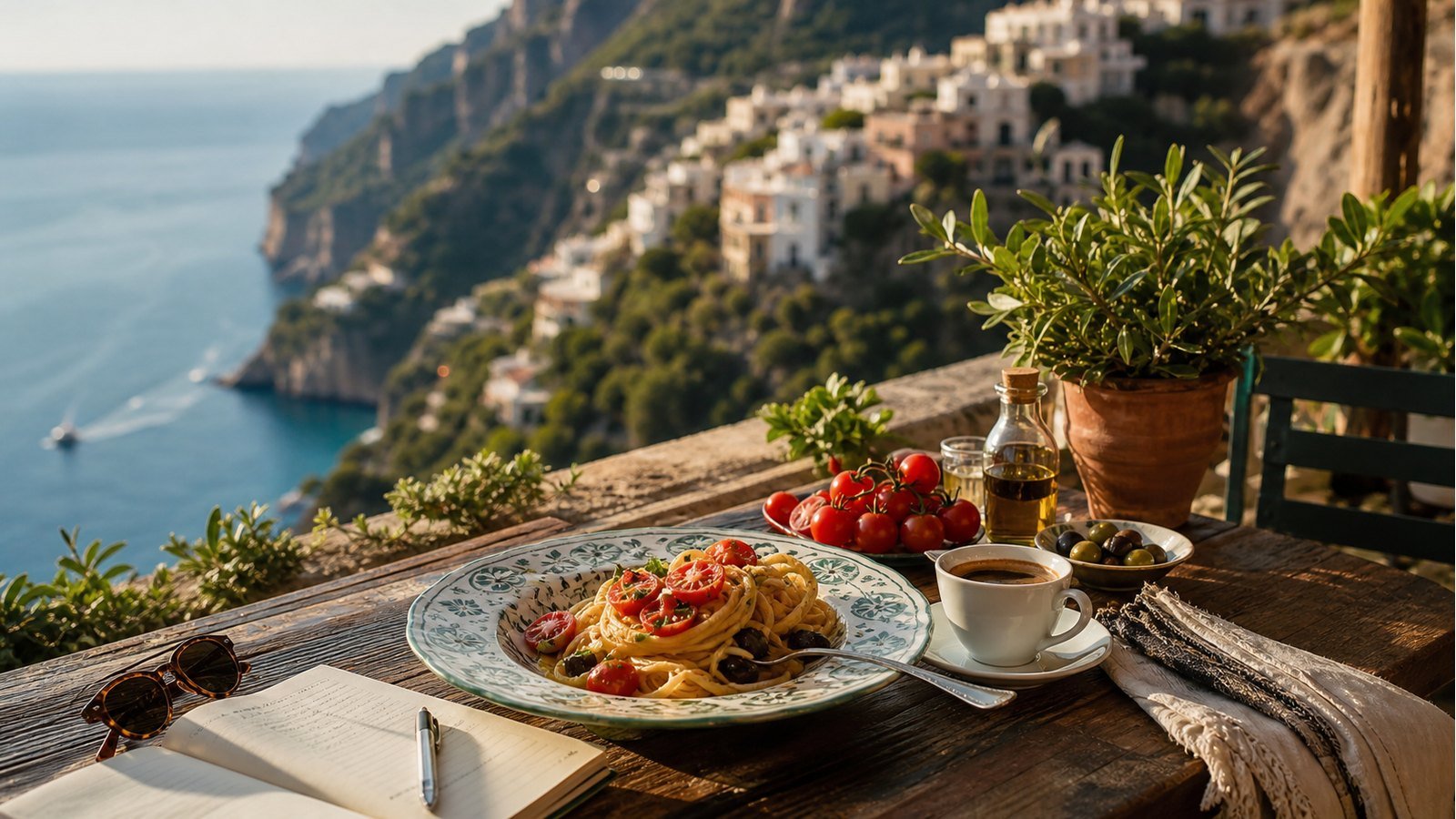
While Catania dealt with ash clouds, a different kind of Italy travel conversation kept gaining traction: the search for hidden gems Italy has to offer beyond its most photographed corners. Cinque Terre, the Amalfi Coast in peak season, and central Florence are wonderful, but they’re also crowded, and increasingly travelers are asking what else is out there.
Coastal towns Italy rarely puts on postcards are having a moment. Think Cefalù’s understated waterfront on Sicily’s north coast, the fishing town of Marzamemi near Sicily’s southeastern tip, or Castiglione della Pescaia along Tuscany’s Maremma coast — all offering the same sun, seafood, and slow pace as their famous neighbors, minus the crowds. Inland, hill towns in Tuscany like Pitigliano or Sicily’s Baroque interior towns such as Modica and Noto reward travelers willing to skip the highlight reel.
This isn’t just a niche trend — it’s a practical response to overtourism concerns that have been building across Italy destinations for several seasons. Spreading visitors across regions eases pressure on saturated spots and, frankly, tends to produce better trips: better tables at trattorias, more relaxed conversations with local producers, more room to actually see a place rather than photograph it in a crowd.
Rome, Tuscany, and the South: Still the Backbone of Regional Travel
Despite the appeal of lesser-known spots, classic regional travel patterns remain strong. Rome continues to anchor most multi-stop Italy itineraries, commonly paired with Tuscany for countryside and wine, or with the south — Amalfi, Naples, Sicily — for coastline and history. This structure works precisely because Italy’s regions are so distinct: Rome’s density of ancient and Renaissance sites, Tuscany’s rolling agricultural landscapes, and the south’s dramatic coastal geography and layered Greek-Roman-Arab-Norman history in Sicily specifically.
Adding to that historical draw, archaeologists recently announced a significant underwater Roman shipwreck discovery off Sicily’s coast, reinforcing the island’s status as a place where ancient trade routes, volcanic geology, and modern travel collide. It’s the kind of headline that quietly boosts interest in heritage-focused itineraries, giving travelers one more reason to build in time for Sicily’s museums and archaeological parks alongside its beaches.
What This Means for Travelers Planning Italy Trips
The combination of Etna’s disruption and growing interest in alternative destinations points to a broader shift: Italy travel planning is becoming more regionally intelligent. Rather than fixating on a single bucket-list stop, travelers are building itineraries with built-in flexibility, secondary destinations, and appreciation for the geological and cultural forces that shape each region.
Key takeaway: Sicily remains one of Italy’s most rewarding destinations, ash clouds and all, but this week is a good reminder to travel with flexibility, look beyond the most saturated coastal towns, and let Rome, Tuscany, and the south work together as complementary chapters of a single, richer Italian story.