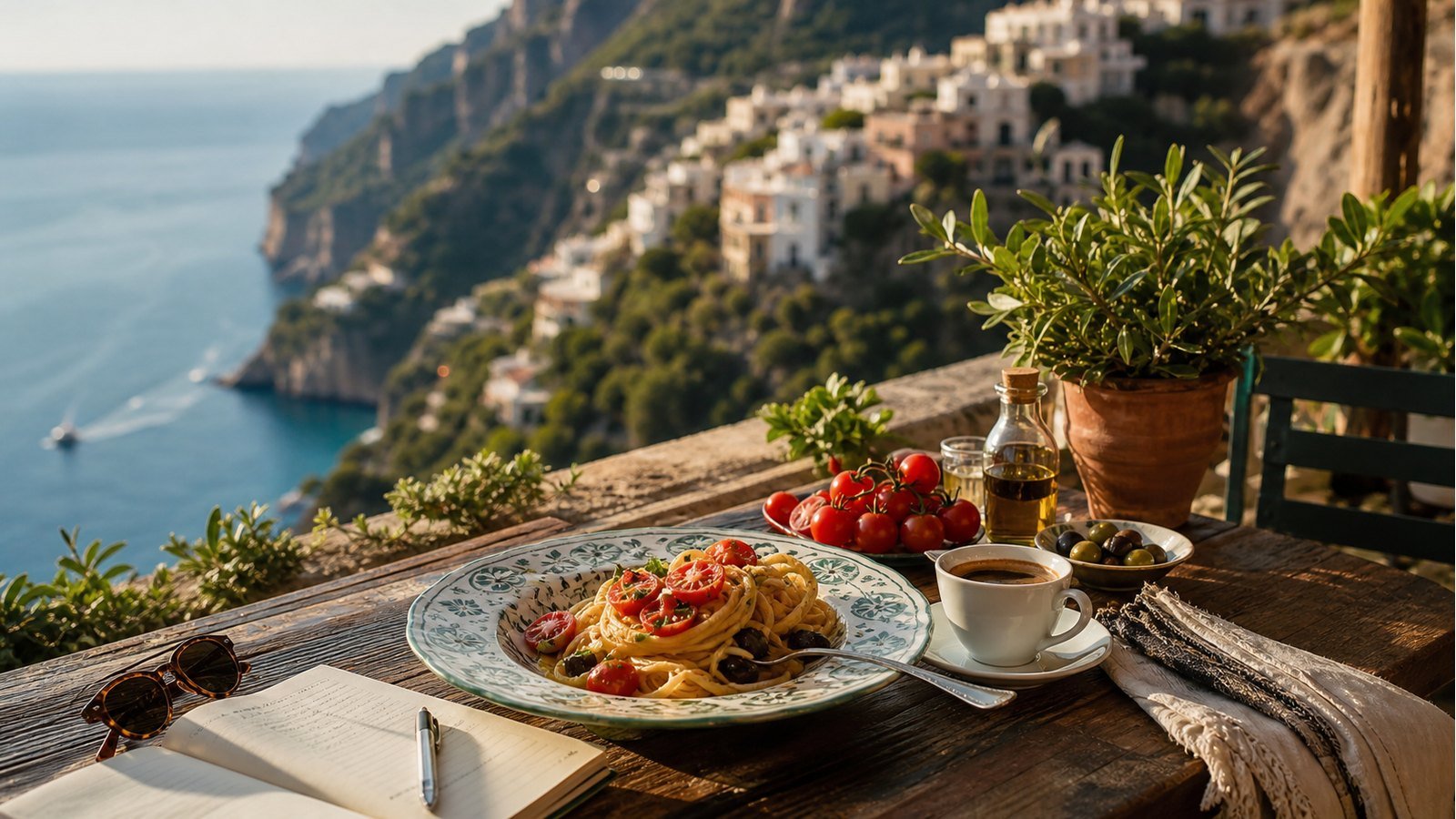
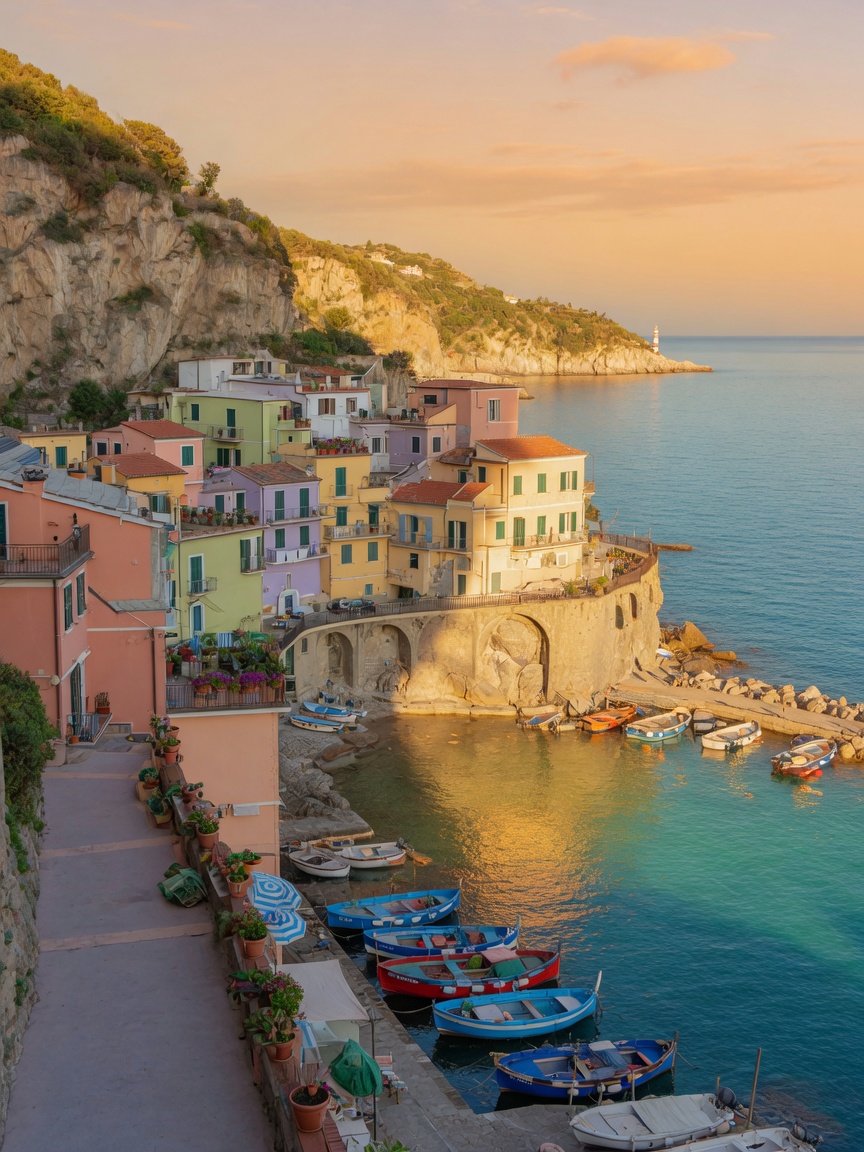
August in Italy has always been a paradox. It’s the month when the country feels most alive — Ferragosto celebrations, ancient festivals, and beach season all colliding at once — yet it’s also when the classic destinations groan under their own popularity. This year, travel editors and regional guides are converging on a clear message: the smartest Italy trip in August isn’t necessarily the most famous one. From Brescia’s understated elegance to Calabria’s Capo Vaticano cliffs, the real story of this season is rediscovery.
The Rise of Italy’s Hidden Gems
Visit Italy’s recent roundup of ten lesser-known August destinations reads like a manifesto against overtourism. Alongside expected mentions of Bellagio on Lake Como, the list champions towns that rarely make it onto first-time visitor itineraries: Maratea on the Tyrrhenian coast, Montepulciano in the Tuscan hills, Capo Vaticano in Calabria, Fermo in the Marche, Genova’s revitalized old port, and Marina di Camerota along the Cilento coastline.
What unites these hidden gems in Italy is a formula that’s increasingly attractive to travelers: authentic culture, dramatic landscapes, and prices that haven’t yet caught up to Amalfi or Cinque Terre. Brescia, in particular, has emerged as a standout city break — a Lombard city with Roman ruins, a UNESCO-listed Renaissance square, and none of Milan’s August tourist saturation. It’s proof that Italy destinations off the main circuit can deliver just as much cultural depth without the queues.
Regional Escapes: Where Coast Meets Value
Beyond individual towns, entire regions are being repositioned as August alternatives. The Maremma in southern Tuscany offers wild beaches, thermal springs, and Etruscan history at a fraction of Chianti’s summer prices. Further south, Cilento and the Gargano peninsula in Puglia are drawing attention for their unspoiled coastlines — dramatic limestone cliffs, pine forests reaching down to turquoise water, and towns that still feel lived-in rather than staged for tourists.
The Marche coast deserves particular mention. Sandwiched between the Adriatic and rolling countryside, it offers a Tuscany-meets-seaside experience without Tuscany’s crowds or costs. This kind of regional travel thinking — choosing an area over a single famous stop — is becoming the dominant strategy for savvy travelers navigating peak season.
- Maremma (Tuscany): Beaches, thermal baths, and Etruscan ruins away from Chianti’s tourist trail
- Cilento (Campania): Coastal villages and national park trails south of the Amalfi crowds
- Gargano (Puglia): Limestone cliffs, sea caves, and forest-backed beaches
- Marche coast: Adriatic seaside towns paired with inland hill culture
Sicily, Tuscany, and Rome: Still Worth It, With Strategy
None of this means the classics are being abandoned — they’re simply requiring smarter planning. Sicily remains a linchpin of late-summer travel, with Messina’s Vara and Giganti processions in mid-August drawing crowds for one of the island’s most striking folk traditions: towering wooden effigies paraded through the streets in a centuries-old ritual. Combined with Sicily’s coastal towns and inland routes through wine country, the island continues to reward visitors who plan around, rather than during, its busiest festival dates.
Rome, too, remains essential despite the heat and density of August tourism. Timed-entry tickets for the Colosseum and Vatican Museums, plus a calendar of outdoor cultural events, make the capital manageable if approached with a reservation-first mindset. Meanwhile, Tuscany’s Siena hosts the Palio dell’Assunta on August 16th — a historic horse race around the Piazza del Campo that anchors the region’s festival calendar and makes nearby Montepulciano an ideal, quieter base for those who want proximity without the chaos of race day itself.
What This Means for Your Next Trip
The throughline across all this coverage is straightforward: Italy’s August identity is shifting from a handful of iconic hotspots to a broader, more distributed map of experiences. Travelers willing to trade Positano for Maratea, or central Siena for Montepulciano, are finding better value, shorter lines, and often more genuine cultural encounters. This doesn’t diminish Sicily, Tuscany, or Rome — it simply means visiting them intelligently, timed around festivals rather than against them, and pairing famous stops with lesser-known neighbors.
Key takeaway: This August, the best Italian itineraries aren’t built around avoiding the country’s icons entirely, but around balancing them with regional escapes — Brescia instead of only Milan, Maremma alongside Chianti, Capo Vaticano beside the Amalfi Coast. It’s a season that rewards curiosity as much as planning.