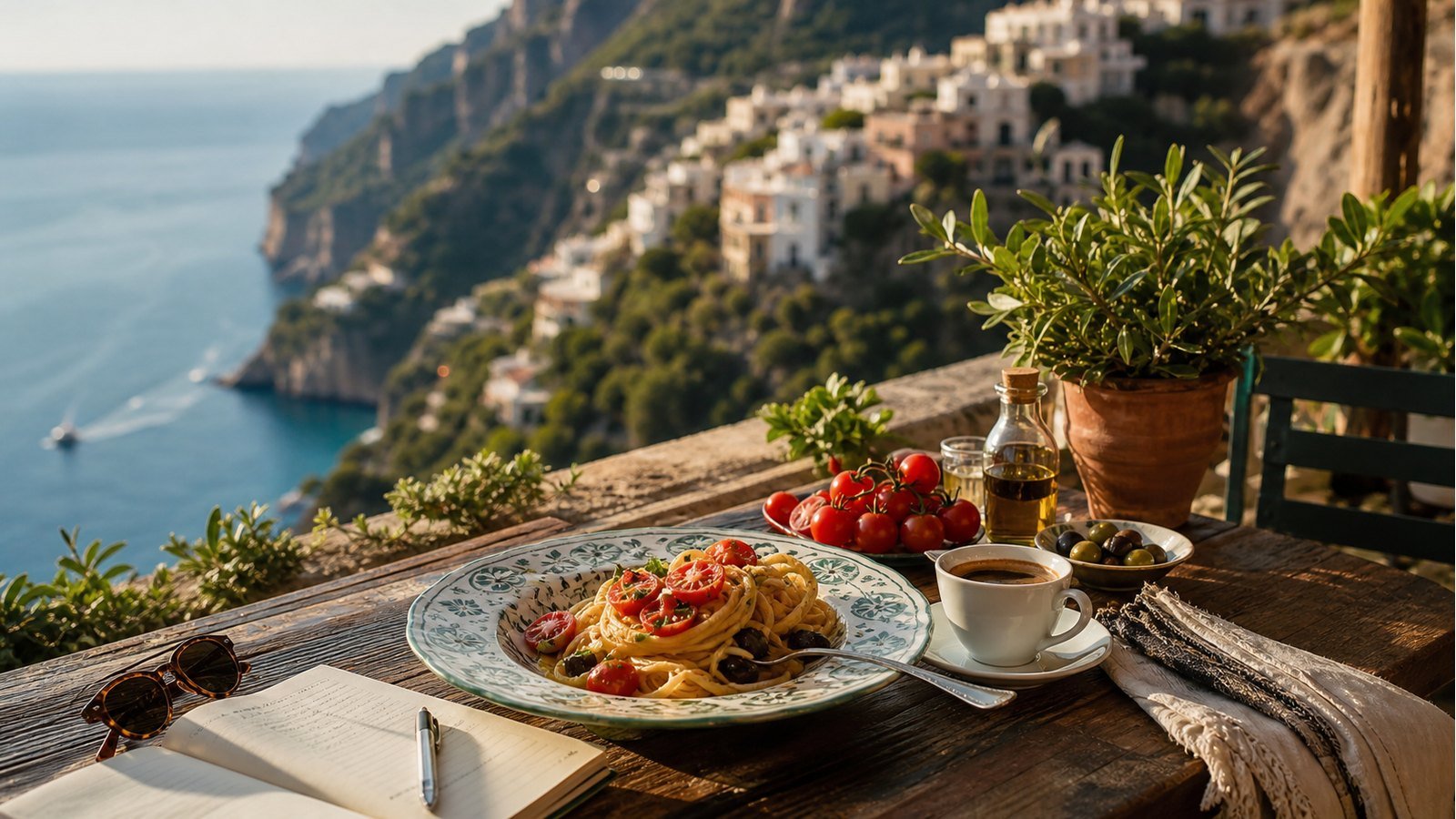
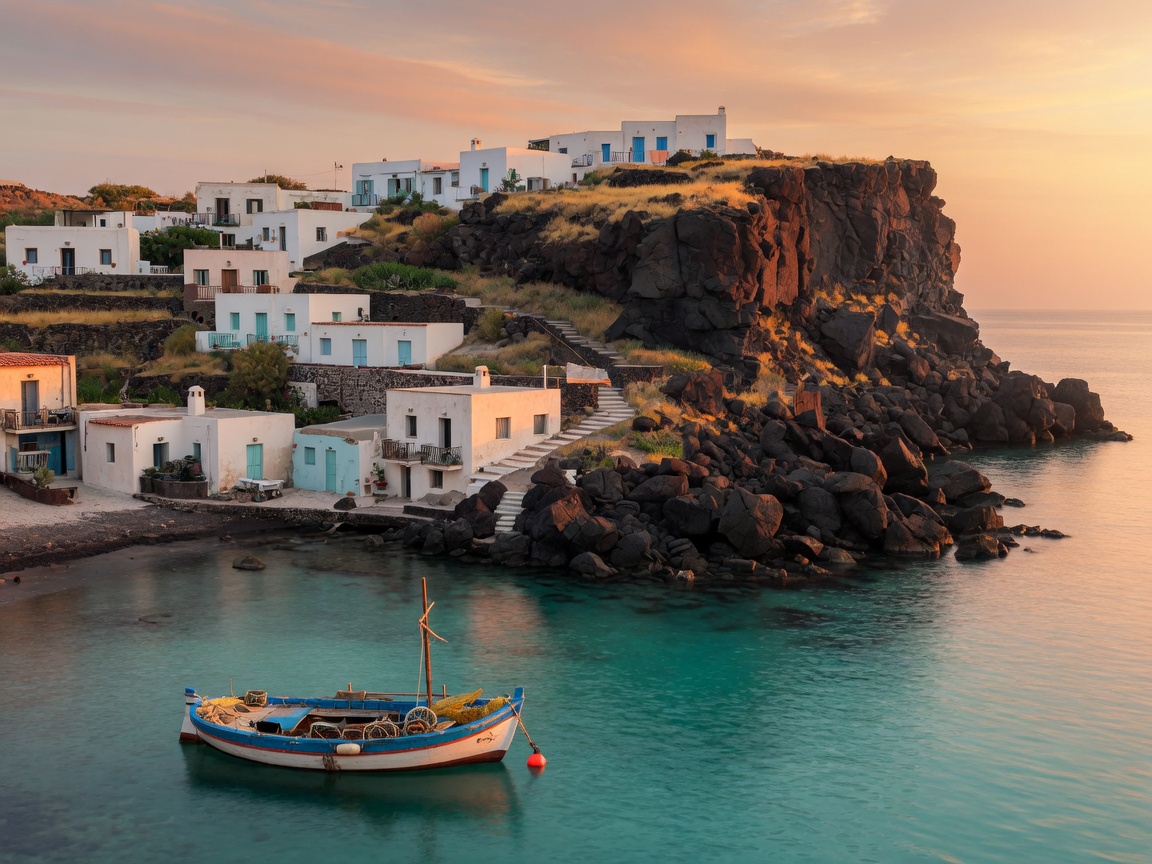
As August crowds thin out and the Mediterranean light softens into gold, a clear pattern is emerging in this year’s Italy travel coverage: September belongs to the islands, the coastlines, and the towns that never made it onto everyone’s bucket list. From Lonely Planet Italia to a wave of international roundups, the same names keep surfacing — Salina, Filicudi, Alicudi, Matera, Tropea, Procida — as proof that some of the best Italy destinations are the ones that require a little more effort to reach, and reward that effort tenfold.
The Aeolian Islands Lead the Shoulder-Season Shift
Sicily’s Aeolian archipelago is having a moment, and for good reason. Salina, with its vineyards and capers, Filicudi with its dramatic volcanic coastline, and tiny Alicudi — largely car-free and lit by lanterns after dark — represent everything that late-summer travelers now crave: quieter calette (small coves), unhurried boat trips between islands, and a rhythm of life dictated by the sea rather than a tour schedule.
This isn’t a coincidence. September in the Aeolians means water temperatures still hovering near summer highs, ferry schedules that haven’t yet been slashed for winter, and restaurants serving the last of the season’s swordfish and caponata without the August rush. It’s a textbook case for why Sicily Tuscany Rome coastal towns keep appearing together in shoulder-season guides: each offers a version of the same promise — Mediterranean intensity, minus the crowds.
Hidden Gems Are Replacing the Usual Suspects
Beyond the Aeolians, the broader travel conversation is shifting toward towns that have long lived in the shadow of Italy’s headline destinations. Matera, carved into the tufo stone of Basilicata, is drawing attention not as a novelty stop but as a legitimate multi-day base. Tropea, perched dramatically above the Tyrrhenian Sea in Calabria, and Procida, the pastel-hued island off Naples that was Italy’s Capital of Culture in 2022, are both being framed as smarter alternatives to Capri or the Amalfi Coast at peak season.
Further north and closer to the capital, Polignano a Mare in Puglia continues its rise as a photogenic but still relatively uncrowded stop, while a cluster of towns near Rome are getting fresh attention for exactly the reason travelers want right now: proximity without the pressure. This wave of hidden gems Italy coverage isn’t about obscurity for its own sake — it’s about finding places where the food, the coastline, and the pace of daily life haven’t been reshaped entirely by tourism.
- Sperlonga — whitewashed alleys above turquoise water, roughly 90 minutes from Rome
- Gaeta — a working port town with excellent seafood and a striking medieval quarter
- Santa Marinella and Ladispoli — easy train-accessible beach towns north of the city
- Anzio and Terracina — historic coastal stops blending Roman ruins with beach life
Regional Itineraries Built Around Sea and Food
What ties all of this together is a broader move toward regional travel — shorter, more focused trips built around a coastline, a cuisine, and a manageable radius rather than a checklist of cities. Tuscany remains a steady anchor for this kind of trip, offering inland food-and-wine routes that pair naturally with a few coastal days in the Maremma. Sicily, meanwhile, is increasingly positioned not just as a single destination but as a base for island-hopping — Palermo or Catania as arrival points, with the Aeolians, the Egadi, or Pantelleria as extensions.
Rome, too, is being reframed less as a city-only destination and more as the hub of an entire coastal region. The Lazio coast from Ladispoli down to Terracina offers exactly the kind of short-haul, high-reward itinerary that September travelers are increasingly seeking — a way to combine a few days of urban energy with several more of slower, sea-facing life.
What This Means for Travelers Planning Ahead
The implication is straightforward: September has quietly become one of the smartest windows for experiencing Italy at its best, not its most crowded. Weather remains reliable, prices soften as high season ends, and the destinations getting the most attention right now — from Alicudi’s lantern-lit lanes to Tropea’s cliffside views — are precisely the places where authentic food culture and unhurried travel still coexist.
Key takeaway: If summer 2026 planning starts now, the smartest move is to look past the postcard hotspots. Whether it’s a boat between Aeolian islands, a seafood lunch in Gaeta, or a slow week between Tuscan hills and coast, Italy’s late-summer season is rewarding those willing to trade the familiar for the quietly spectacular.