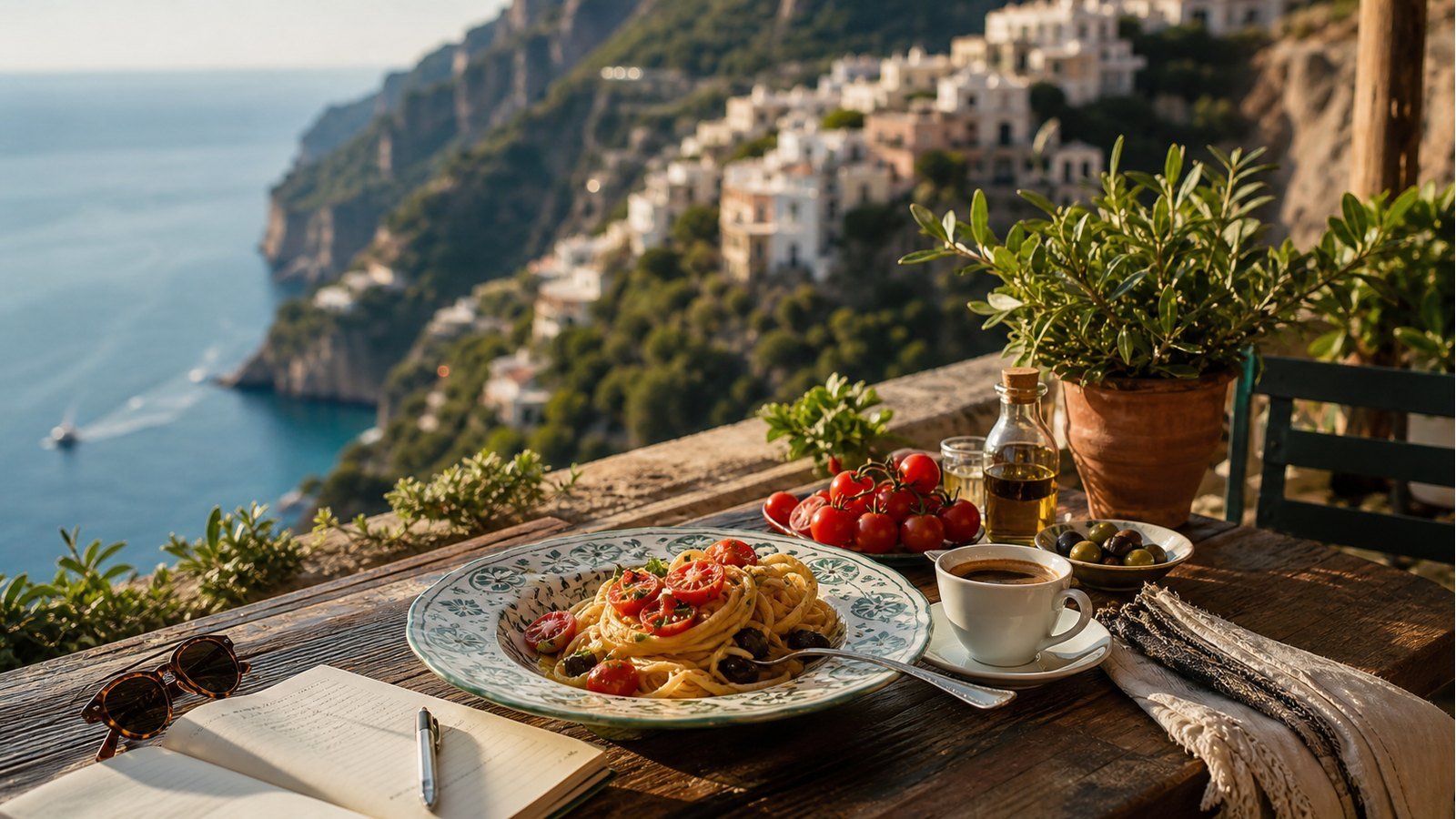
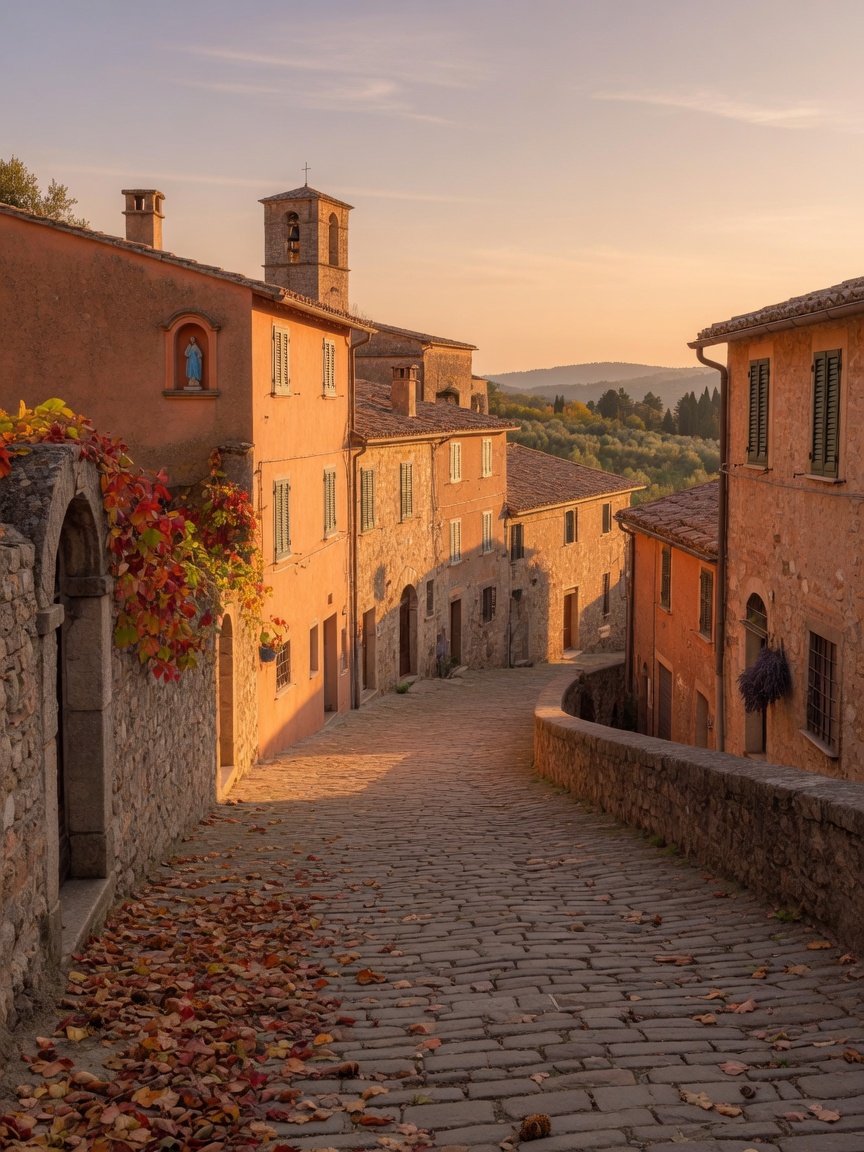
For years, autumn in Italy meant one thing: slightly cooler versions of the same summer crowds in Rome, Florence, and Venice. That script is being rewritten. This season’s travel coverage points firmly toward regional Italy — walled towns, coastal borghi, and inland villages that offer the scenery, food, and slower pace travelers increasingly crave without the queues. From Lucca’s bicycle-friendly ramparts to Ragusa’s baroque stone staircases, October has become the month when Italy’s quieter corners finally get their due.
The Rise of Shoulder-Season Regional Travel
Recent guides from Repubblica Travel, Visit Italy, and idealista converge on a clear pattern: travelers are trading peak-summer hotspots for regional travel destinations that deliver comparable beauty with a fraction of the foot traffic. Lucca, Grado, Courmayeur, Merano, Ragusa, and Rome itself (visited differently, in its quieter autumn rhythm) are recurring names in this year’s October recommendations.
This isn’t just about avoiding crowds — it’s about timing travel to match Italy at its best. Autumn light flatters Tuscan hills, sea temperatures off Sardinia and the Sicilian coast remain swimmable well into October, and mountain towns like Courmayeur and Merano shift into crisp, golden wellness-retreat mode before ski season begins. The result is a more immersive, less transactional way to experience Italy destinations that were often rushed through in July and August.
Hidden Villages Are Having a Moment
Perhaps the most telling shift is the growing spotlight on borghi most international travelers have never heard of. Canale di Tenno in Trentino, Orvinio in Lazio, Mombaldone in Piedmont, and Soncino in Lombardy are gaining real visibility in travel coverage — a signal that hidden gems Italy searches are translating into actual itinerary planning, not just aspirational browsing.
These villages share common traits: medieval stone cores, populations often under a few thousand, and a strong connection to local food traditions that larger cities have diluted through mass tourism. Travelers are rewarded with empty piazzas, family-run trattorias still cooking from regional recipe books, and the kind of unhurried hospitality that’s increasingly rare in Instagram-famous destinations.
- Canale di Tenno — a stone-built hamlet above Lake Tenno, officially listed among Italy’s “Borghi più belli”
- Orvinio — a Lazio village known for its chestnut woods and quiet medieval center
- Mombaldone — a fortified Piedmont borgo surrounded by vineyards
- Soncino — a Lombard town built around a 15th-century Sforza castle
Sicily, Tuscany, and the Harvest Season Pull
No autumn conversation about Italy is complete without Sicily. Ragusa, Siracusa and Ortigia, Taormina, Modica, Cefalù, and Palermo continue to anchor the island’s appeal, and the east-coast driving route between them remains one of the most recommended itineraries of the season. The appeal here is layered: baroque architecture in Ragusa and Modica, Greek ruins in Ortigia, and a food scene — chocolate in Modica, seafood in Siracusa — that rewards slow travel over checklist tourism.
Meanwhile, inland Tuscany, Lazio, Emilia-Romagna, and the northern wine regions are drawing travelers for an entirely different reason: the harvest. Mushroom foraging trips, truffle hunts, grape-harvest tours, and autumn sagre (local food festivals) are shaping itineraries built explicitly around what’s in season. This food-led approach to Sicily Tuscany Rome coastal towns travel reflects a broader trend — visitors aren’t just sightseeing, they’re eating their way through a region’s calendar.
What This Means for Travelers
The implication is straightforward: October has become one of the smartest months to visit Italy, provided travelers look beyond the obvious. Booking a week around Lucca and nearby Garfagnana, or pairing Ragusa with Modica and Siracusa, offers a more textured experience than another lap of the Trevi Fountain. Even Rome, approached in autumn with fewer crowds and cooler evenings, reveals itself differently — more walkable, more livable, less performative.
For food and travel planning specifically, aligning trips with harvest festivals in Tuscany and Emilia-Romagna, or coastal towns in Sicily before the sea cools, maximizes both culinary and scenic payoff.
Key Takeaway
Italy’s autumn travel moment belongs to the regions, not the headline cities. Whether it’s a borgo like Orvinio, a baroque town like Ragusa, or a harvest sagra in the Tuscan hills, the smartest October itineraries now prioritize depth over ticking off landmarks — and that shift is reshaping how travelers experience the country.