Pompeii has capped its daily visitor numbers, joining Venice in a growing movement across Italy to protect fragile sites from the weight of their own popularity. The move is not an isolated policy tweak — it’s a signal. Italy, long defined by its blockbuster destinations, is quietly rewriting the rules of how travelers experience it, and where they’re being encouraged to look instead.
For anyone planning an Italy trip in the coming year, this shift matters. It’s reshaping itineraries, opening up regional travel routes, and putting lesser-known corners of the country — from Sicilian hill towns to Ligurian fishing villages — firmly on the map.
Overtourism Management Becomes the New Normal
Pompeii’s new daily limits follow a familiar pattern established by Venice, where the day-tripper fee and reservation system have already reshaped how visitors access the historic center. These aren’t temporary crowd-control measures — they represent a structural rethink of how Italy’s most photographed sites can survive their own success.
The logic is straightforward: unmanaged foot traffic accelerates wear on frescoes, mosaics, and stonework that took centuries to survive intact. Archaeological officials overseeing Pompeii have framed the caps as essential preservation, not inconvenience. Expect similar measures — timed entry, reservation quotas, seasonal caps — to spread to other heavily trafficked sites, particularly in Florence and along the Amalfi Coast, as Italy positions sustainable tourism as a long-term priority rather than a reactive fix.
For travelers, the practical takeaway is simple: book ahead, expect timed slots at major sites, and build flexibility into your itinerary. Spontaneity at Italy’s top attractions is becoming a thing of the past.
Regional Travel and Hidden Gems Take Center Stage
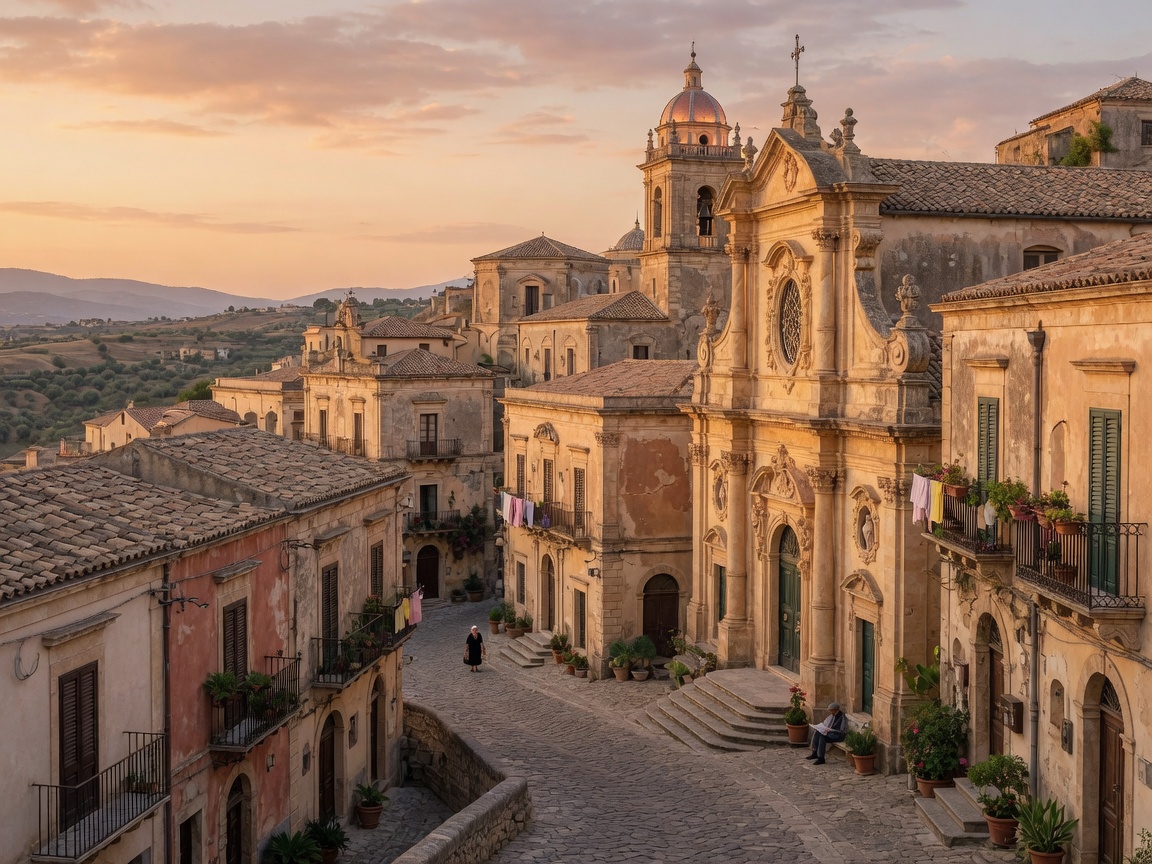
As pressure mounts on marquee destinations, Italy’s regional travel scene is having a moment. Sicily is proving especially compelling right now — the reopening of an ancient Roman villa near Scala dei Turchi has renewed interest in the island’s archaeological depth, while towns like Bagheria, just outside Palermo, are drawing attention for their Baroque villas and slower, less-scripted pace.
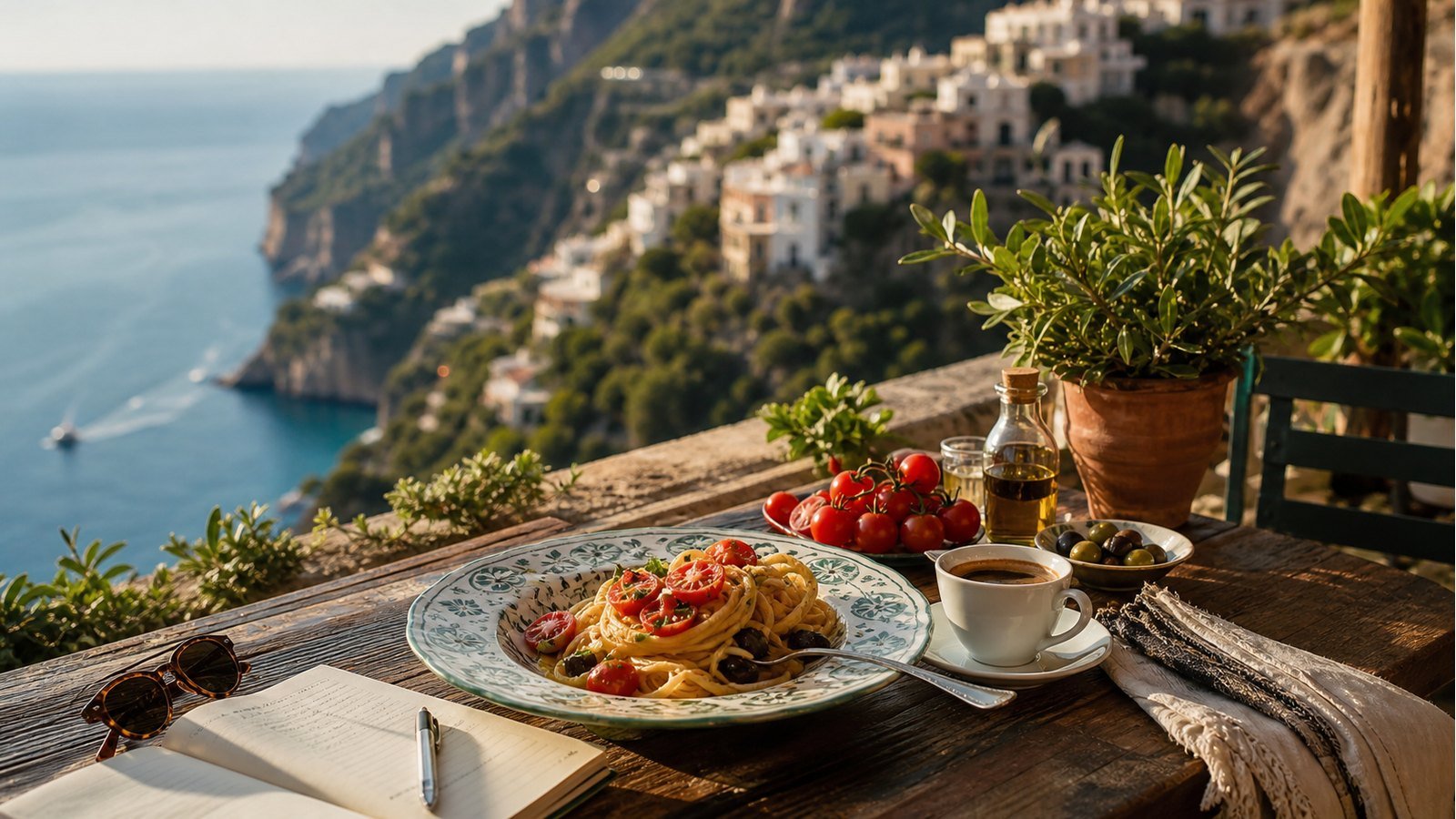
Elsewhere, the appeal of hidden gems Italy has to offer is expanding well beyond Sicily. Liguria’s smaller villages — quieter cousins to the Cinque Terre crowds — offer the same pastel-cliffside charm with a fraction of the foot traffic. In Abruzzo, the small hill town of Aielli has become a magnet for travelers seeking authentic inland Italy, known for its open-air mural project and rugged Apennine backdrop.
- Sicily: Baroque towns, coastal archaeology, and renewed access to Roman-era sites near Scala dei Turchi.
- Liguria: Under-the-radar villages offering coastal beauty without Cinque Terre-level crowds.
- Abruzzo: Aielli and other mountain towns delivering authentic, low-tourism inland experiences.
- Sicily and Tuscany: Both regions continue to anchor Italy’s culinary and cultural draw, even as travelers push into their quieter corners.
This diversification isn’t just a traveler preference — it’s increasingly the point of Italy’s tourism strategy. Spreading visitor volume across regions eases pressure on Rome, Venice, and Florence while giving smaller economies a meaningful tourism dividend.
Better Transport Links Are Making It Easier
None of this regional shift would matter much without the infrastructure to support it. The new direct high-speed rail service connecting Fiumicino Airport with Naples and Florence is a quiet but significant development. It means travelers landing in Rome can now bypass the city center entirely and head straight into multi-city Italy itineraries — Naples for Campania and the Amalfi Coast, Florence for Tuscany and beyond — without the logistical friction that once made such routes cumbersome.
This kind of connectivity is exactly what enables the overtourism-easing effect regional destinations need. A traveler who can efficiently reach Sicily, Tuscany, Rome, coastal towns in Liguria, or inland Abruzzo in a single well-planned trip is far more likely to skip a second day in an already-crowded Florence piazza.
What This Means for Travelers
The implications are clear: Italy is no longer just accommodating tourism — it’s actively curating it. Visitor caps at Pompeii and Venice will likely expand to other sites. Regional destinations are being positioned, deliberately, as worthy alternatives rather than mere overflow valves. And improved transport means seeing more of the country has never been logistically easier.
For food and travel lovers, this is good news. It rewards curiosity — the willingness to trade a crowded Colosseum queue for a quiet Sicilian trattoria, or a packed Venetian bridge for a Ligurian harbor at sunset.
Key takeaway: Italy’s overtourism response isn’t about limiting travel — it’s about redistributing it. The smartest trips now look outward, toward Bagheria, Aielli, and Liguria’s quieter shores, using Italy’s improving rail links to build richer, less crowded journeys across Sicily, Tuscany, Rome, and the coastal towns in between.