Italy’s late-summer season is in full swing, and this year the story isn’t just where travelers want to go — it’s how they’ll get there. From Rome to Sicily, Tuscany to the Amalfi Coast, demand for classic Italy destinations is intense, but a wave of rail maintenance on major corridors, including Florence-Rome and Milan-Bologna, is quietly reshaping itineraries across the country. For anyone planning a summer trip, understanding this shift matters as much as picking the right beach town.
The Rail Reality Behind This Year’s Italian Summer
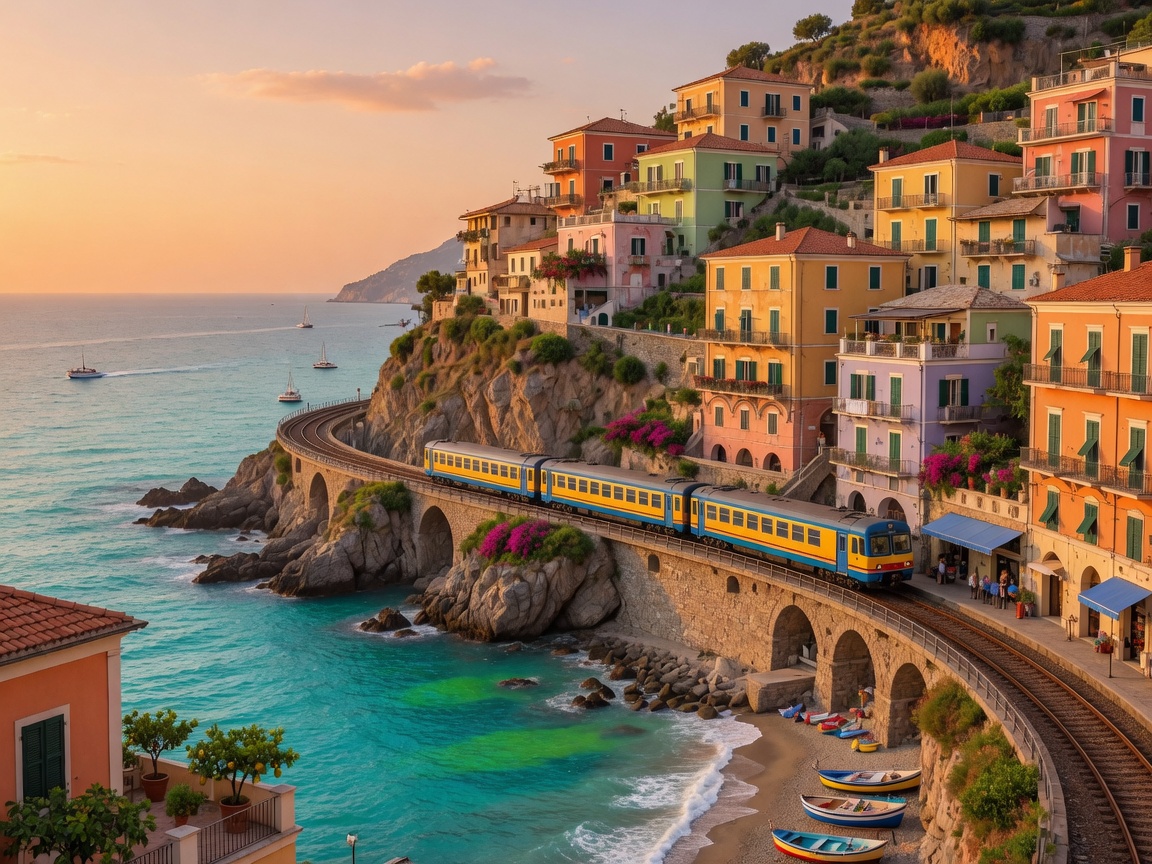
Trenitalia has confirmed that August maintenance work is slowing several key lines, with delays, diversions and longer journey times affecting travelers moving between major hubs. The Florence-Rome route — one of Italy’s busiest and most symbolic rail corridors — is among the most affected, a detail that matters enormously for anyone stitching together a multi-city Tuscany-to-Rome trip this month.
This is where regional travel planning becomes essential rather than optional. Travelers accustomed to seamless high-speed connections should build in buffer time, check updated schedules before departure, and consider whether a regional train, a slower but scenic route, or even a short domestic flight might now make more sense for certain legs of a journey. The takeaway isn’t to avoid these routes — it’s to plan around them deliberately.
Where the Crowds (and the Charm) Are Concentrated
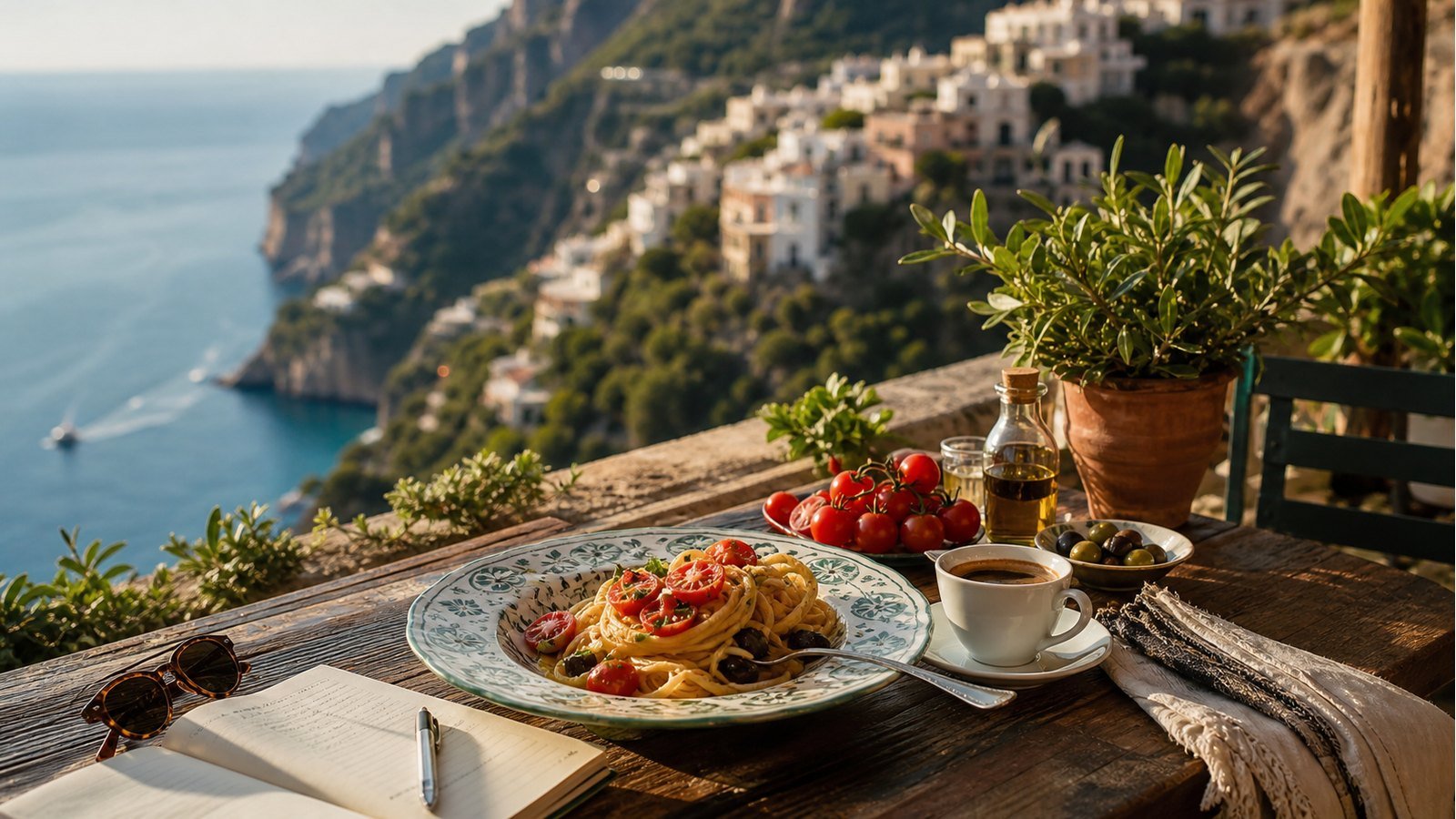
Demand data paints a clear picture: this summer’s travelers are gravitating toward a familiar cluster of Sicily Tuscany Rome coastal towns, alongside strong interest in Calabria, Sardinia, the Amalfi Coast and the Dolomites. Rome and Lazio remain a gravitational center, but coastal Italy is arguably the season’s real star.
Trenitalia’s summer network is actively highlighting easier access to a set of seaside and cultural destinations that deserve attention beyond the obvious names:
- Tropea and Diamante — Calabrian coastal towns known for dramatic cliffs and turquoise water
- Paestum — ancient Greek temples paired with quiet southern beaches
- Polignano a Mare — the Adriatic cliffside town beloved for its dramatic setting
- Orbetello — a lagoon town linking Tuscany’s coast to the Maremma
- Monterosso — the westernmost jewel of the Cinque Terre
- Cattolica, Diano and Taggia Arma — lower-profile Riviera and Adriatic stops worth a detour
These aren’t obscure locations, but their rising visibility signals a broader trend: travelers are willing to venture slightly off the postcard route toward destinations that are easier to reach by rail and less saturated than the headline hotspots.
The Rise of the Second City: Brescia and the Hidden-Gem Effect
Perhaps the most telling development this season is the spotlight on Brescia, recently singled out as offering “everything you’d want from Italy” in a single, walkable city. It’s a meaningful signal for anyone chasing hidden gems Italy has to offer without the crowds of Florence or Venice. Brescia sits in Lombardy, close to Lake Garda, with Roman ruins, a hilltop castle, and a food scene rooted in Bergamo-Brescia culinary traditions — yet it rarely appears on a first-time visitor’s list.
This “second-city” momentum reflects a broader recalibration happening across Italian travel: with rail disruption complicating movement between marquee cities, travelers are increasingly choosing to go deeper into one region rather than racing between five. A regional base — Brescia and Lake Garda, or Orbetello and the southern Tuscan coast — offers both practicality and a more textured, less rushed experience of the country.
What This Means for Your Trip
The implications for late-summer travelers are straightforward. First, verify train schedules directly with Trenitalia before locking in tight connections, especially anything routing through Florence or Bologna. Second, consider anchoring your trip regionally rather than hopping between distant cities — it reduces exposure to disrupted lines and rewards slower, more immersive travel. Third, look beyond the five or six destinations everyone already knows; towns like Diamante, Polignano a Mare and Brescia offer authentic Italian character with considerably less congestion.
Key takeaway: Italy’s classic destinations are as compelling as ever this August, but getting the most from them now requires strategy. Build flexibility into rail-dependent itineraries, lean into regional exploration, and don’t overlook the hidden gems quietly earning their place on Italy’s map.