Italy travel demand is undergoing a quiet but unmistakable transformation. While Rome’s Colosseum and Florence’s Duomo will always draw crowds, the strongest signal in recent travel data points elsewhere: toward regional routes, coastal towns, and destinations that don’t appear on the standard postcard rotation. From Matera’s cave dwellings to Stromboli’s smoking cone, travelers are actively seeking the Italy that exists between and beyond the classic trio of Rome, Venice, and Florence.
The Rise of Hidden Gems Italy Travel
A recent destination roundup identifying 25 adventure and hidden-gem experiences across Italy captures this shift precisely. The list reads like a love letter to the overlooked: Civita di Bagnoregio, the crumbling hilltop town accessible only by footbridge; Procida and Ponza, island retreats quieter than their Capri and Ischia cousins; Trapani’s salt pans in western Sicily, where pink-hued flats have supplied salt since Phoenician times; and Etna’s volcanic vineyards, where lava-enriched soil produces some of Italy’s most distinctive wines.
The Path of the Gods, a dramatic coastal trail above the Amalfi Coast, also features prominently — a reminder that even famous regions still hide their best routes away from the main tourist flow. This is regional travel at its most rewarding: fewer crowds, deeper flavor, and a stronger sense of place.
Coastal Towns and Late-Summer Itineraries
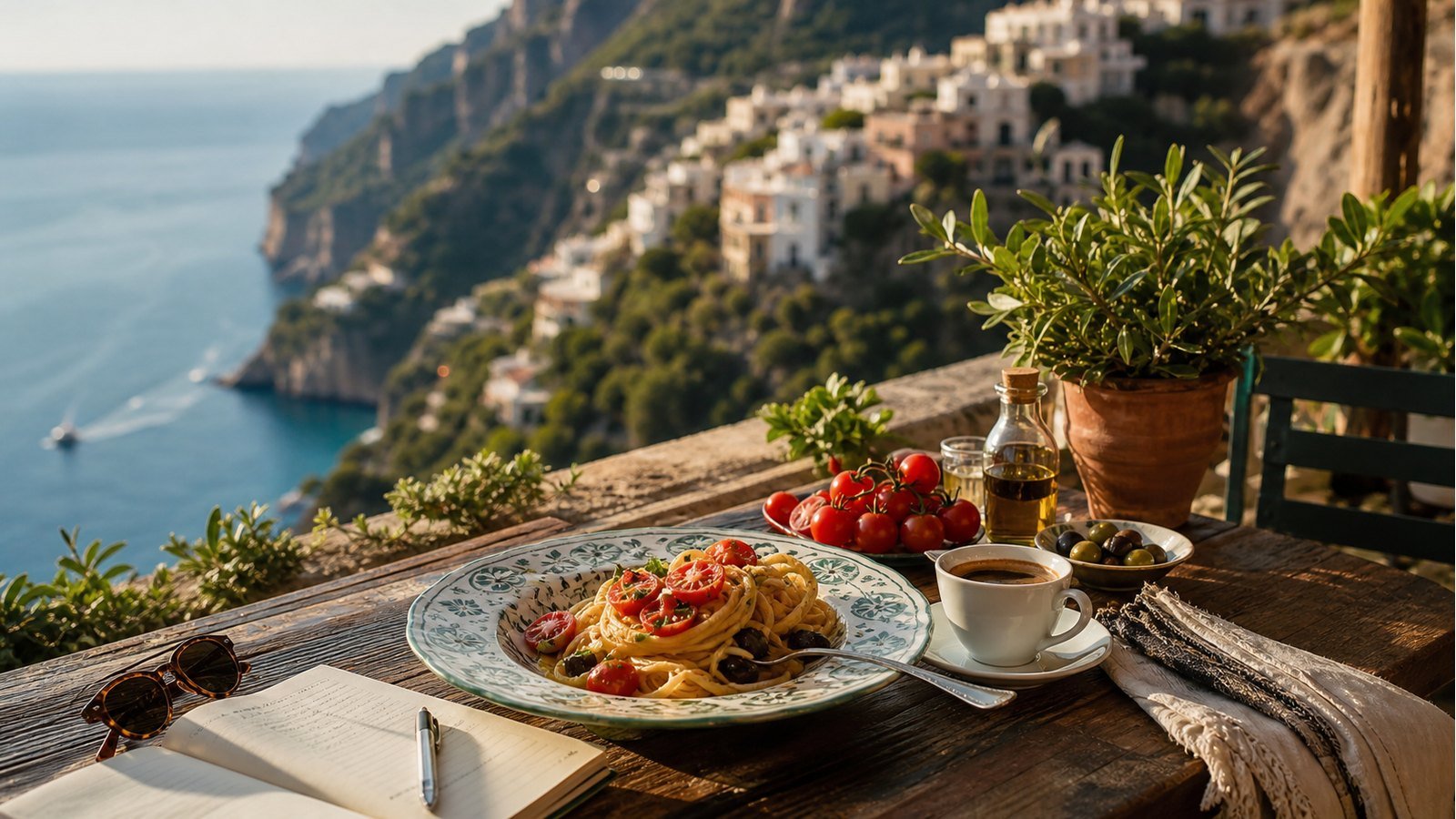
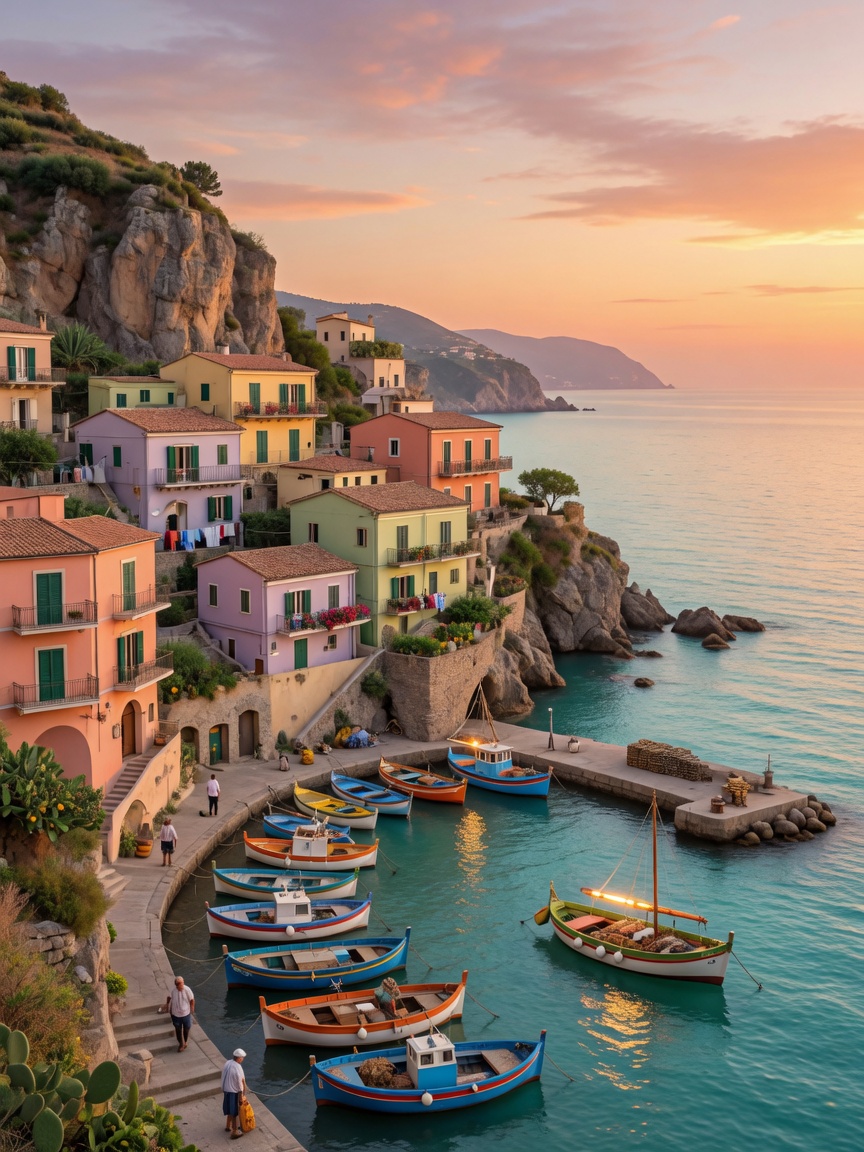
Late-summer booking patterns reinforce the same story. Interest is climbing not just for headline cities but for places like Argentario in southern Tuscany, the Tremiti Islands off Puglia’s coast, Salento and Lecce in Italy’s deep south, Rimini on the Adriatic, and the Calabrian and Campanian coastlines. These coastal towns offer what many travelers now prioritize: swimmable water, unpretentious seafood, and a slower rhythm than Florence’s crowded piazzas.
Sicily deserves particular attention this season. Beyond the volcanic drama of Mount Etna, the island’s cultural calendar is drawing food-focused travelers too — September’s Cous Cous Fest in San Vito Lo Capo celebrates the island’s North African culinary threads with a festival that’s become a genuine draw in its own right. It’s a useful example of how Sicily Tuscany Rome coastal towns each offer a distinct flavor of Italian travel: Sicily’s layered history and volcanic terroir, Tuscany’s rolling countryside and coastal enclaves like Argentario, and Rome’s enduring urban gravity, still unmatched despite the pull of quieter regions.
Navigating Travel Friction: Strikes, Delays, and Volcanic Advisories
This growing appetite for regional exploration comes with real logistical caveats. Rail coverage this season has flagged petty-crime concerns on certain train routes, alongside regional transport strikes that can disrupt travel between smaller towns not served by high-speed rail. Aviation delays have also affected routes connecting to Tuscany and Sardinia, complicating multi-stop itineraries that link islands and coastal regions.
Sicily adds another layer of complexity: Mount Etna’s periodic activity has prompted updated travel advisories and occasional airport disruptions at Catania. None of this should discourage travel to the island — Etna’s eruptions are typically localized and closely monitored — but it does mean travelers heading to hidden-gem destinations should build flexibility into their plans, particularly around transit days and airport connections.
What This Means for Travelers
The practical implication is straightforward: Italy rewards those who plan with a light touch. Booking a few extra days of buffer around transport connections, checking regional strike calendars before finalizing island-hopping routes, and having a backup plan for volcanic or weather-related disruptions can turn a stressful transfer into a minor footnote. For those chasing hidden gems Italy has to offer — Ponza’s cliffs, Matera’s sassi, Trapani’s salt flats — the reward is proportional to the slightly more careful planning required.
The bigger picture is encouraging. Italy’s regional depth means that when Rome feels overrun or Florence’s queues stretch too long, there is always a coastal town, a volcanic vineyard, or a cave-dwelling hill town waiting with fewer crowds and just as much story.
Key takeaway: Italy’s most compelling travel story right now isn’t in its most famous cities — it’s in the coastal towns, volcanic landscapes, and regional routes of Sicily, Puglia, and Tuscany’s quieter corners. Travel there with flexibility, and Italy’s hidden gems will more than repay the effort.