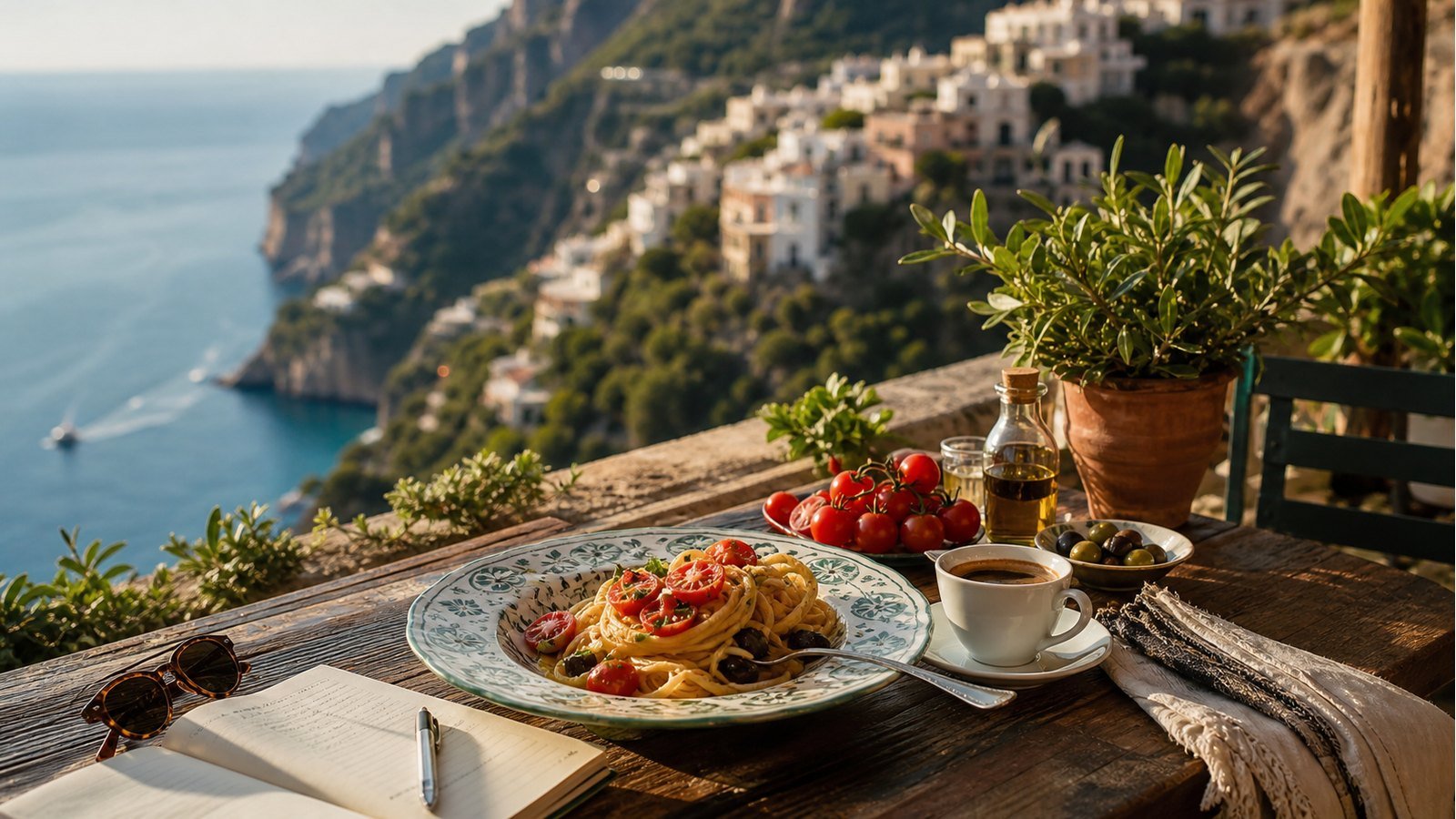
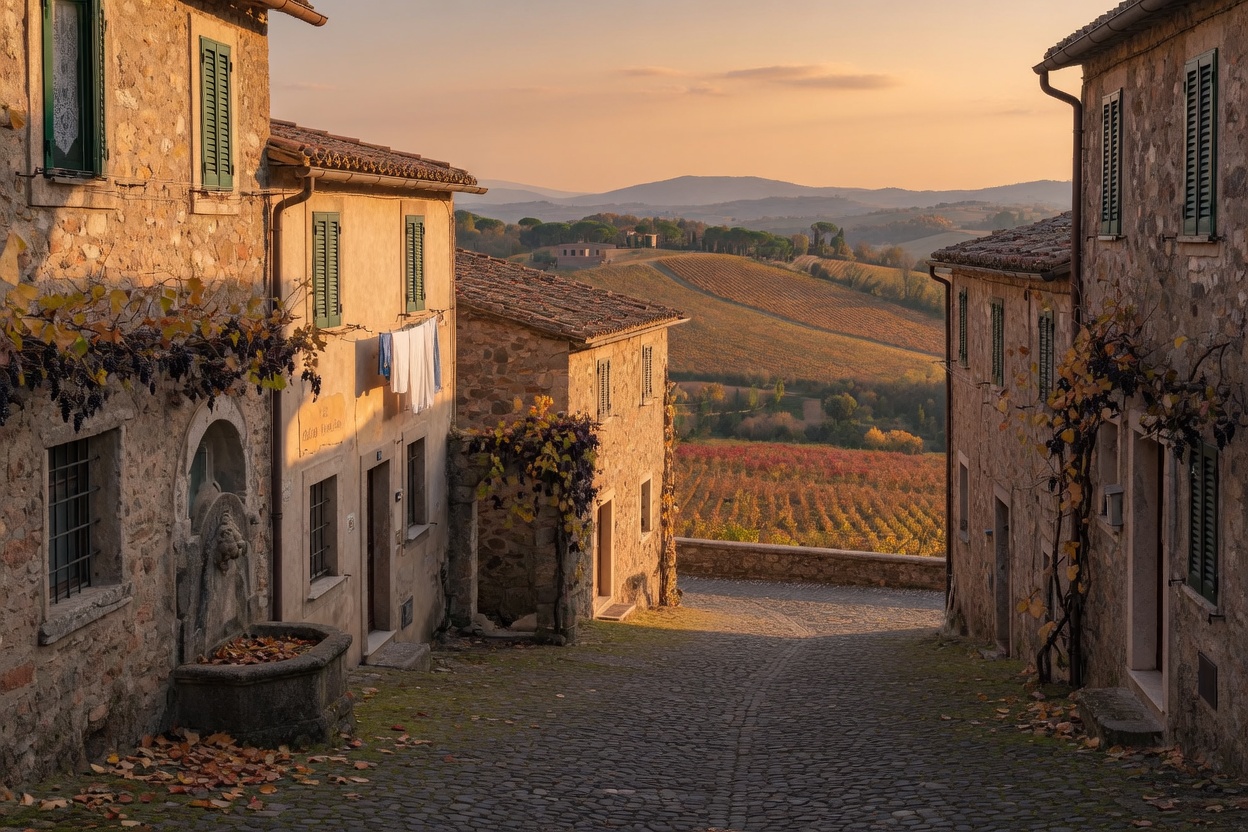
Every autumn, Italy performs a quiet trick: the crowds thin, the light turns gold, and the country’s less obvious corners finally get their moment. This season, that shift is especially visible. A new roundup of Italy’s least-photographed villages has put places like Capranica Prenestina, Boville Ernica, and Orvinio in Lazio, alongside Bovino, Presicce-Acquarica, and Alberona in Puglia and Campania, firmly on the radar for travelers chasing something quieter than the postcard circuit. It’s a trend worth paying attention to if you care about hidden gems Italy travelers rarely mention — and this autumn, the timing could not be better.
Why Lesser-Known Villages Are Having a Moment
Overtourism fatigue has been building for years in Italy’s headline cities, and the response this October is a deliberate pivot toward inland towns that rarely make it past regional guidebooks. Capranica Prenestina, tucked into the Prenestini Mountains east of Rome, offers cool air, chestnut woods, and a medieval core with almost none of the foot traffic found in the capital. Bovino, perched above the Tavoliere plain in Puglia, and Alberona nearby, reward visitors with stone lanes, panoramic views, and a slower rhythm that feels increasingly rare.
What ties these villages together isn’t just obscurity — it’s accessibility. Most sit within a few hours of major hubs like Rome, Bari, or Naples, making them ideal for regional travel built around short drives rather than long transfers. For travelers who’ve already checked off Florence, Venice, and the Amalfi Coast, these are the places where Italy still feels unscripted.
Autumn Food Routes: Where Mushrooms and Truffles Lead the Way
October in Italy is inseparable from its food calendar, and this year’s seasonal buzz centers on mushroom and truffle festivals stretching across Tuscany, Emilia-Romagna, Lazio, and the inland south. These sagre aren’t tourist performances; they’re genuine agricultural traditions, often tied to specific valleys where porcini and white truffles have been harvested for generations.
Tuscany’s hill towns — San Miniato among the best known for its truffle fairs — pair naturally with this moment, offering both the ingredient and the landscape that produced it. Lazio’s inland towns, many overlapping with the newly highlighted “hidden villages,” double as food stops, where a simple plate of tagliatelle al tartufo in a near-empty piazza can feel like the whole point of the trip. For road-trippers, stringing together two or three of these festivals across a week makes for one of the most rewarding ways to experience Italy destinations outside the usual itinerary.
Sicily, Tuscany, and Rome: The Shoulder-Season Advantage
While hidden villages dominate the “undiscovered” conversation, the bigger regional names haven’t disappeared — they’ve just changed character. Rome in October trades July’s heat and crowds for walkable afternoons and shorter lines, making it one of the better times to actually experience the city rather than endure it.
Sicily, meanwhile, continues to assert itself as one of Italy’s strongest autumn regions. Current guidance repeatedly points to Catania, Taormina, Mount Etna, Ortigia, Noto, Modica, and especially Ragusa as standout picks. Ragusa’s baroque architecture, layered old town, and proximity to both coastline and countryside make it a natural anchor for a slower Sicilian itinerary — one that balances culture, food, and landscape without the summer intensity. Together, these Sicily Tuscany Rome coastal towns form a loose but compelling autumn triangle: dramatic scenery, manageable crowds, and food that’s arguably at its best this time of year.
What This Means for Travelers Planning Ahead
The throughline across all of this is clear: Italy’s autumn appeal is increasingly regional and food-driven rather than monument-driven. Travelers willing to combine a lesser-known village with a nearby food festival, or a classic destination visited in its quiet season, are getting a noticeably different — and often richer — experience than peak-summer visitors.
- Pair hidden villages in Lazio or Puglia with a single well-known anchor city for easier logistics.
- Time trips around specific truffle or mushroom sagre rather than general “autumn in Tuscany” dates.
- Consider Ragusa or Modica as a base for exploring eastern Sicily without Taormina’s peak crowds.
Key takeaway: This autumn, Italy’s most rewarding trips aren’t about choosing between famous cities and hidden villages — they’re about combining both, using regional food routes as the connective thread. For travelers planning now, that means fewer crowds, better meals, and a version of Italy that feels genuinely discovered rather than simply visited.