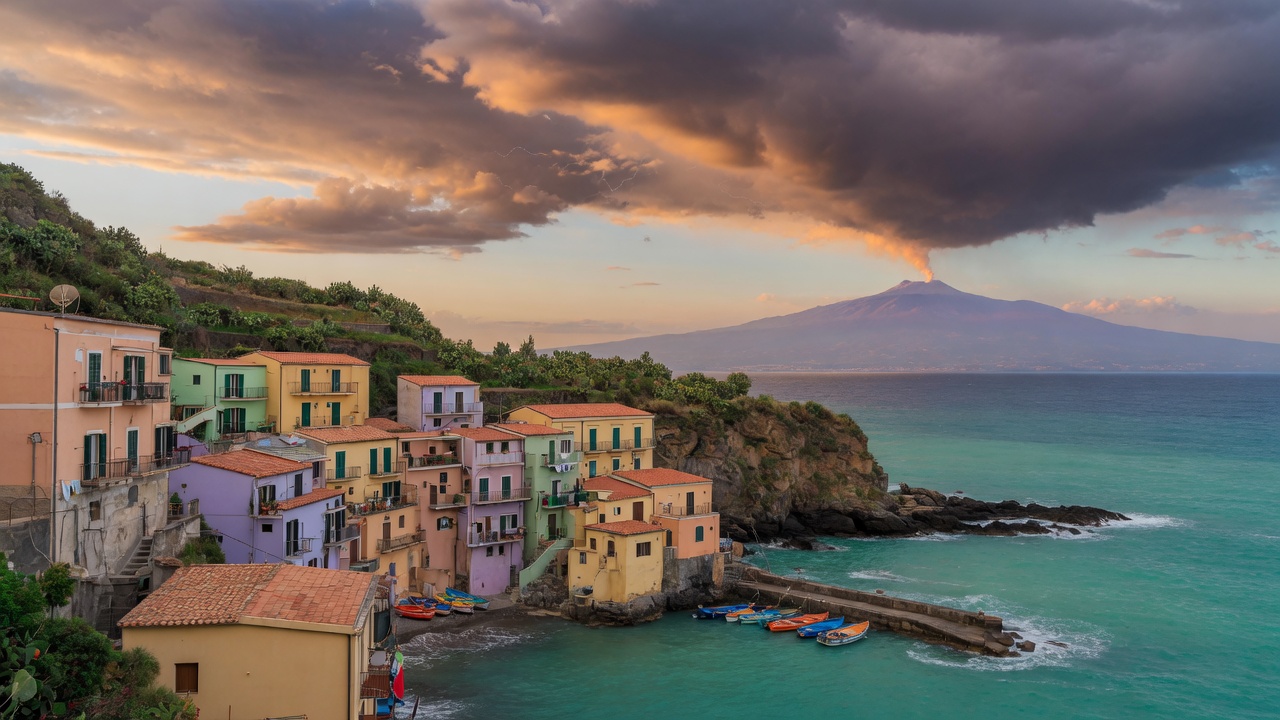
Sicily is having a dramatic week. On October 12, Catania Airport shut its runways again as ash plumes from Mount Etna drifted across flight paths, grounding departures and arrivals for the second time in days. Just hours earlier and a few dozen kilometers west, rare waterspouts and tornadoes tore through Marsala and Petrosino, damaging homes, overturning cars, and stripping roofs from buildings. For anyone planning a Sicily escape this autumn, the message is clear: Italy destinations this beautiful also come with real, sometimes volatile, natural forces attached.
This isn’t meant to scare travelers away from one of the Mediterranean’s most rewarding islands. It’s a reminder that regional travel in southern Italy requires a bit more awareness than a quick glance at a map and a flight booking. Here’s what’s actually happening, and how it should shape your next itinerary.
Etna’s Ash and Sicily’s Fragile Travel Infrastructure
Mount Etna is Europe’s most active volcano, and its eruptions are frequent enough that locals barely blink — but they’re disruptive enough that Catania Airport, one of Sicily’s two major gateways, has closed multiple times this month alone. Ash in the atmosphere is a serious aviation hazard; it can damage jet engines and reduce visibility, so closures aren’t precautionary theater, they’re necessary safety measures.
For travelers building a Sicily itinerary around Taormina, Catania, or the eastern coast, this means building in buffer days. A long weekend with no slack won’t absorb a surprise closure well. Consider:
- Flying into Palermo instead of, or in addition to, Catania, since it sits on the opposite side of the island and is rarely affected by the same ash events
- Adding a flexible fare or travel insurance that covers volcanic disruption
- Checking real-time airport status before heading to the airport, not just the night before
Meanwhile, the storm damage in Marsala and Petrosino — a rare waterspout event for western Sicily — is a separate but related signal. Climate patterns across the Mediterranean are producing more erratic, intense weather, and coastal towns are often the first to feel it.
The Hidden Gems Still Worth Chasing — With Eyes Open
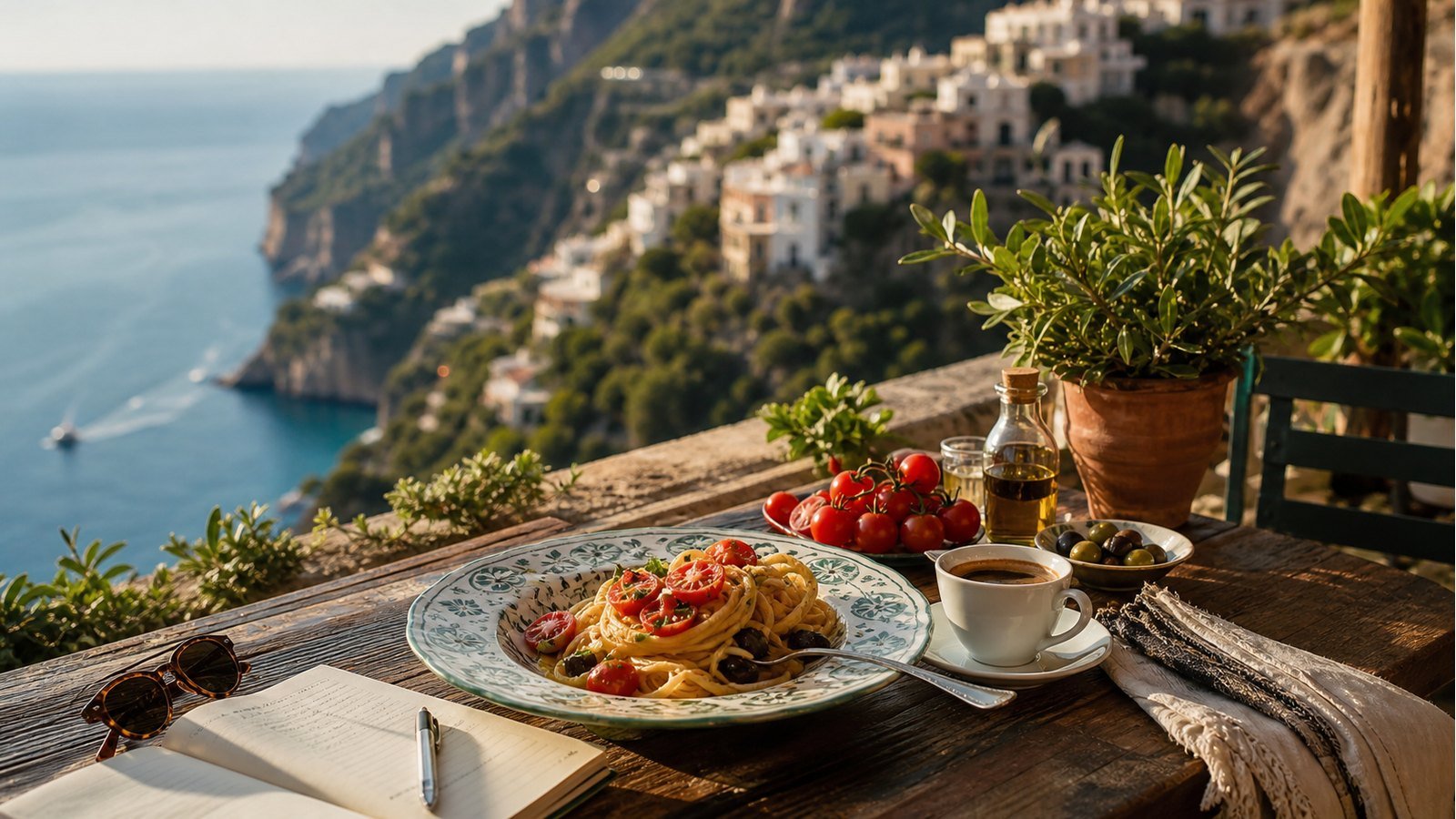
None of this erases why Sicily, and Italy’s lesser-known corners more broadly, remain worth visiting. If anything, the current travel conversation in Italy is leaning harder into hidden gems Italy seekers already love: inland hill towns, quieter coastal villages, and regions that don’t make every listicle.
Cefalù, with its Norman cathedral and golden beach tucked beneath a limestone cliff, continues to draw travelers who want Sicilian coastal charm without Taormina’s crowds. Further north, Ligurian villages along the Cinque Terre corridor and lesser-known hamlets nearby offer the pastel-cliffside aesthetic without the peak-season crush. And Tuscany’s seaside towns — think the Maremma coast rather than the well-trodden Chianti wine routes — are quietly becoming the region’s answer to overtourism fatigue.
What ties these places together isn’t just charm. It’s that they reward travelers willing to slow down, check local conditions, and build flexibility into their plans — exactly the mindset this week’s Sicily disruptions are demanding.
Puglia and the Wider Pattern Across Southern Italy
Sicily isn’t alone. Fresh weather warnings have also touched Puglia this week, reinforcing a broader pattern: southern Italy’s coastal and island regions are experiencing a more turbulent shoulder season than in years past. Puglia’s whitewashed towns like Ostuni and Alberobello’s trulli-dotted countryside remain extraordinary destinations, but travelers heading there in October and November should treat local forecasts as essential reading, not an afterthought.
This matters for anyone comparing Sicily Tuscany Rome coastal towns as options for a Mediterranean getaway. Rome and central Italy are largely insulated from these volcanic and storm-related disruptions, making them a steadier bet for travelers who want fewer logistical wildcards. Sicily and Puglia, by contrast, offer extraordinary rewards — but ask for more planning flexibility in return.
What This Means for Your Next Italy Trip
The practical takeaway isn’t to avoid Sicily or the south. It’s to travel smarter. Build buffer time around flights, especially through Catania. Diversify your itinerary across regions rather than concentrating all your days in one potentially weather-affected area. And keep an eye on both airport status pages and regional meteorological alerts in the weeks leading up to departure.
Key takeaway: Italy’s hidden gems — from Cefalù’s quiet shoreline to Puglia’s whitewashed villages — remain some of the Mediterranean’s most rewarding destinations. But this week’s Etna ash closures and Sicilian storm damage are a timely reminder that regional travel in southern Italy rewards flexibility as much as wanderlust. Plan with both in mind, and the island will give you everything it promises.