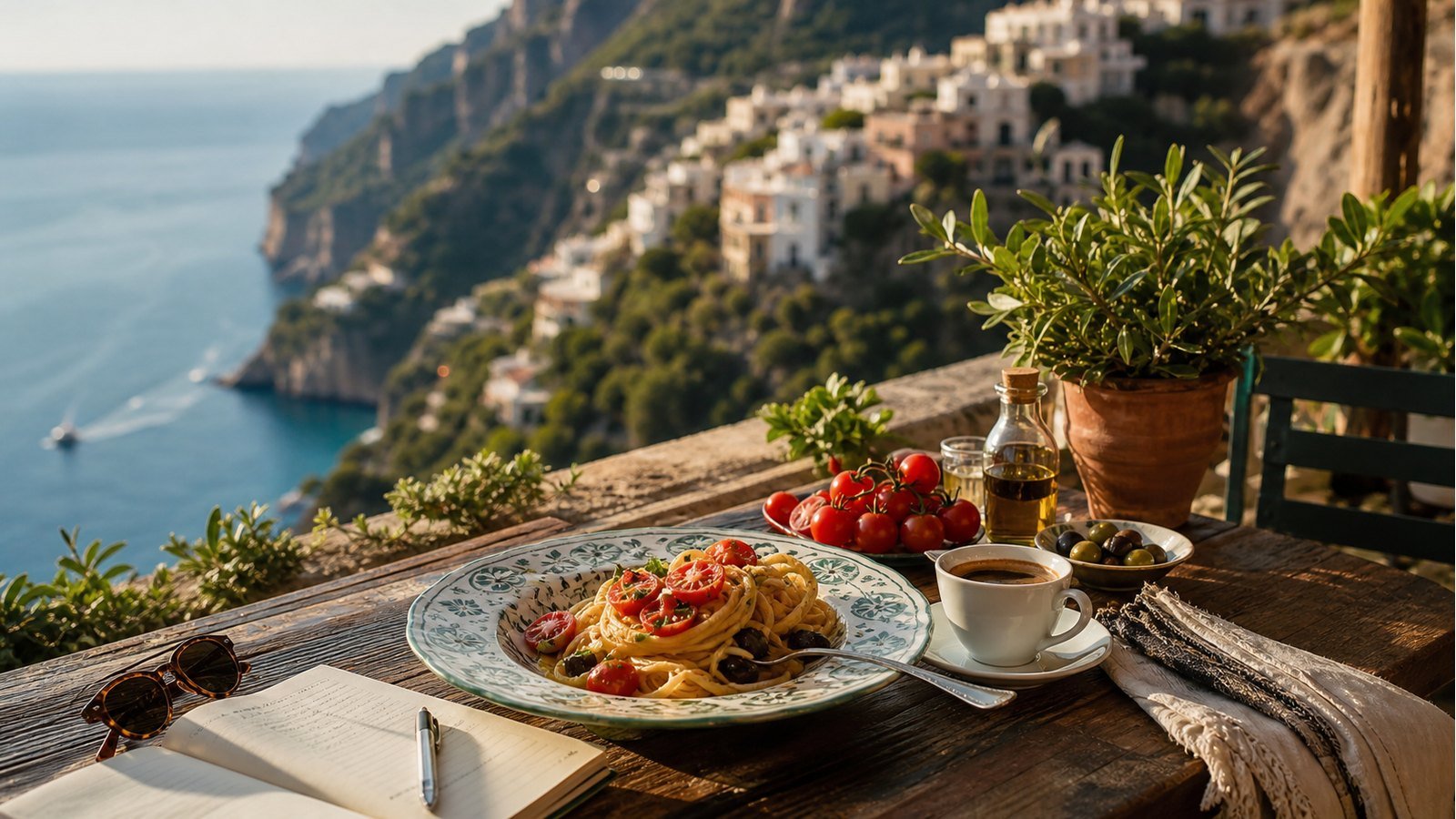
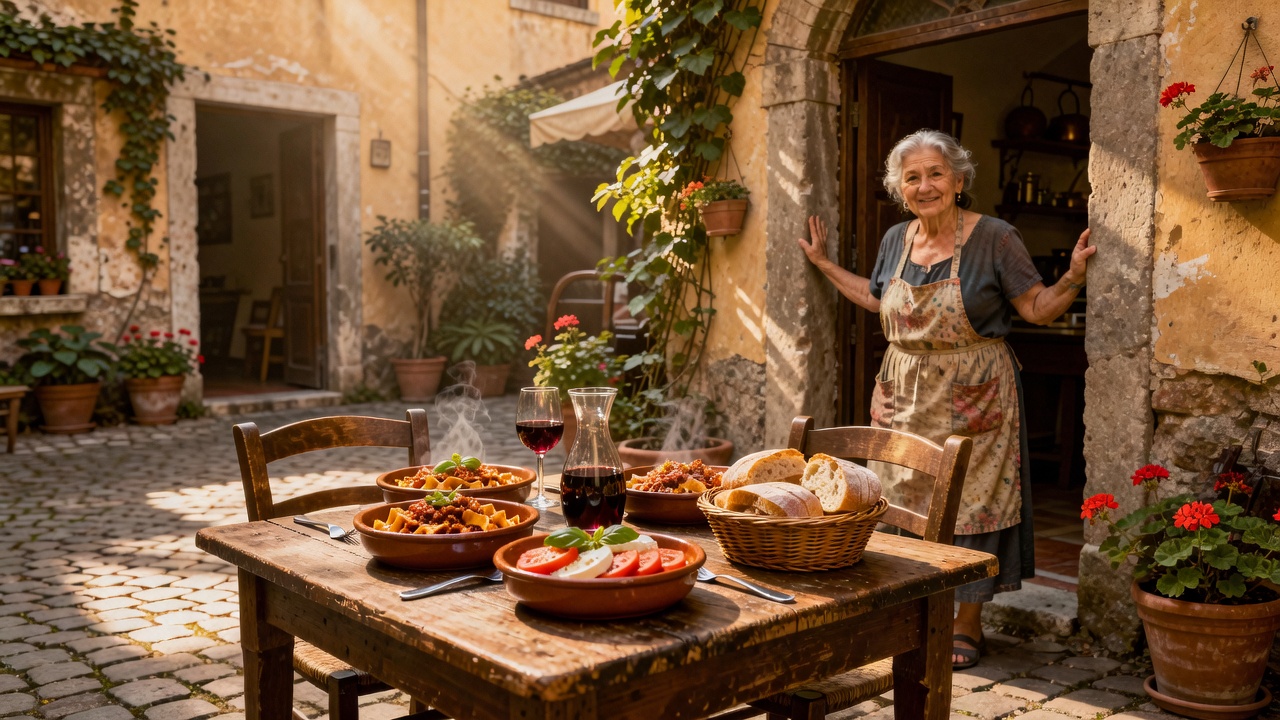
It is official now, and it feels right. UNESCO has recognized Italian cuisine as intangible cultural heritage, extending its protection not to a single dish or a single region, but to the full living tradition of how Italians grow, cook, share, and pass down food. The announcement, reported by Reuters, BBC, and CNN, landed as a milestone — not just for Italy, but for anyone who has ever sat down at a table in a trattoria in Palermo, a farmhouse kitchen in Emilia-Romagna, or a seaside restaurant on the Amalfi Coast and understood, without needing an explanation, that something larger than lunch was happening.
More Than Pizza: A Whole Culinary Identity Protected
The significance of this recognition lies precisely in its scope. UNESCO is not singling out pizza, espresso, or pasta — all of which have their own devoted followings and their own ongoing debates about authenticity. Instead, the honor applies to the broader traditions and practices of Italian cooking: the communal culture of the table, the transmission of recipes across generations, the relationship between territory and ingredient, and the rhythms of seasonal and regional eating that have shaped life on the peninsula for centuries.
The Italian government framed the decision in terms of identity, labor, and national prosperity — a statement that cuisine is not decoration but foundation. That framing matters. It positions food culture Mediterranean-style, rooted in place and community, as something worth defending with the same seriousness as a cathedral or an archive. It also gives institutional weight to what many cooks, producers, and travelers have long argued: that the way Italians eat is itself a form of knowledge.
The Fight Against “Italian-Sounding” and the Value of the Real Thing
One of the practical dimensions of this recognition is its connection to a longer campaign against imitation. The Italian government has spent years pushing back against “Italian-sounding” products — foods sold globally under names and imagery that evoke Italy without any genuine connection to Italian ingredients, methods, or geography. Think of the parmesan wheels produced in Wisconsin, the prosecco-style wines bottled in Australia, or the countless pasta sauces bearing Italian flags on supermarket shelves from São Paulo to Seoul.
UNESCO heritage status does not automatically create new legal barriers, but it reinforces the cultural and reputational argument that authenticity in regional food Italy is not a marketing claim — it is a documented, protected heritage. For producers of DOP and IGP products, for small-scale cheesemakers in the Apennines, for the fishermen supplying a family-run restaurant on the Venetian lagoon, the recognition adds a layer of legitimacy that has real commercial and cultural value.
What This Means for Culinary Travel in Italy
For those of us who travel with appetite — who plan itineraries around a specific market, a particular wine producer, a restaurant that has been in the same family for four generations — this development is likely to sharpen and amplify something already underway. Culinary travel to Italy has been growing steadily, driven by travelers who want experience over spectacle, who prefer a cooking class in a Sicilian home kitchen to another lap around the Colosseum.
UNESCO recognition will accelerate that interest. It gives cultural travelers a new framework for understanding why restaurants rooted in local tradition matter, why the differences between a ribollita in Florence and a minestrone in Genoa are worth seeking out, and why eating well in Italy is inseparable from understanding where you are. Expect to see heritage-focused itineraries, regional food festivals, and agritourism experiences gain further momentum in the seasons ahead.
- Regional specificity will become a stronger selling point for destination dining across Italy’s twenty regions.
- Heritage restaurants — those with documented histories and traditional menus — are likely to attract increased attention from international visitors.
- Food and agriculture tourism tied to DOP and IGP products will benefit from the added cultural legitimacy the recognition provides.
The Takeaway
UNESCO does not give this kind of recognition lightly, and Italy did not receive it for having famous food. It received it for having a food culture that is alive, practiced daily, deeply regional, and genuinely communal. That is the thing worth traveling for — not the brand, but the reality behind it. The next time you pull up a chair at a table in Italy and someone brings bread before you have even asked, you are sitting inside a piece of recognized world heritage. Eat accordingly.