Italy has never been a destination that sits still. This summer, the country is making headlines for all the reasons that make it endlessly fascinating — and occasionally complicated. A new eruption on Mount Etna is sending ash plumes over eastern Sicily, Venice is inching closer to becoming the world’s first city with mandatory tourist reservations, and a new high-speed rail link is quietly reshaping how travelers move between Rome, Florence, and Naples. If you’re planning a trip to Italy this season, here’s what you need to know.
Etna Erupts Again — Sicily Remains Open, but Stay Alert
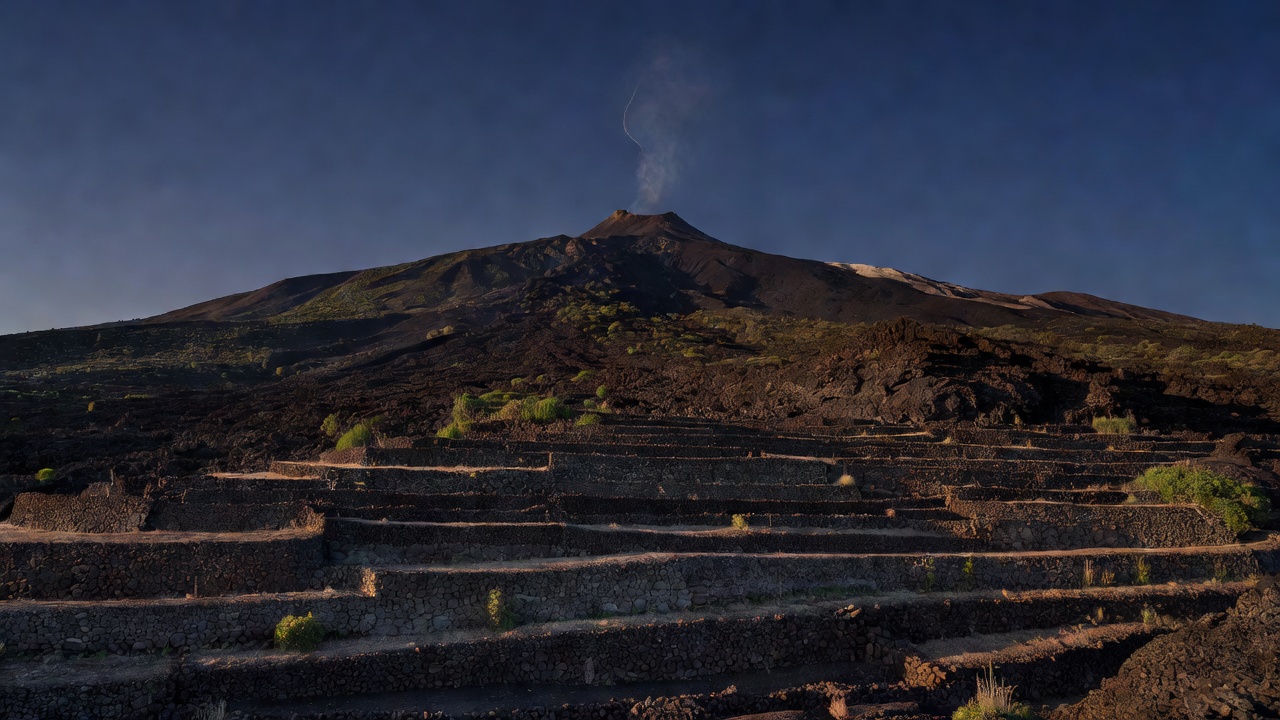
Mount Etna, Europe’s most active volcano and one of Sicily’s most compelling natural landmarks, has erupted once more, sending large plumes of ash into the sky above the island’s eastern flank. According to BBC News, the full scale of the eruption is still being assessed, but disruption to travelers appears minimal so far — no major road closures or flight cancellations have been confirmed at the time of writing.
That said, Sicily travel requires a degree of flexibility right now. Catania’s airport, which sits closest to the volcano, has historically faced ash-related disruptions during significant activity, so travelers flying in or out of eastern Sicily should monitor updates closely. For those already planning a Sicily itinerary, the eruption is a reminder — not a reason to cancel. Etna is, after all, one of the island’s greatest draws, and guided excursions to the crater area operate regularly between active phases.
Palermo, on the island’s western end, is further from the volcanic activity but has seen its own coverage lately following a large-scale anti-organized crime operation. Authorities have emphasized that the city remains safe for visitors, and the operation itself is widely seen as a positive sign for long-term stability in the region.
Venice Moves Toward a New Era of Visitor Management
Venice has long been the poster city for overtourism in Italy destinations, and it is now moving decisively toward a new model. Reports indicate that the city is considering becoming the first in the world to require advance reservations for entry, alongside a formal tourist entry fee for day-trippers. Dynamic pricing — where entry costs fluctuate based on demand, similar to airline tickets — is also reportedly under discussion.
The city already piloted a day-tripper fee in 2024, and the response from local administrators was cautiously positive. The logic is straightforward: Venice’s fragile infrastructure, built on water, simply cannot absorb unlimited foot traffic. For travelers, this means the era of spontaneous day trips to Venice from Verona or Padua may soon require a bit more planning. Booking ahead, however, also opens the door to a calmer, more considered experience of the city — one that rewards those who engage with it on its own terms.
If Venice’s new restrictions push you to explore regional travel alternatives, the Veneto and Friuli-Venezia Giulia regions offer remarkable hidden gems in Italy — Treviso, Asolo, and the wine roads of Conegliano among them — that remain largely free of the crowds.
A New Rail Link and the Case for Multi-City Itineraries
On a more practical note, Rome has gained an improved high-speed rail connection from Fiumicino Airport directly to Naples and Florence. This is genuinely useful news for anyone building a classic Italian itinerary that combines the capital with Tuscany or the south. The ability to step off an international flight and board a fast train toward the Amalfi hinterland or the hills above Florence without navigating central Rome first is a meaningful upgrade.
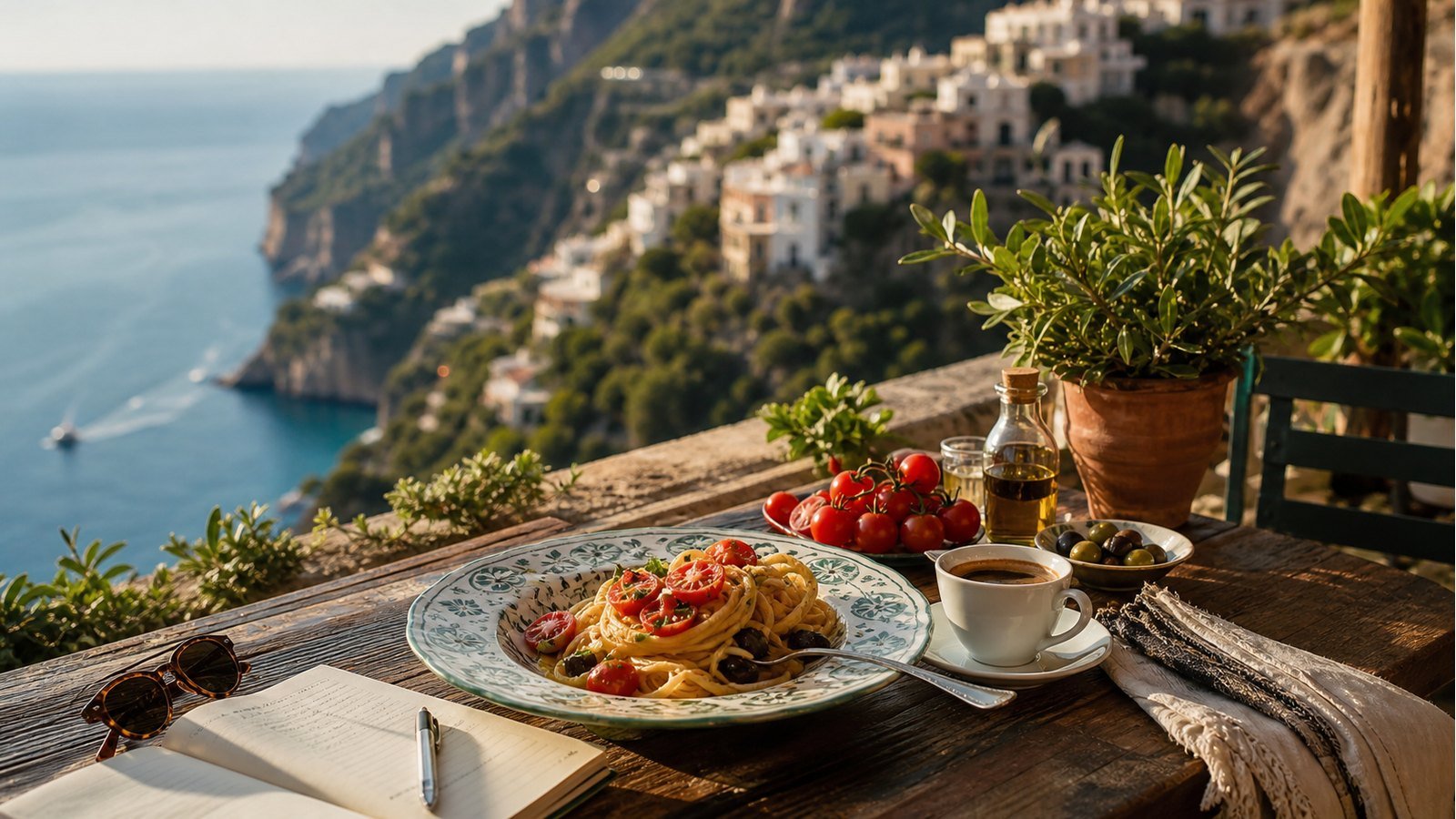
Combined with Italy’s existing Frecciarossa network, this link makes the argument for car-free travel in central and southern Italy stronger than ever. It also makes coastal towns like Positano, Cefalù, and Tropea more accessible as add-ons to a Rome-anchored trip.
One caveat: summer heat across northern and central Italy is severe this year, with red heat alerts issued for Florence and other major cities. Early mornings and late evenings are the time to move; midday is for shade, cold wine, and patience.
The Takeaway for Italy Travelers This Season
Italy in summer 2025 rewards those who plan thoughtfully and remain adaptable. Sicily is worth visiting despite Etna’s activity — perhaps because of it. Venice is evolving, and engaging with that evolution early puts you ahead. The new rail connections make regional travel smoother than it has ever been. And the heat, while real, is manageable if you travel the way Italians do: slowly, deliberately, and always with somewhere cool to sit.