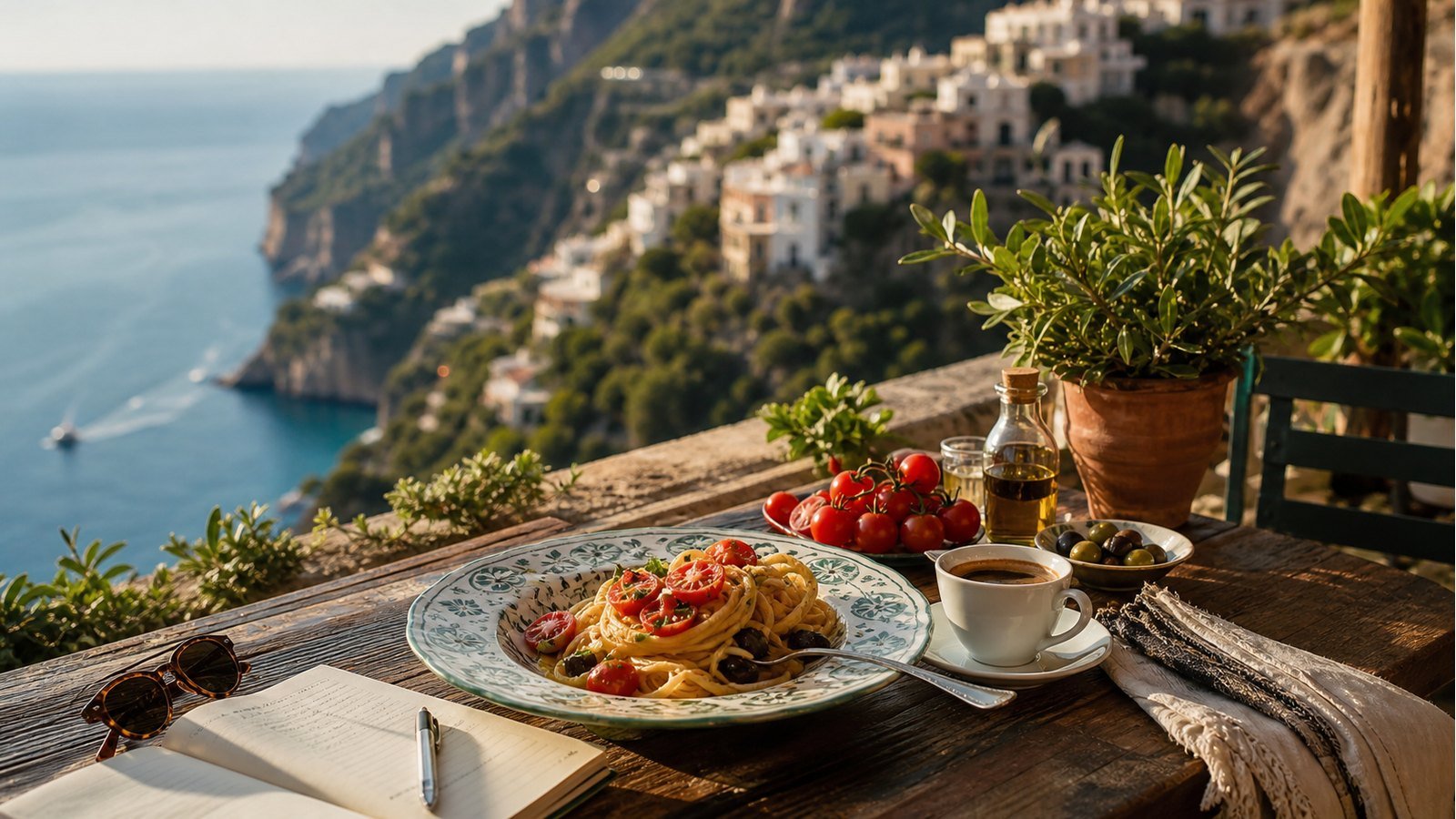
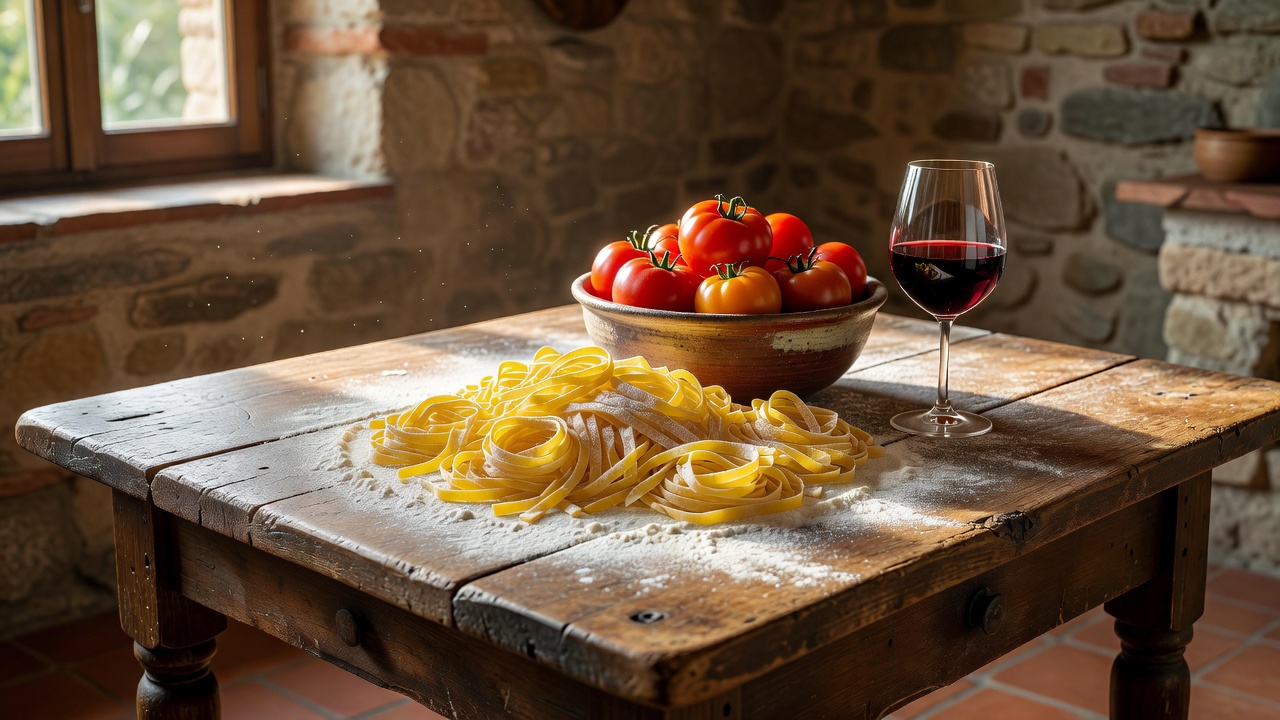
Something significant happened in New Delhi recently, and it deserves more than a passing headline. The UNESCO intergovernmental committee gave a unanimous approval signal to Italy’s candidacy for recognizing Italian cuisine as an intangible cultural heritage of humanity. The final political decision is still expected later in the year, but the unanimous green light from the committee is the clearest sign yet that this bid is going all the way. For anyone who cares about food culture in the Mediterranean — its traditions, its communities, its slow-built knowledge — this is a moment worth pausing on.
What UNESCO Recognition Actually Means for Italian Food Culture
The UNESCO intangible cultural heritage list is not a restaurant guide or a quality seal. It recognizes living traditions — practices, knowledge, and rituals that communities pass down across generations. For Italian cuisine, the candidacy frames the country’s culinary traditions not as a brand or an export category, but as a cultural and community heritage: the Sunday ragu, the bread-making in a Sicilian masseria, the hand-rolling of pasta in an Emilian kitchen.
That framing matters. Italy’s food exports are already among the most valuable in the world, and food tourism is one of the country’s most resilient economic drivers. UNESCO status would amplify both — lending institutional weight to what travelers already feel when they sit down to eat well in Italy. It would also give regional producers, small restaurants, and local food festivals a stronger platform to tell their stories on an international stage.
Events like Venice’s Cooking Cup and Parma’s Cena dei Mille are already drawing visitors who come specifically for the food experience, not just the monuments. Recognition at this level could accelerate that trend considerably, turning culinary travel in Italy from a pleasant side note into a primary destination driver.
The Regional Identity Question No One Can Quite Agree On
Here is where it gets complicated — and interesting. Italian cuisine is not one thing. It is hundreds of local traditions, dialects of flavor, hyper-specific preparations tied to particular valleys, coastlines, and market days. The debate over whether dishes like South Tyrolean canederli — bread dumplings with deep roots in the German-speaking Alpine tradition — belong under a single national culinary heritage label is not a trivial one. It touches on language, history, and the question of who gets to define what counts as authentically Italian.
This tension between regional food heritage and national culinary branding is a live issue in Italian food media right now, and UNESCO recognition will not resolve it — it may actually sharpen it. When a tradition becomes officially recognized, the question of whose version gets represented becomes politically loaded. Producers in Calabria and producers in Trentino do not necessarily share the same culinary story, even if they share a passport.
- Regional specialties like canederli, arrosticini, and pani ca meusa each carry distinct cultural identities that resist easy national labeling.
- Local food festivals and slow food presidia have long operated as the real custodians of these traditions, often independently of national institutions.
- The UNESCO bid’s success may depend on how well it holds this diversity together rather than flattening it.
The Restaurant Landscape Is Moving Too
While the UNESCO story plays out at the institutional level, the on-the-ground restaurant scene in Italy is shifting in its own directions. New openings and brand expansions are making news — from Sophia Loren–themed dining experiences arriving in Florence to Wendy’s planning a multi-location return to the Italian market. These developments sit at an odd angle to the heritage conversation, but they are part of the same picture: Italy’s food culture is simultaneously a living local tradition and a globally legible brand that international operators want a piece of.
The tension is not new, but it is more visible than ever. The same country that is seeking UNESCO protection for its culinary soul is also a market where American fast-food chains see opportunity and where celebrity-branded restaurants can fill a room in one of the world’s most food-literate cities.
What to Watch For
The final UNESCO decision is expected before the end of the year. If it goes through — and the unanimous committee signal suggests it will — the implications for Italian cuisine, food tourism, and Mediterranean food culture more broadly will be worth tracking carefully. The recognition will be a beginning, not an ending: a prompt for Italy to decide, region by region and dish by dish, what it actually wants to protect and how.
For travelers, the practical takeaway is simpler. The food is already there, already extraordinary, already worth the journey. The paperwork is just catching up.