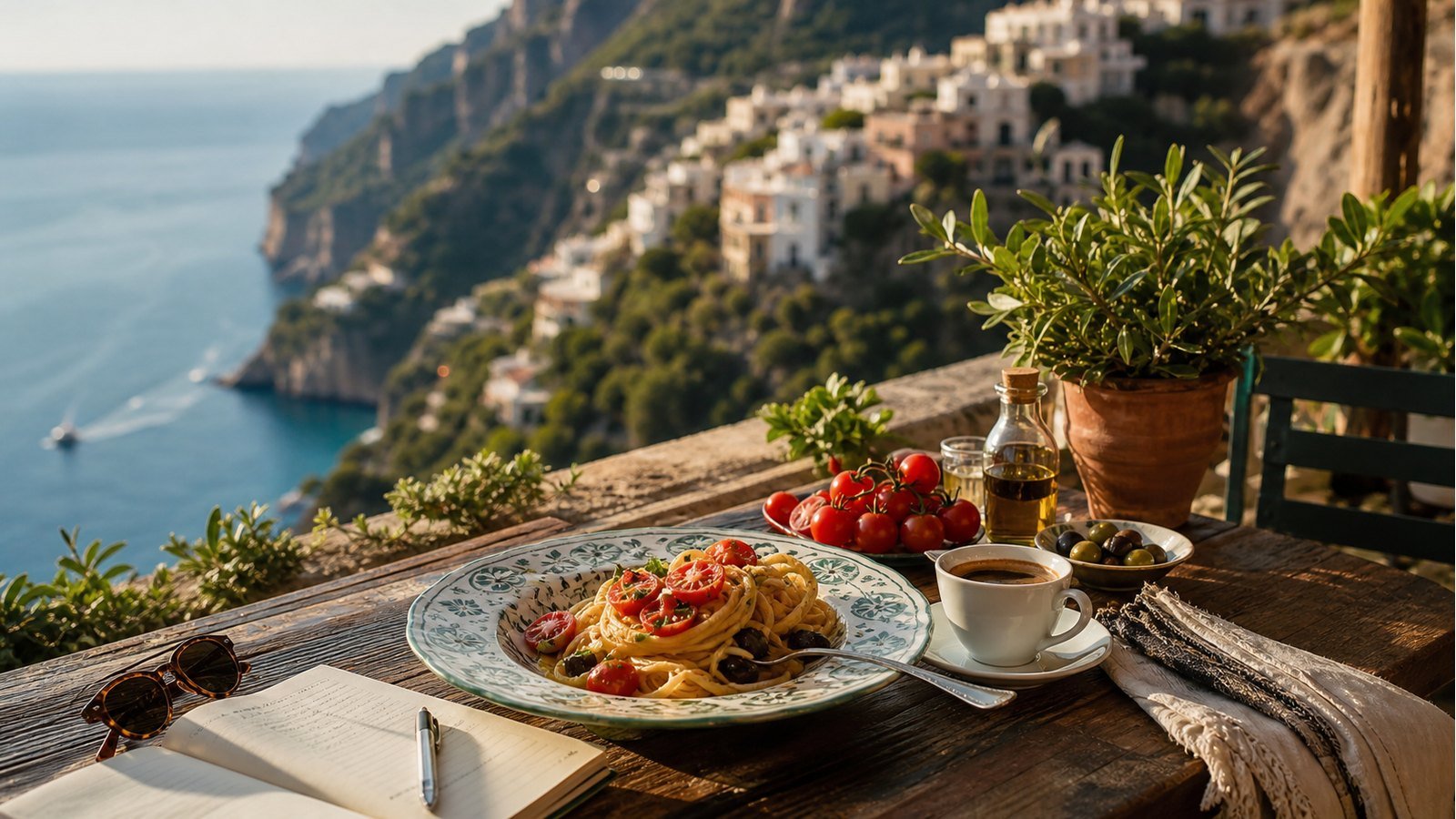
Italy rarely stays quiet for long, and this week is no exception. Mount Etna has erupted again, sending dramatic plumes of ash over eastern Sicily, while Venice and Pompeii continue their battles against overtourism through new pricing schemes and visitor caps. For travelers planning a trip to Italy destinations this year, these developments aren’t just headlines — they’re practical signals about where to go, when, and how to travel smarter across the peninsula’s most iconic and increasingly its secondary regions.
Sicily’s Volcano Moment: Should It Change Your Plans?
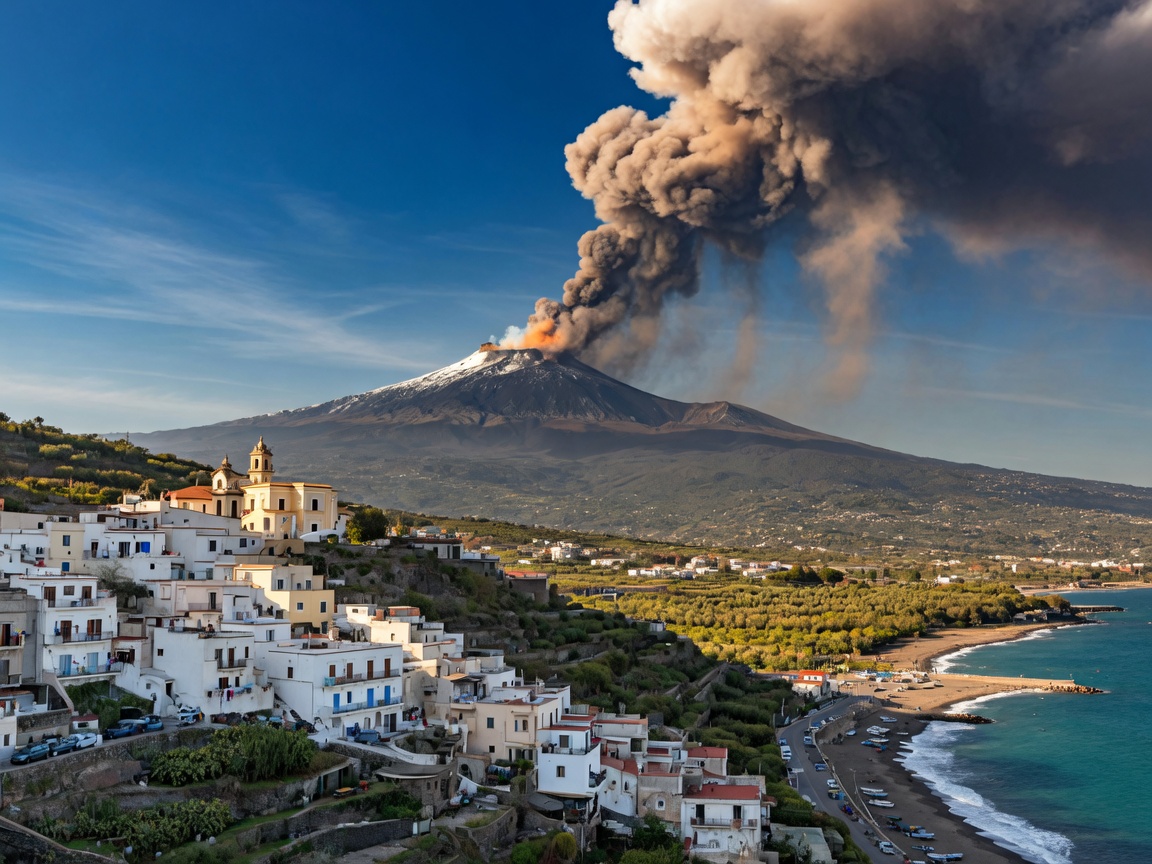
According to BBC News, Etna’s latest eruption has sent large plumes of ash and smoke skyward, drawing global attention to Sicily. So far, reported disruption has been minimal — flights into Catania and day trips around the volcano’s slopes remain largely operational — but the eruption is a reminder that Etna is Europe’s most active volcano, and its moods are part of the region’s identity, not a reason for panic.
For travelers, this is actually an opportunity to think more carefully about regional travel in Sicily. Rather than rushing straight to the crater zone, consider:
- Basing yourself in Taormina or coastal towns like Giardini Naxos, which offer views of Etna without proximity risk.
- Checking real-time volcanic activity updates before booking guided ascents.
- Exploring Sicily’s lesser-known interior — towns like Modica or Noto — as alternatives if eastern coastal access tightens.
Sicily remains one of Italy’s most compelling hidden gems Italy has to offer, blending volcanic drama with Baroque towns, ancient Greek ruins, and a coastline that rivals anything in Tuscany.
Overtourism Fatigue: Venice and Pompeii Draw the Line
While Sicily contends with nature, Rome, Venice, and Pompeii are contending with their own success. ABC News coverage highlights Venice’s renewed push toward a dynamic pricing model for day-trippers — a system designed to spread visitor numbers more evenly and reduce pressure on the lagoon city’s fragile infrastructure. Meanwhile, Pompeii has introduced new daily visitor limits, a direct response to overcrowding that was beginning to compromise both the visitor experience and the preservation of the site itself.
This matters enormously for anyone building an itinerary around Rome, Naples, and coastal Italy. The classic day-trip formula — Rome to Pompeii, or Venice as a quick stopover — is becoming less spontaneous and more logistical. Travelers should now expect:
- Advance booking requirements for major sites, especially Pompeii and Venice’s day-access zones.
- Seasonal price fluctuations tied to demand, particularly around Easter, summer, and Christmas.
- Longer planning windows if visiting during peak periods (April–September).
Rome itself, per continuing ABC News coverage of Vatican-related tourism, remains the undisputed anchor of Italian travel — but its dominance is precisely why cities like Venice are experimenting with structural fixes rather than just crowd management.
The Rise of Regional Italy
Perhaps the most encouraging thread in this news cycle is the quiet momentum building around regional travel beyond the Rome–Florence–Venice triangle. New route and destination coverage pointing to Bari and Lombardy signals growing interest in secondary cities — a trend we’ve long championed at Acerbo Livio. Puglia’s Bari offers whitewashed old towns, orecchiette-making nonnas, and Adriatic coastal towns without Venice-level crowds. Lombardy, often overshadowed by Milan, holds lakeside towns and Alpine foothills worth their own dedicated itinerary.
This shift matters because it distributes tourism’s economic benefits more evenly across Italy while giving travelers richer, less congested experiences — a genuine win for both visitors and host communities.
Implications for Travelers
Taken together, these developments point to a more deliberate way of experiencing Italy. Sicily’s volcanic activity is a natural phenomenon to respect, not fear. Venice and Pompeii’s new policies demand earlier planning. And the rise of regional destinations like Bari and Lombardy offers a genuine alternative to overcrowded classics — proof that Italy’s depth extends far beyond Tuscany and coastal towns already saturated with visitors.
Key Takeaway
Italy’s travel landscape is shifting from reactive crowd control toward proactive destination management, while Sicily reminds us that the country’s beauty is inseparable from its raw, living geology. Smart travelers in 2024 will book ahead, diversify their routes, and treat regions like Puglia and Lombardy not as afterthoughts, but as the next great chapters of Italian discovery.