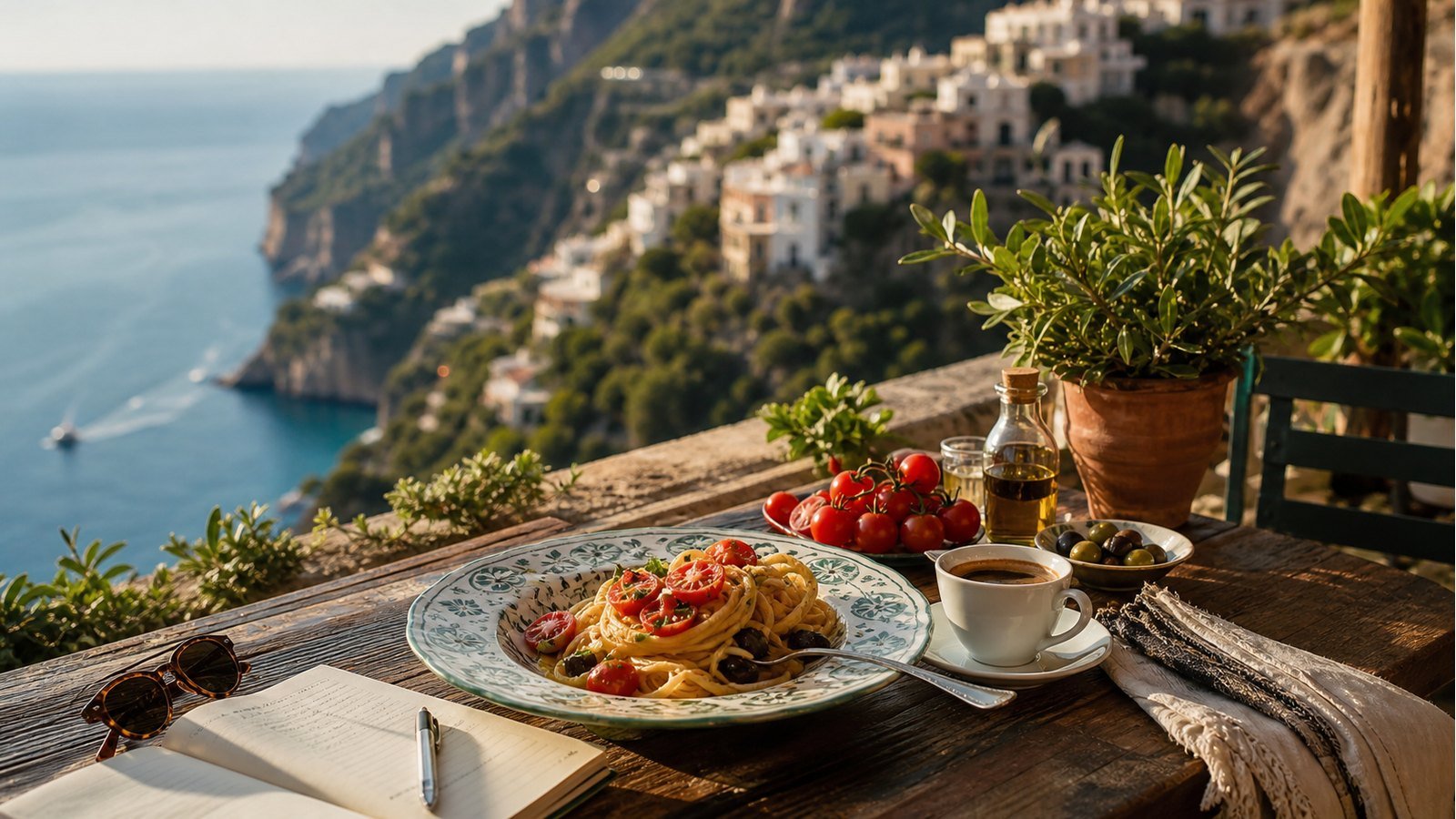
For decades, the transatlantic gateway to Italy meant Rome, Milan, or perhaps Venice. That map is quietly being redrawn. Neos has opened sales for a New York–Bari route launching in summer 2026, a signal that southern Italy is no longer content to be a secondary stop on the classic itinerary. At the same time, Sicily’s Baroque towns are experiencing what ItalyMagazine describes as a genuine renaissance, drawing culture-focused travelers who once might have defaulted to Florence or the Amalfi Coast. Together, these developments mark a meaningful shift in how international visitors are approaching Italy destinations — one that favors depth, authenticity, and access over the well-worn circuit.
Puglia’s New Long-Haul Connection Changes the Calculus
A direct New York–Bari route does more than add convenience; it changes the economics and imagination of a trip. Puglia has long been a favorite among Italians and savvy European travelers for its whitewashed towns, olive groves, and Adriatic coastline, but limited long-haul access kept it out of reach for many American visitors without a Rome or Naples connection. Neos opening sales for summer 2026 suggests confidence that demand exists — and that Bari can function as a legitimate arrival point rather than a regional afterthought.
This matters for anyone planning regional travel through southern Italy. Bari’s airport puts travelers within easy striking distance of Alberobello’s trulli, the baroque streets of Lecce, and the turquoise coves of the Salento peninsula. It also reframes Puglia not as an extension of a Rome trip, but as a destination worth flying into directly — a subtle but important distinction for a region trying to build sustainable, less seasonal tourism.
Sicily’s Baroque Towns and the Hidden-Gem Effect
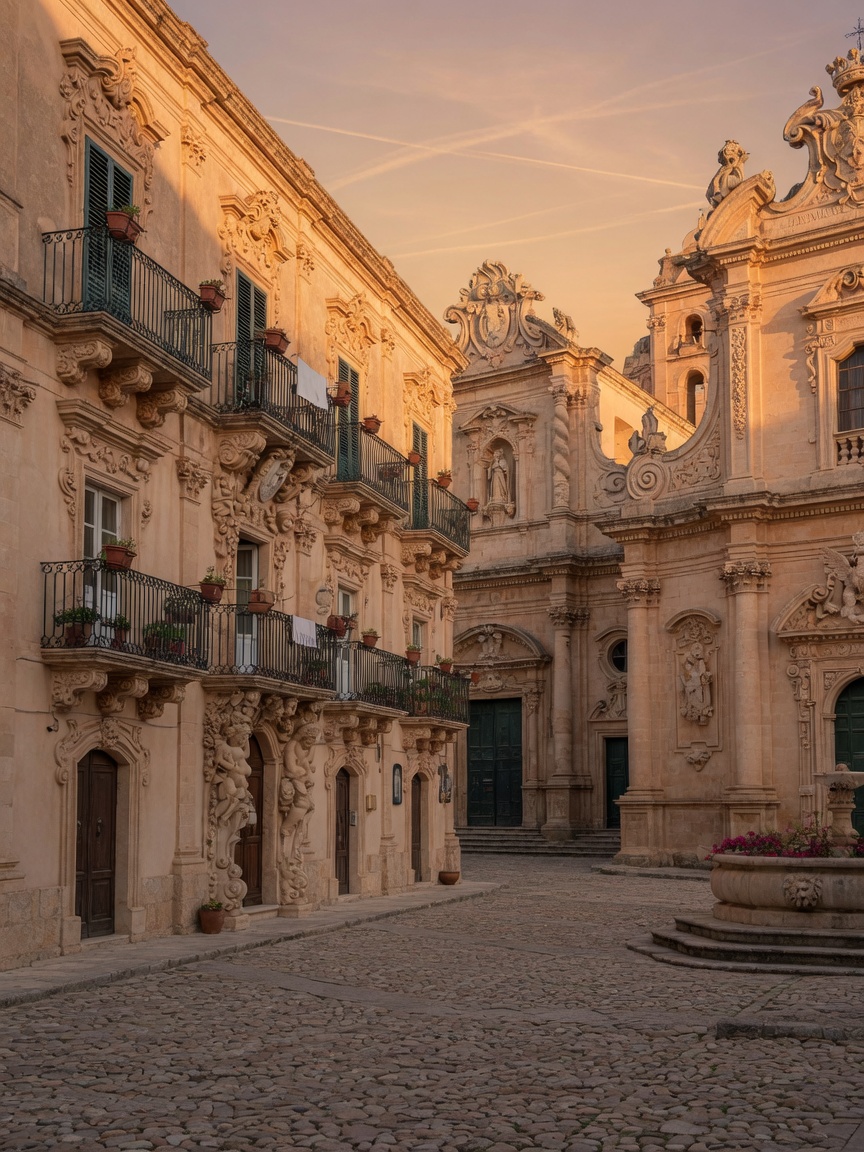
While Puglia gains air access, Sicily is winning attention through heritage storytelling. ItalyMagazine’s coverage of Sicily’s Baroque renaissance highlights towns like Noto, Modica, and Ragusa, where ornate 18th-century architecture — rebuilt after the devastating 1693 earthquake — is drawing renewed international interest. This isn’t a passing trend; it reflects a broader appetite among travelers for hidden gems in Italy that offer historical density without the crowds of Florence’s Duomo or Rome’s Trevi Fountain.
Two specific developments reinforce this pattern. First, a newly reopened ancient Roman villa near Scala dei Turchi and the Valley of the Temples gives visitors another heritage stop along Sicily’s dramatic western coastline, adding archaeological depth to a route already anchored by one of the Mediterranean’s most striking coastal landscapes. Second, ItaliaAbsolutely’s feature on Bagheria — dubbed “the city of villas and flavour” — points to smaller towns near Palermo stepping into the spotlight. Bagheria, with its aristocratic villas and strong culinary identity, exemplifies how secondary Sicilian towns are being packaged as compelling alternatives to the island’s headline destinations.
For travelers building itineraries around Sicily, Tuscany, Rome, and coastal towns, this signals an opportunity: pairing iconic stops with lesser-known detours yields a richer, less congested experience without sacrificing cultural substance.
What This Means for Regional Travel Planning
The throughline connecting Bari’s new route, Sicily’s Baroque towns, and Bagheria’s rising profile is a broader recalibration of how Italy is marketed and consumed. Regional travel is increasingly framed around access and authenticity rather than sheer brand recognition. This has practical implications:
- Book flights strategically: Flying directly into regional hubs like Bari can save time and open up itineraries that skip Rome altogether.
- Layer heritage sites with food culture: Towns like Bagheria and Modica pair architecture with strong culinary traditions, rewarding travelers who slow down.
- Expect less seasonal crowding: Secondary destinations in Puglia and Sicily still offer breathing room compared to peak-season Amalfi Coast or Cinque Terre.
- Watch coastal archaeology sites: Newly reopened locations, like the Roman villa near Scala dei Turchi, add fresh reasons to revisit familiar regions.
Key Takeaway
Southern Italy is asserting itself not as a fallback but as a primary destination in its own right. Bari’s new transatlantic connection and Sicily’s Baroque momentum suggest that the next wave of Italy destinations will be defined less by iconic skylines and more by the depth of regional travel experiences — a shift worth watching for anyone planning a trip beyond the usual Rome-Florence-Venice frame.