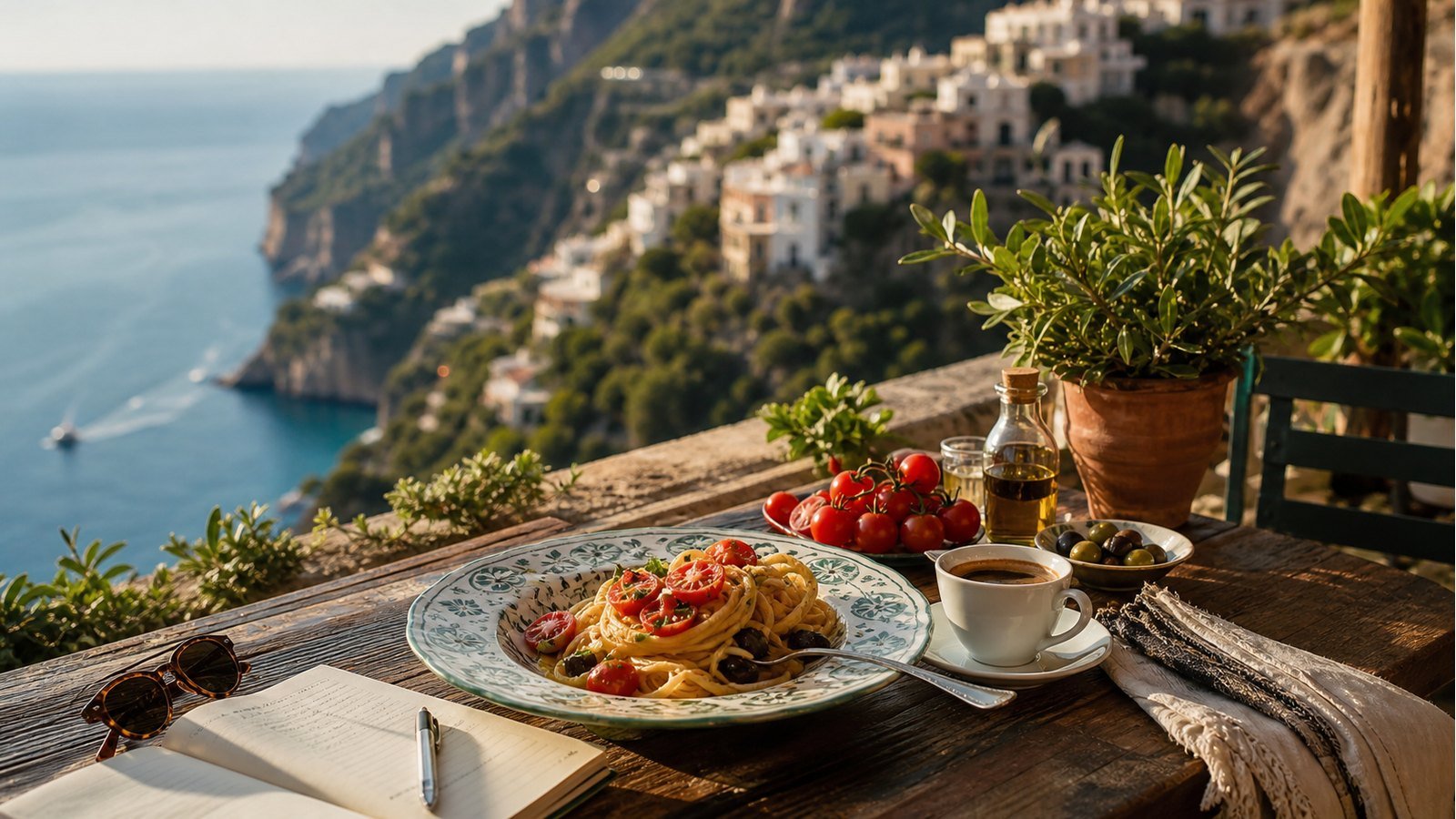
Every August, Italy fills up. Beaches overflow, coastal roads jam, and the country’s most photographed corners become logistical challenges rather than reveries. Then September arrives, and something shifts. The light softens, the sea stays warm, and Italy’s regional soul reemerges from beneath the tourist rush. This month, travel coverage from sources like Lonely Planet Italia is converging on a clear theme: Italy destinations outside the classic big-three circuit—Rome, Florence, Venice—are having a well-deserved moment, and shoulder-season timing is the reason why.
The Aeolian Islands: Sicily’s Slow-Travel Answer to Overtourism
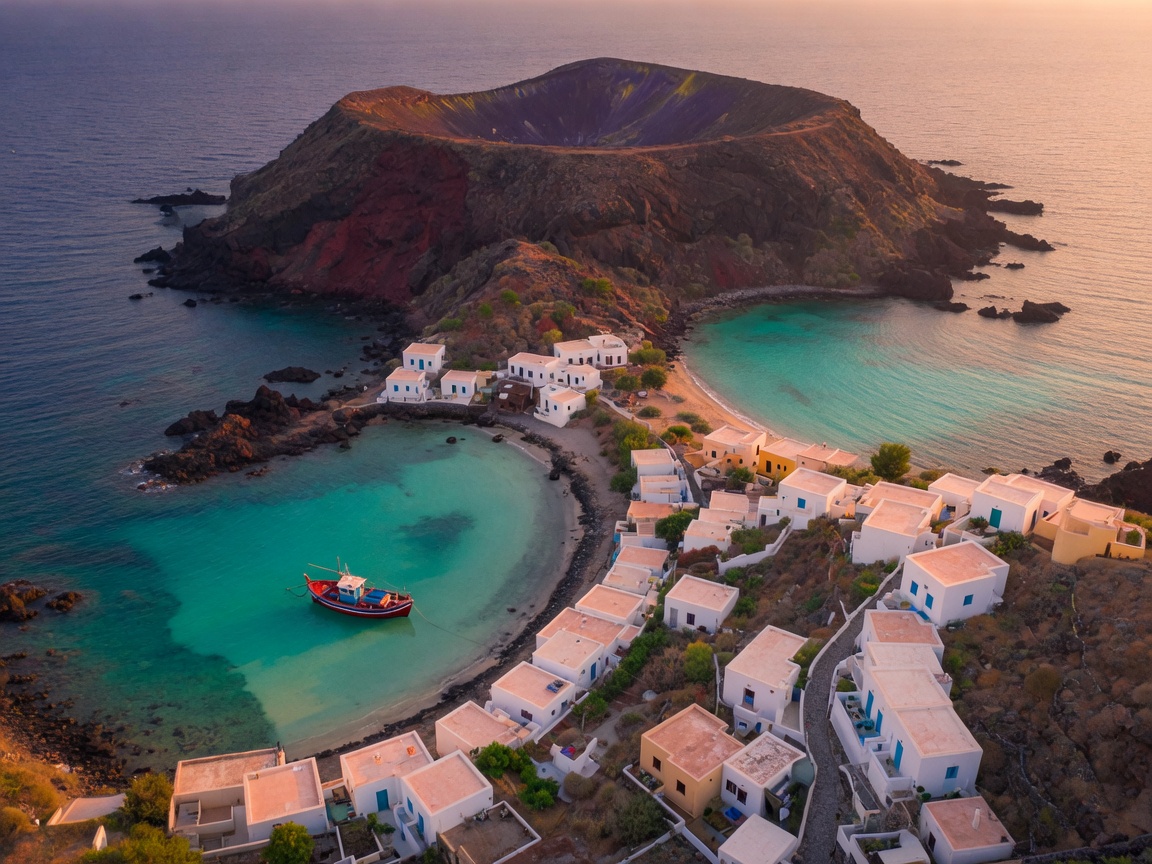
Nowhere illustrates this shift better than Sicily’s Aeolian Islands, a volcanic archipelago north of Milazzo that has become the standout recommendation for September travel. While Lipari and Vulcano draw day-trippers even in shoulder season, the real story is unfolding on Salina, Filicudi, and Alicudi—islands where car traffic is minimal, restaurants serve capers and Malvasia wine grown steps from the table, and boat trips to hidden coves happen without the August queue for a mooring spot.
Salina, made internationally famous by the film Il Postino, offers a mid-point between comfort and remoteness: proper hotels, a handful of excellent trattorias, and enough infrastructure for an easy week. Filicudi and Alicudi go further—Alicudi has no paved roads and roughly 100 year-round residents, making it one of the last truly analog corners of Mediterranean Italy. For travelers chasing genuine Sicily Tuscany Rome coastal towns variety within one country, the Aeolians deliver an experience closer to the Greek Cyclades than to Sicily’s better-known Ionian coast.
Inland Escapes: Italy’s Hidden Gems Beyond the Coast
The second major trend in this month’s coverage is the pull toward inland and small-town Italy. Hidden gems Italy lists are increasingly naming towns like Montefalco in Umbria, Orta San Giulio on its namesake lake, Sperlonga on the Lazio coast, Viterbo, Gubbio, and the Abruzzo mountain town of Scanno. These places share a common appeal: architectural depth, strong local food identity, and a near-total absence of the selfie-stick crowds found in Cinque Terre or central Florence.
Montefalco, for instance, sits at the heart of Umbria’s Sagrantino wine country—a grape variety intense enough that many producers now blend it for approachability, but worth seeking out in its purest form during September’s harvest season. Orta San Giulio, meanwhile, offers a lake-town alternative to Como’s increasingly saturated shoreline, with a car-free medieval core and views across to the Isola di San Giulio.
- Gubbio – a stone medieval town in Umbria with a working funicular and minimal tourist infrastructure
- Viterbo – historic thermal city near Rome, ideal for a day trip that skips the capital’s crowds
- Scanno – heart-shaped lake and mountain village in Abruzzo, still largely unknown outside Italy
Coastal and Island Alternatives Beyond Amalfi
The third theme running through September’s travel guidance is geographic redistribution along the coast. Argentario, the Tremiti Islands, Salento in Puglia, and Elba are all gaining attention as substitutes for the oversaturated Amalfi Coast and Cinque Terre corridor. This isn’t just about avoiding crowds—it’s about regional travel that rewards curiosity. Salento’s baroque towns and cave-dotted coastline, for example, pair extraordinary food (orecchiette, burrata, primitivo wine) with beaches that rival anything on the Amalfi cliffs, at a fraction of the price and foot traffic.
What This Means for Travelers Planning Late-Season Trips
The implication is straightforward: September rewards those willing to look past Italy’s headline destinations. Wine harvests are underway in Umbria and Tuscany, sea temperatures remain swimmable through early October, and accommodation prices in secondary destinations often drop 20-30% compared to August peaks. Planning a trip that mixes one well-known anchor point—Rome or Florence—with a lesser-known extension like the Aeolians or Salento captures both convenience and authenticity.
Key takeaway: Italy in September isn’t a compromise for missing summer—it’s arguably the smarter trip. Whether it’s the volcanic quiet of Alicudi, the wine-soaked hills around Montefalco, or the underrated shores of Salento, this shoulder season offers the country at its most livable, least crowded, and most genuinely Italian.