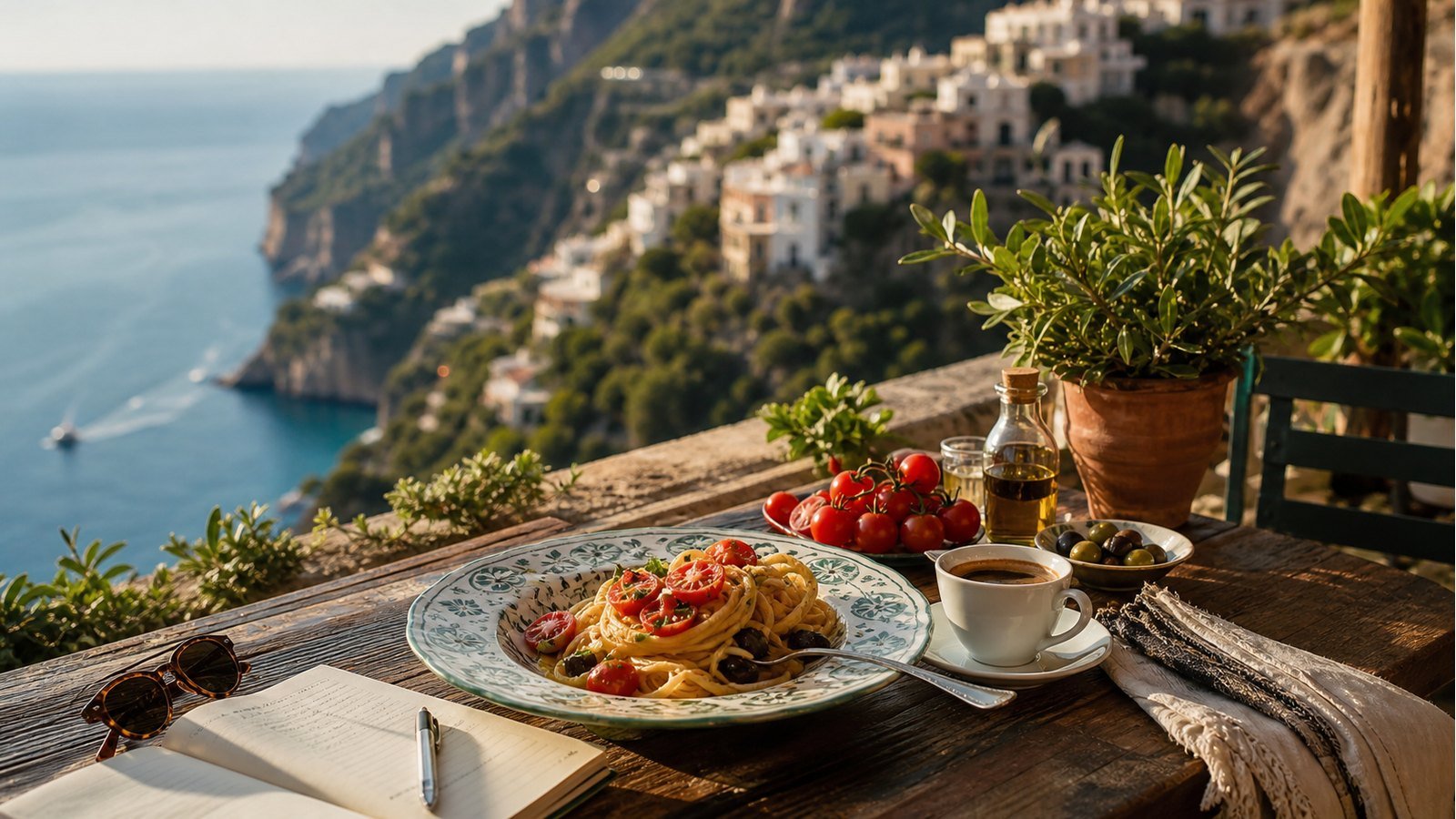
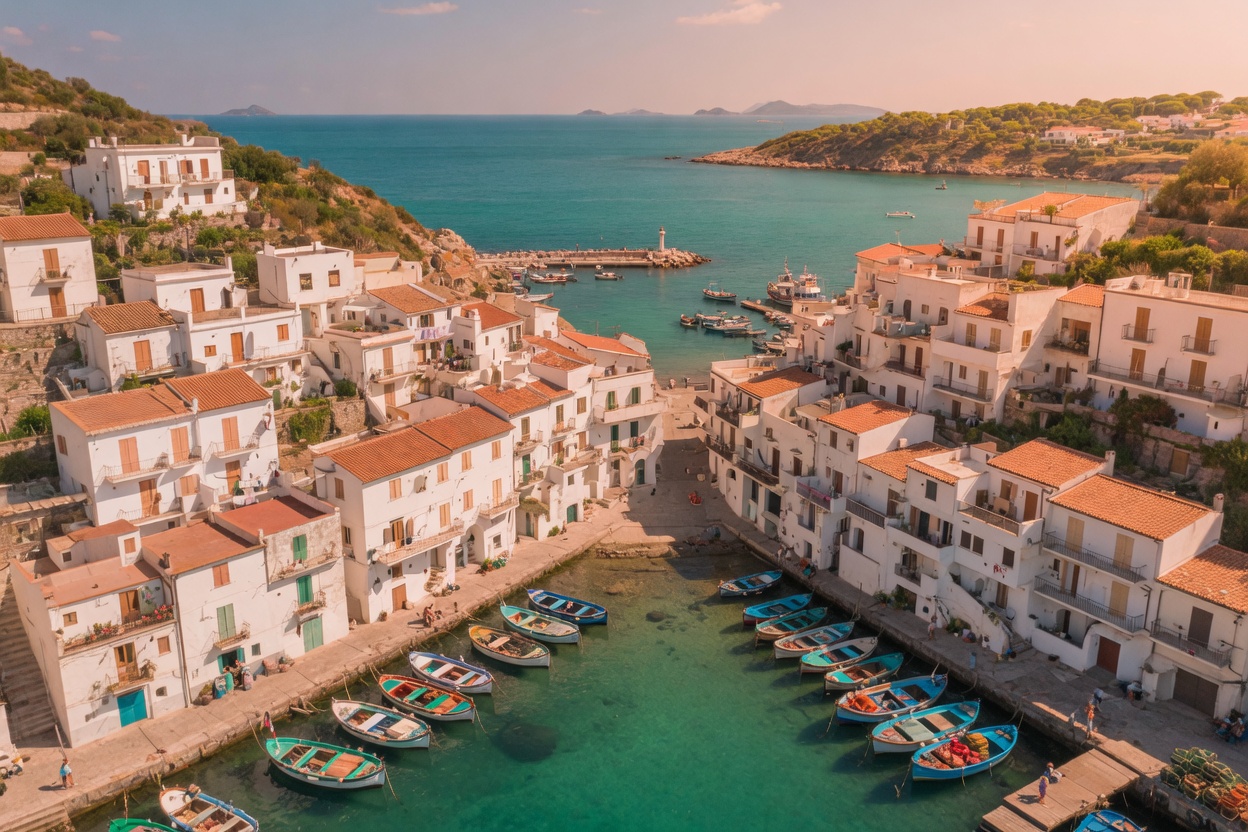
As summer winds down, Italy’s travel map is quietly rearranging itself. According to recent coverage from Il Sole 24 Ore and idealista, September bookings this year are leaning heavily toward Mediterranean-focused escapes rather than the usual urban circuits. The result is a late-season surge for coastal and island destinations — places where the sea, not the skyline, is the main draw. For anyone planning an autumn trip, this shift offers a useful lesson: some of the best Italy destinations right now aren’t the ones on postcards.
The Coastal Pull: Why the Sea Still Wins in September
Late-summer travel demand has consistently favored regions with direct sea access, and this year is no exception. The Argentario peninsula, the Tremiti Islands, and Salento are all seeing renewed interest as travelers chase warm water and fewer crowds before autumn fully sets in. Sicily, in particular, continues to dominate coverage — not only as a scenic destination but as an event-driven one. The Cous Cous Fest in San Vito Lo Capo, running from 18–27 September 2026, is a clear example of how food festivals are now shaping travel calendars as much as beaches do.
This pattern reflects a broader recalibration in regional travel: visitors are increasingly willing to trade marquee cities for coastal towns that offer the same Mediterranean light and cuisine without the peak-July density. Sicily, Tuscany, and Rome’s coastal towns remain reference points, but the real momentum is in the towns just beyond them — smaller, slower, and often better value in September.
Hidden Gems Take the Spotlight
Travel editors have been especially vocal this season about steering readers away from the standard big-city itinerary. Matera, Tropea, Procida, and Polignano a Mare are recurring names in these roundups — each offering a distinctly regional identity that resists the “checklist Italy” experience. These hidden gems Italy is known for aren’t newly discovered; they’re simply gaining more attention as travelers seek slower, more textured trips.
What ties these destinations together is a sense of scale. They’re walkable, food-forward, and shaped by local rhythms rather than tourist infrastructure. This is part of why alternatives to Florence and Turin are being framed not as compromises, but as upgrades for travelers who want depth over density. It’s a meaningful shift in how regional travel is marketed and consumed — less about ticking off monuments, more about inhabiting a place, even briefly.
Managing Success: Access, Crowds, and Small-Island Limits
With rising interest comes rising pressure, and Italy’s smaller destinations are responding accordingly. On Filicudi, one of the Aeolian Islands, authorities have restricted vehicle circulation for non-residents through 30 September 2026 — a direct response to peak-season strain on infrastructure that was never built for high volume. It’s a small but telling detail: as hidden gems become less hidden, local governance has to catch up.
This kind of crowd management isn’t unique to Filicudi. Expect similar measures — timed entries, resident-only zones, seasonal caps — to spread across other small islands and coastal towns as September and shoulder-season travel becomes a bigger share of annual tourism. For travelers, this means: plan logistics early, especially for island access, and don’t assume smaller means easier to reach.
What This Means for Travelers
- Coastal and island Italy destinations are outperforming traditional city breaks for September bookings.
- Sicily remains a dual draw — landscape and food events like the Cous Cous Fest are both pulling visitors.
- Access restrictions, as seen on Filicudi, signal a broader trend toward regulated tourism on smaller islands.
- Hidden gems like Matera, Tropea, and Procida offer strong alternatives to saturated hubs like Florence, Rome, and Turin.
Key Takeaway
Italy’s late-summer travel patterns point to a maturing kind of tourism — one where regional travel and lesser-known coastal towns are no longer fallback options but genuine destinations of choice. Whether it’s Sicily’s festivals, Salento’s shoreline, or the quiet lanes of Polignano a Mare, September is proving that the most rewarding Italian trips right now are the ones slightly off the main route — provided you plan around the access limits that popularity inevitably brings.