September has quietly become one of the smartest months to visit Italy — warm enough for the coast, cool enough for city walking, and blessedly thinner on crowds than August. But this year, the shoulder-season rush is colliding with a wave of coordinated aviation strikes across France and Italy, causing cancellations, delays, and diversions on routes tied to Sardinia and Tuscany. For anyone planning a trip in the coming days, understanding both the opportunity and the disruption is essential.
Why September Is Italy’s Sweet Spot
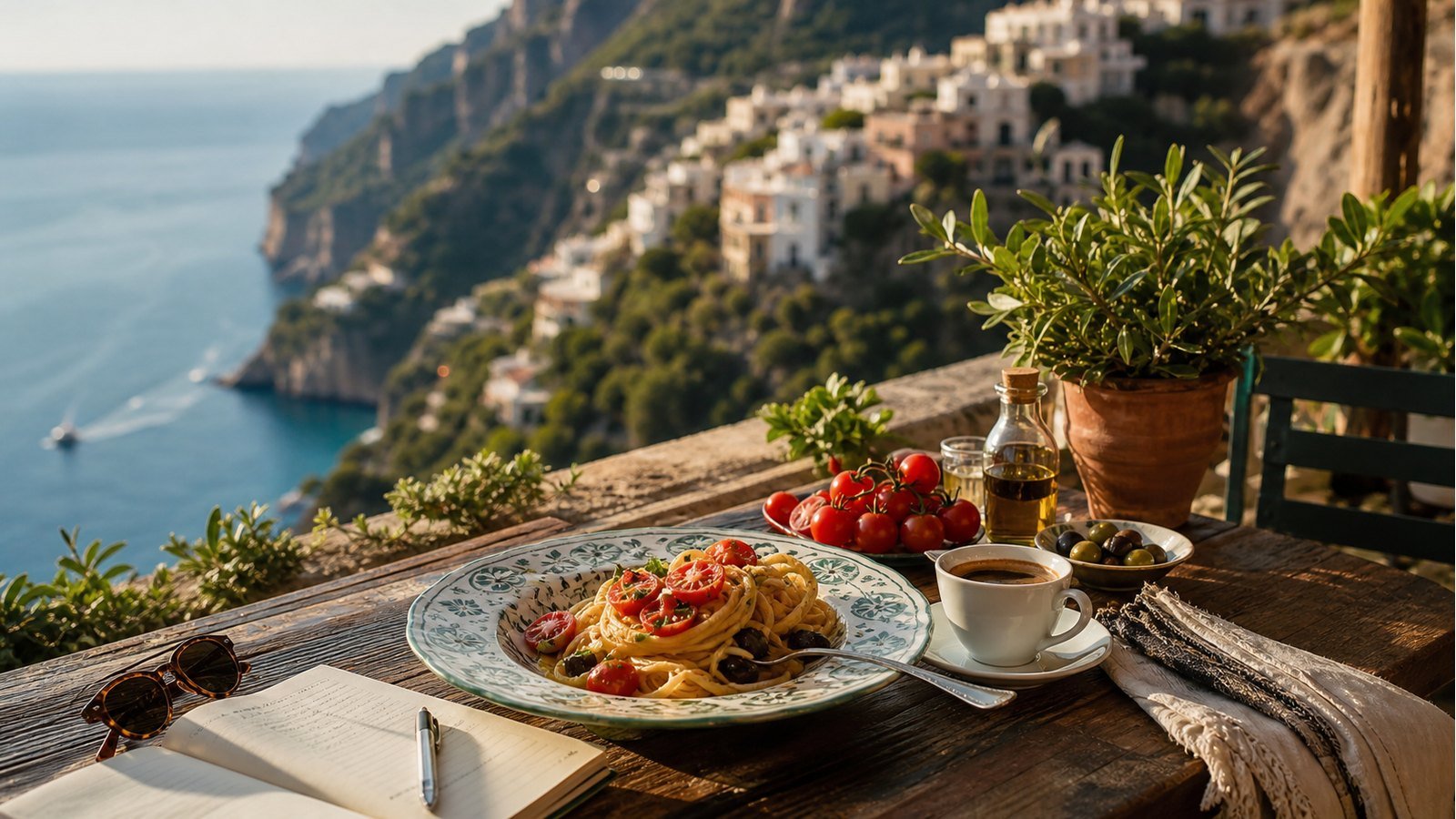
Late summer into early autumn is when Italy shows its most balanced face. The beaches are still warm, the vineyards are turning color, and cities like Florence and Mantua shed the worst of the tourist density that defines July and August. Val di Fassa, tucked in the Dolomites, is drawing hikers chasing the last stretch of alpine light before autumn closes in.
This isn’t just anecdotal. Regional travel boards and tour operators consistently flag September as the month when Italy destinations deliver the best value-to-experience ratio: shorter lines at major sites, more availability in boutique accommodations, and restaurants operating at a pace that actually allows for lingering meals rather than rushed turnover.
Sicily is a standout this year, anchored by the Cous Cous Fest in San Vito Lo Capo, running September 18–27, 2026. The festival has grown into one of the Mediterranean’s most compelling food-and-culture events, drawing chefs and visitors for a celebration built around the dish’s shared North African–Sicilian heritage — a reminder that Sicily’s identity is as much about culinary crossroads as it is about coastline.
The Strike Factor: What Travelers Need to Know
The complicating variable this month is labor action. Coordinated strikes affecting aviation in both France and Italy are rippling through leisure travel, with particular impact on connections to Sardinia and Tuscany — two regions heavily reliant on seasonal flight capacity to serve late-summer demand. Cancellations and diversions have already been reported, and travelers with island or coastal itineraries should treat flexibility as a core part of trip planning right now.
This sensitivity extends beyond flights. Sea-dependent routes are also feeling pressure, with restrictions reported affecting Filicudi in the Aeolian Islands, alongside broader concerns for ferry-dependent trips to Sicily, Sardinia, and the islands of the Bay of Naples. For travelers whose itineraries hinge on a single ferry or flight connection, building in a buffer day — or a backup route — is no longer optional advice; it’s practical necessity.
- Check carrier strike calendars before booking connecting flights into island regions.
- Build in buffer days around ferry crossings to Sardinia, Sicily, and the Aeolians.
- Diversify mainland time so a delayed island leg doesn’t derail an entire itinerary.
Where the Hidden Gems Are Hiding
If coastal and island logistics feel uncertain this month, the smart move is leaning into Italy’s overlooked interior and secondary coastlines — regions that reward exactly the kind of regional travel curiosity this is a good season for. Basilicata and Calabria remain two of the country’s most underexplored regions, offering dramatic landscapes and cuisine that hasn’t been smoothed out for mass tourism. Both are less exposed to the ferry and flight bottlenecks currently affecting the bigger islands.
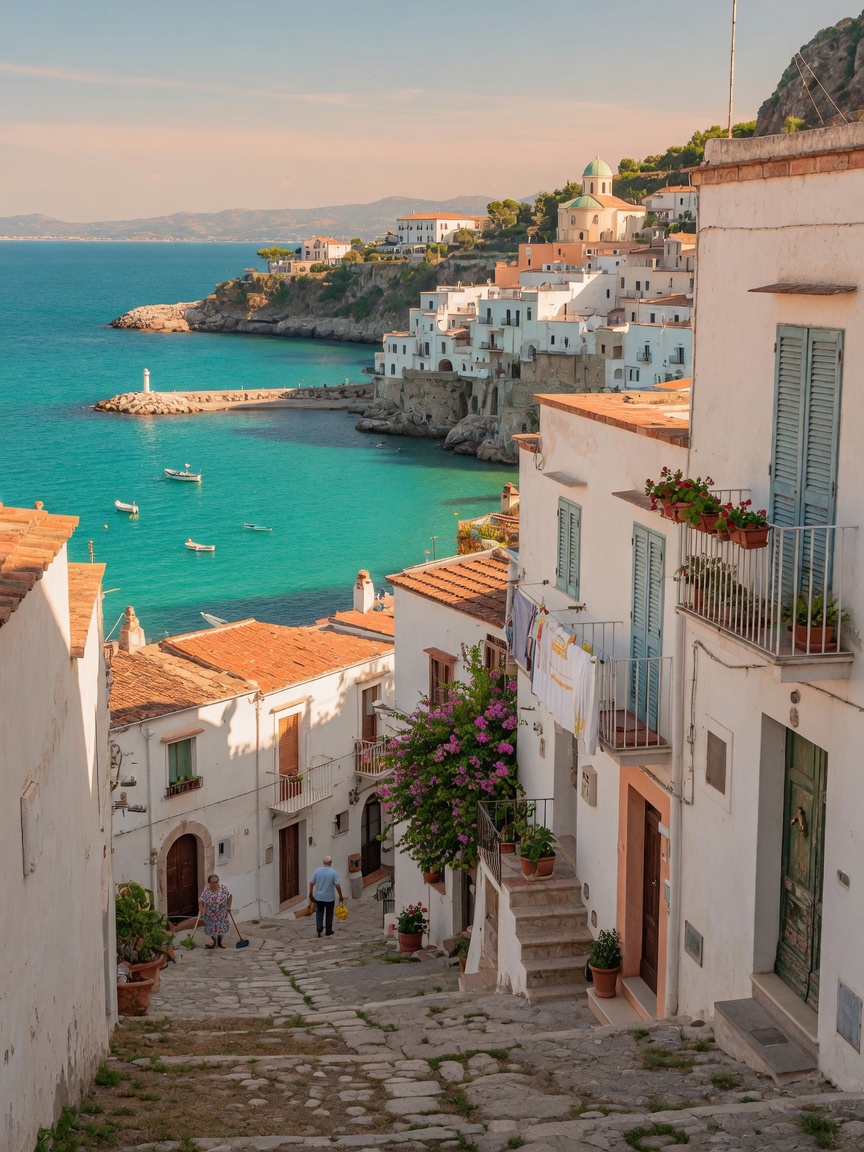
Along the Lazio coast, Sperlonga continues to be one of the most photogenic yet under-visited towns in central Italy — whitewashed lanes above a turquoise bay, an easy detour from Rome without the crowds of the Amalfi Coast. Liguria’s smaller coastal escapes offer a similar trade: proximity to major transit hubs with a fraction of the congestion found in Cinque Terre during peak months.
These hidden gems in Italy aren’t just charming alternatives — this September, they’re also the more resilient choices, less dependent on the strained ferry and flight networks currently under strain.
What This Means for Your Trip
The practical takeaway is that September 2026 rewards flexibility over fixed plans. Sicily’s food festival culture, Tuscany’s golden light, and the Dolomites’ late hiking season remain genuinely excellent reasons to travel — but pairing a headline destination with a lower-risk regional detour is the wiser structure right now. Travelers heading to Sardinia, Sicily, or the Aeolian and Bay of Naples islands should confirm transport status close to departure and keep alternate plans on hand.
Key takeaway: September remains one of the best windows for Italy destinations, but this year’s strikes make flexible, regionally diversified itineraries — blending marquee spots like Tuscany and Sicily with resilient hidden gems in Basilicata, Calabria, and Lazio’s coastal towns — the smartest way to travel.