September has always been Italy’s quiet gift to travelers who know better than to fight August crowds. But this year, something more structural is happening: the country’s late-summer travel focus is moving decisively beyond the classic Rome-Florence-Venice triangle, toward regional destinations that reward curiosity over checklist tourism. From the cave dwellings of Matera to the salt pans of Trapani, Italy’s lesser-known corners are having a genuine moment.
The Hidden Gems Redefining Italy Travel
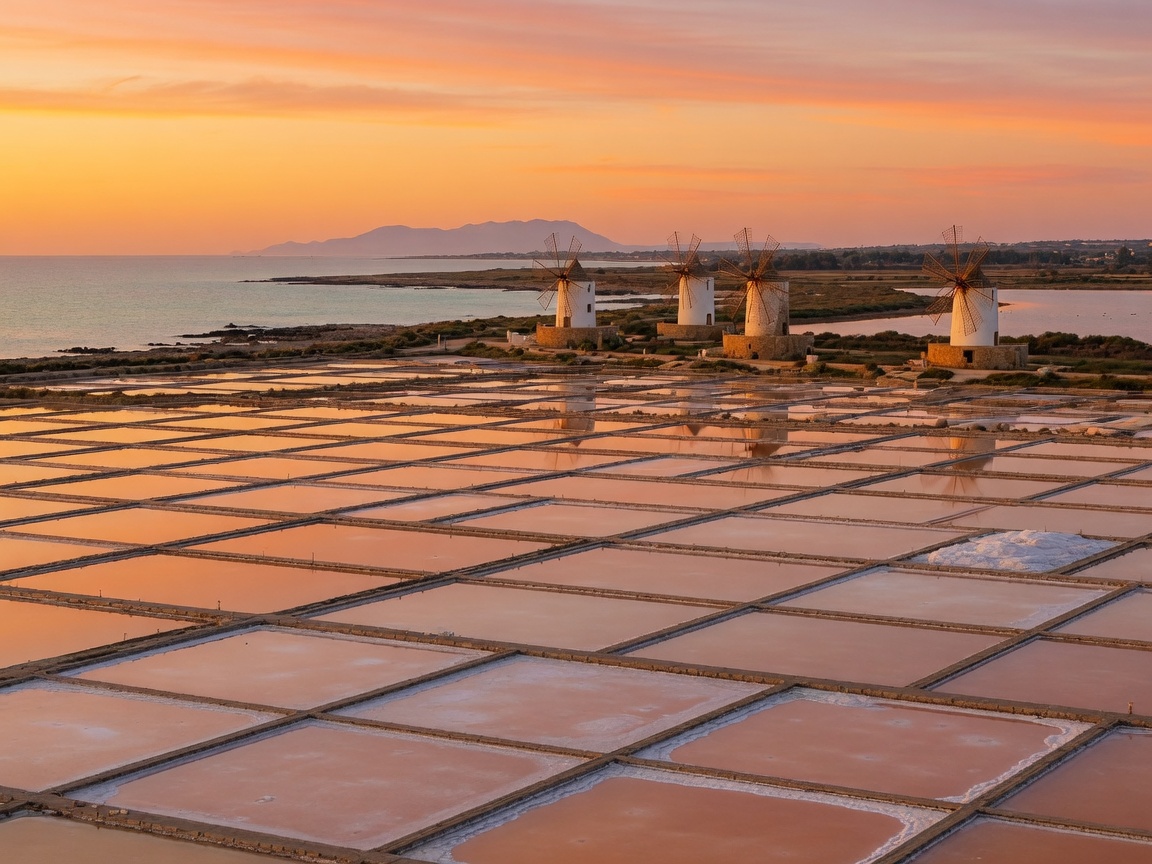
A travel roundup published this September frames the country’s appeal around 25 adventure and hidden experiences — and the list reads like an invitation to slow down. Matera’s ancient sassi neighborhoods, the ghost town of Craco, the volcanic drama of Stromboli, the pastel harbor of Procida, and Trapani’s shimmering salt pans all feature prominently. So does Etna’s wine country, where vineyards grow in volcanic soil at altitudes that would seem inhospitable anywhere else, and Cala Goloritzé, the Sardinian cove accessible only by boat or a demanding hike.
What unites these hidden gems in Italy isn’t obscurity for its own sake — it’s texture. These are places where geography, history, and food culture collide in ways the big-name cities, however magnificent, sometimes flatten under sheer visitor volume. Regional travel here means smaller crowds, but it also means richer, more specific stories: a salt worker explaining centuries-old harvesting methods in Trapani, or a Procida fisherman still hauling in the day’s catch a few steps from where you’ll eat it.
Shoulder-Season Islands and Coastal Alternatives
Seasonal guides are steering travelers toward a wider map of regional alternatives: Argentario’s rocky Tuscan coastline, the Tremiti Islands off Puglia, Salento’s baroque towns and turquoise water, the Dolomite trails of Val di Fassa, Gran Sasso’s mountain silence, and urban detours through Mantua and Turin that sit comfortably outside the usual itinerary. This is shoulder-season travel at its most rewarding: warm enough for the beach, cool enough for hiking, and consistently quieter than peak summer.
Sea-crossing destinations are especially benefiting from this shift. Sicily, Sardinia, the Aeolian Islands, the Tremiti Islands, and the islands scattered across the Bay of Naples are all seeing renewed late-summer interest as 2026 travel patterns lean further into September and even October departures. It’s a smart move: ferry schedules are lighter, restaurant tables are easier to secure, and the Mediterranean light in autumn has a clarity that August’s haze rarely offers.
- Sicily — beyond Palermo and Taormina, explore Etna’s vineyard towns and Trapani’s salt route
- Sardinia — Cala Goloritzé and lesser-visited eastern coves
- Bay of Naples islands — Procida over Capri for a quieter, more residential feel
- Ponza and the Tremiti Islands — small-scale island life without the yacht-harbor crowds
What Travel Disruption Means for Planning
There’s a practical wrinkle worth noting: recent coordinated aviation strikes across France and Italy have caused delays and cancellations affecting leisure routes into Sardinia, Tuscany, and beyond. For anyone chasing these regional escapes, this is a reminder that flexibility matters as much as destination choice. Building in buffer days, favoring rail or ferry connections where possible, and confirming schedules close to departure can spare travelers real frustration — especially when heading to islands with limited daily crossings.
This disruption also reinforces a broader point: the appeal of hidden gems in Italy isn’t just about avoiding crowds at famous sites — it’s about building itineraries resilient enough to absorb the occasional transport hiccup without unraveling the whole trip.
Implications for Travelers
The takeaway for anyone planning an Italian trip this autumn is straightforward: the country’s biggest draws — Rome, Sicily’s coast, Tuscany’s hill towns — remain worth the visit, but they’re no longer the whole story. Pairing a day or two in a major hub with a deeper regional detour, whether that’s Matera’s cave churches or a boat ride to Ponza, produces a far more memorable trip than repeating the same well-trodden path. Late-September and early-October windows offer the best version of Italy: warm seas, thinner crowds, and locals with time to talk.
Key takeaway: Italy’s 2026 late-summer travel story is really a regional one — the smartest itineraries now blend a classic city or two with genuinely hidden destinations, from Trapani’s salt pans to Sardinia’s remote coves, while staying flexible around ongoing transport disruptions.