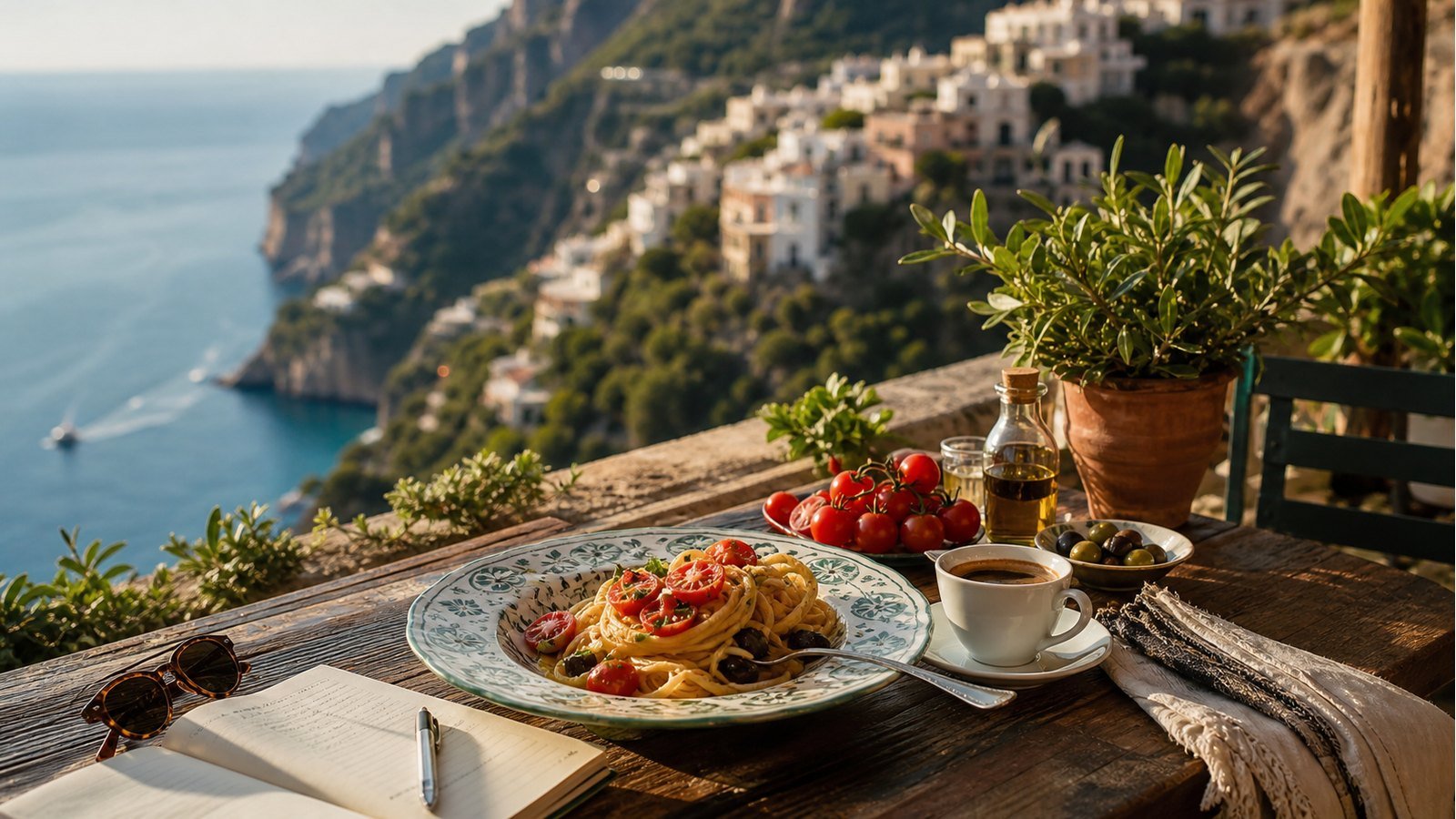
Autumn in Italy has always meant grape harvests, softer light on the Tuscan hills, and thinner crowds at the great monuments. This week, though, it also means volcanic ash over Sicily and a fresh round of national transport strikes — a reminder that Italy destinations require not just wanderlust but a bit of logistical savvy. For travelers with plans in Sicily, Rome, or beyond, the news is less a warning to stay away than an invitation to plan smarter and look further afield.
Etna’s Ash Cloud and the Reality of Sicily Travel
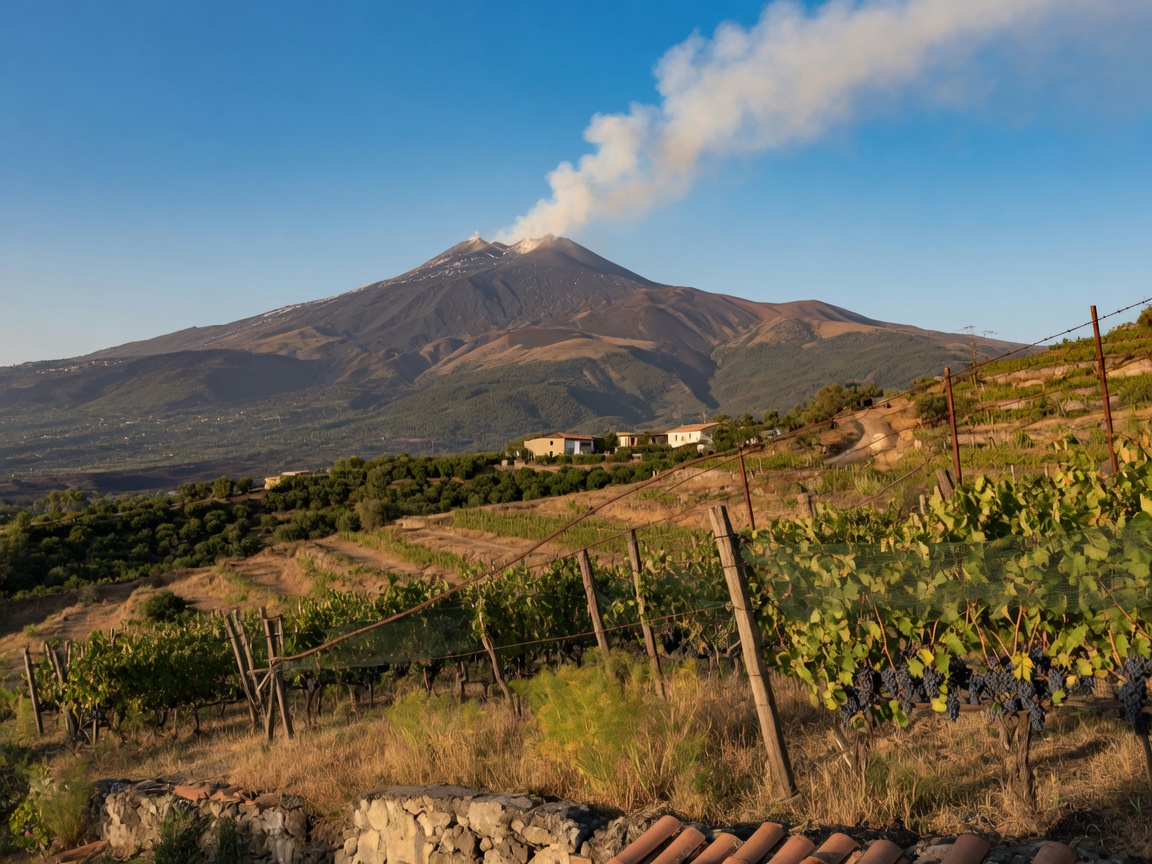
Mount Etna, Europe’s most active volcano, once again sent ash plumes over eastern Sicily this week, forcing a temporary suspension of flights at Catania Airport. It’s not the first time — Etna’s eruptions are frequent enough that seasoned Sicily travelers build in a buffer day before onward connections. For anyone flying into Catania to reach Taormina, the Baroque towns of the southeast, or the wine country around Etna itself, the lesson is straightforward: check flight status obsessively in the 24 hours before departure, and consider Palermo as a backup arrival point if ash disruption is active.
This is also a moment to remember that Sicily’s appeal isn’t confined to its airports. The island’s interior — Enna, the Nebrodi mountains, the almond groves around Agrigento — remains untouched by coastal flight delays and offers some of the most compelling hidden gems Italy has to offer, precisely because so few visitors venture past the coast.
Strikes, Advisories, and the Case for Flexible Itineraries
Beyond Etna, Italy is facing a cluster of transport strikes in late September, with Rome and the Lazio region seeing local transit actions alongside broader national strikes touching rail, maritime, and aviation services. Meanwhile, the U.S. State Department’s Italy advisory remains at Level 2: Exercise Increased Caution, citing terrorism risk and petty crime — a standard, longstanding designation rather than a new alarm, but worth noting for first-time visitors.
None of this should derail a trip, but it does argue for flexibility. A few practical habits go a long way:
- Build a half-day buffer around any transfer that depends on trains or ferries during strike-prone weeks (Fridays are common strike days in Italy).
- Keep offline maps and a backup itinerary for regional travel, since strikes often exempt certain “guaranteed service” windows in early morning and evening.
- Register with your embassy’s travel program if visiting during periods of scheduled labor action.
- Watch official transit union announcements (often published days in advance) rather than relying on secondhand reports.
Travelers moving between Sicily, Tuscany, Rome, and coastal towns along the Amalfi or Ligurian coasts should treat strike calendars the way they’d treat weather forecasts — a factor to plan around, not a reason to cancel.
Beyond Rome, Venice, and Florence: The Regional Payoff
Disruption in the big hubs has a silver lining: it’s pushing more travelers toward regional travel and slower itineraries. Instead of a whirlwind Rome-Florence-Venice triangle vulnerable to every strike and delay, more visitors are building trips around a single region — Umbria’s hill towns, the Marche coast, Puglia’s trulli countryside, or Sicily’s volcanic interior — where a single strike day barely registers because the pace was already unhurried.
This shift also rewards deeper exploration of places like Ortigia in Syracuse, the Val d’Orcia south of Siena, or the fishing villages of Cilento — destinations that deliver the authentic, food-and-landscape-driven experience Acerbo Livio readers come for, without the fragility of a tightly packed multi-city sprint.
What This Means for Your Next Italy Trip
The combination of Etna’s ash, scheduled strikes, and a standing caution advisory doesn’t signal a bad time to visit Italy — it signals a normal Italian autumn. The country’s transit quirks and geological drama are part of its character, not a deterrent. What changes is how prepared travelers should be: flexible bookings, regional focus, and a willingness to let go of a rigid schedule in favor of discovering what’s actually nearby.
Key takeaway: Italy’s late-September disruptions are a call to travel smarter, not less — favor regional depth over rushed itineraries, keep a buffer for Sicily’s volcanic unpredictability, and let strikes nudge you toward the hidden gems Italy keeps just outside its most famous cities.