October has quietly become one of the best months to experience Italy, and this year’s travel guides are converging on a familiar but compelling truth: the country’s south, its classic art cities, and its lesser-known inland towns are where the real autumn magic happens. From Idealista Italia to Visititaly.eu, the consensus for 2026 points toward a shoulder-season strategy that trades August crowds for warm light, open trattorias, and the first scent of pressed olives in the air.
Sicily and the Southern Coastline: Still Warm, Still Uncrowded
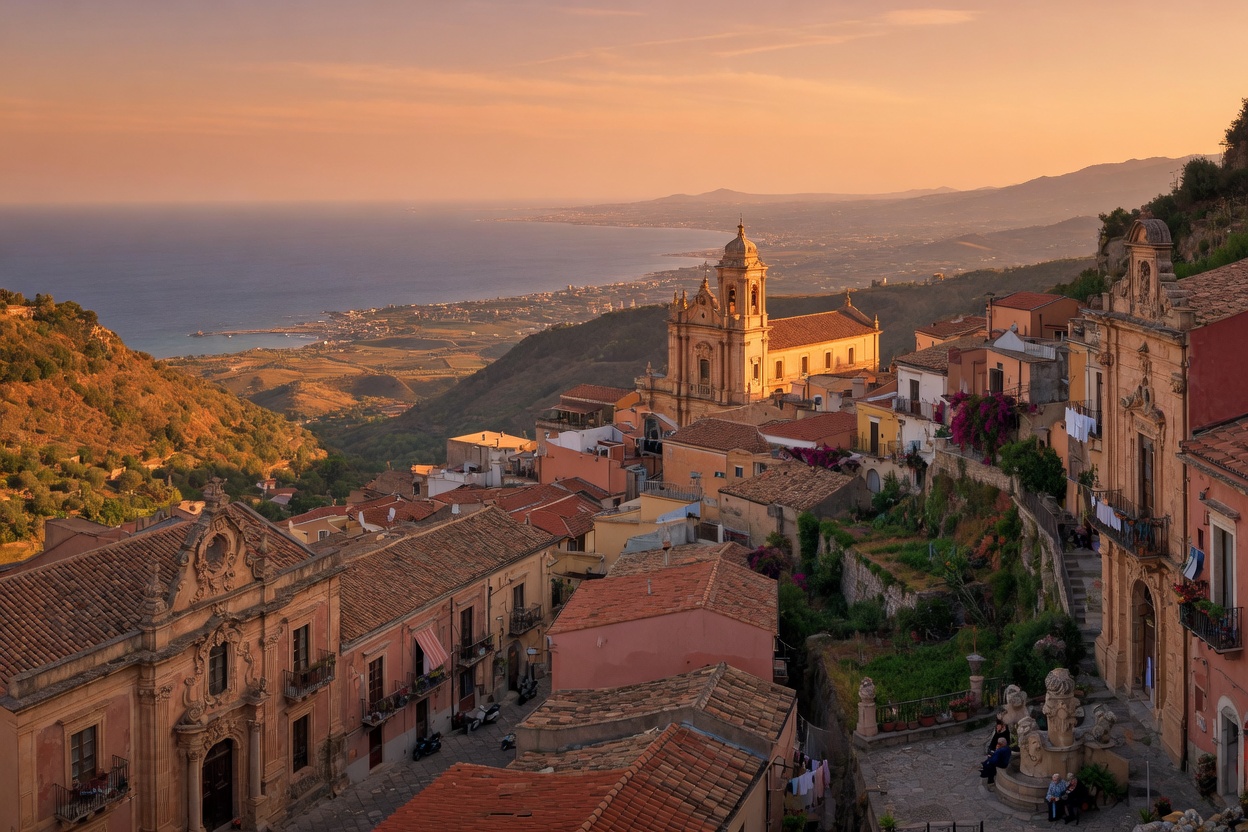
Sicily continues to dominate October recommendations, and for good reason. With sea temperatures still inviting and daytime highs comfortably in the low-to-mid 20s°C, the island offers a genuine extension of summer without the July congestion. Current guides repeatedly highlight a core route: Palermo for market life and Arab-Norman architecture, Ortigia in Siracusa for golden-hour baroque streets, Taormina for its cinematic coastal views, and Cefalù for a quieter beach-town pace. Ragusa, meanwhile, keeps surfacing as the island’s understated favorite — a baroque hill town with none of the selfie-stick density of Taormina but every bit of the architectural drama.
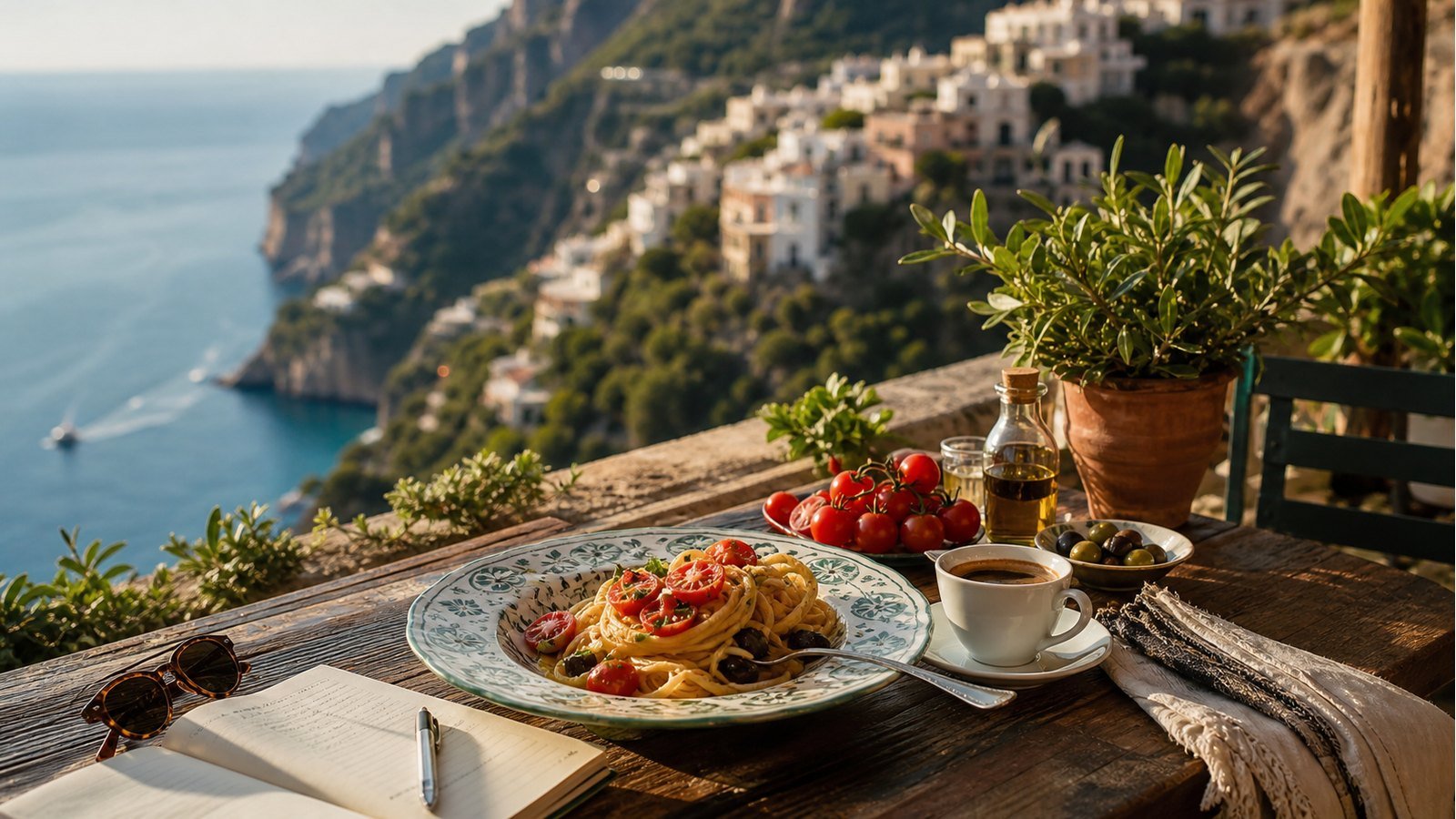
Beyond Sicily, the Amalfi Coast, Cagliari in Sardinia, and the Gargano peninsula in Puglia are being framed as October’s best coastal alternatives — destinations warm enough for lingering lunches by the water, but calm enough that booking a table no longer requires weeks of planning. This shift toward lesser-visited coastal towns reflects a broader pattern in regional travel: southern Italy’s off-peak season is increasingly treated as a feature, not a compromise.
Rome’s Autumn Value Proposition
Rome remains the steady anchor of Italy’s October travel conversation, but the pitch has changed. Rather than being sold purely on monuments, the Eternal City is now marketed as a value-driven autumn city break: shorter lines at the Vatican Museums and Colosseum, mild temperatures ideal for walking the Appian Way or Trastevere, and hotel rates noticeably softer than peak summer. Multiple sources converge on this point, suggesting it’s not a fluke but a sustained trend — Rome in October rewards travelers who want the city’s weight of history without its summer logistics.
Tuscany’s Hill Towns and the Harvest Connection
If Sicily represents warmth and Rome represents efficiency, Tuscany represents slowness — and October is its signature month. Guides consistently point to Montepulciano, Pienza, and Montalcino as ideal bases, alongside Civita di Bagnoregio, the so-called “dying city” whose dramatic plateau setting photographs best in the soft autumn haze. What distinguishes this year’s coverage is the explicit tie between destination and season: October in Tuscany isn’t just about scenery, it’s about truffle hunting, olive harvests, and winery visits in regions like the Langhe and the Chianti Hills. Cycling routes through vineyard country and food-focused road trips are increasingly framed as the itinerary itself, not an add-on.
What This Means for Travelers Planning Ahead
The throughline across Sicily, Rome, and Tuscany is clear: Italy’s October travel market is rewarding those who choose regional travel over single-city visits and prioritize hidden gems over headline destinations. Practically, this means:
- Booking smaller hill towns like Ragusa or Pienza as bases rather than day-trip detours
- Timing visits around harvest events — truffle season in Tuscany typically peaks in October and November
- Choosing coastal alternatives (Cagliari, Gargano) over saturated Amalfi hotspots for better value
- Treating Rome as an autumn city break rather than a summer must-do, taking advantage of lighter crowds
This pattern also suggests a maturing travel market: Italy destinations are no longer judged solely by icon status, but by seasonal fit and authentic regional character.
Key takeaway: October 2026 confirms that Italy’s best trip isn’t necessarily its most famous one. Pairing warm-weather Sicily, value-priced Rome, and slow-travel Tuscan hill towns — with a harvest-season food angle woven throughout — offers a smarter, richer alternative to peak-summer itineraries, and it’s a formula worth building your autumn travel plans around.