
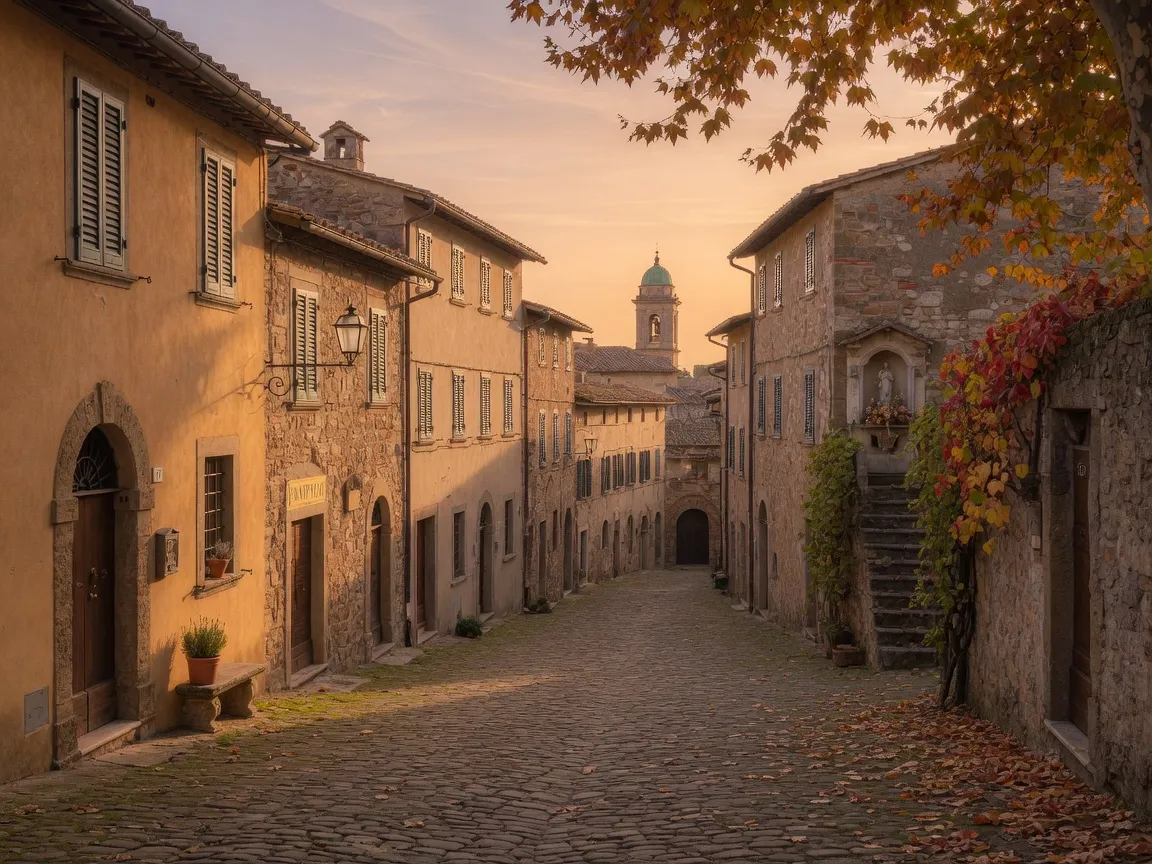
Italy in mid-October is a study in contrasts. On one hand, Italia.it reported a 28% jump in traffic in September, proof that interest in Italy destinations — from the grand cities to the quiet, hidden gems Italy is known for — has never been stronger. On the other, a cluster of transport strikes and weather alerts is converging on some of the country’s busiest regional travel gateways: Florence, Pisa, Venice and Sicily. For anyone planning a short break or a coastal itinerary this week, understanding the pattern matters more than panicking over headlines.
What’s Actually Happening: A Patchwork, Not a Shutdown
The disruption isn’t a single national strike — it’s a fragmented series of regional actions. Tuscany is bracing for a regional rail strike on 14 October, which will affect the local trains travelers typically rely on to hop between Florence, Pisa, and smaller hill towns during a short break. Then, on 16 October, a 24-hour air transport strike involves easyJet crew and airport staff in Tuscany, along with security personnel at Venice Marco Polo Airport. That combination could ripple through flights into Florence, Pisa, and Venice on that day specifically.
Meanwhile, Sicily and parts of southern Italy are under separate weather alerts for thunderstorms and flooding risk — a reminder that autumn in the Mediterranean brings its own logistical variable, especially for coastal towns and island-hopping plans. Add to this a broader pattern of recent, smaller-scale disruptions touching Sicily, Milan, Lake Como, Ravenna, Rimini and Florence, and the picture is less “Italy is closed” and more “Italy’s regional travel requires a flexible plan this week.”
Why This Matters for City-Break and Coastal Travelers
Florence, Pisa, and Venice function as regional travel hubs precisely because so many visitors use them as a base — for day trips into Chianti, the Cinque Terre, or the Venetian lagoon islands. When airport staffing and regional rail both face strike action in the same week, even travelers not flying or training on the strike days themselves can feel the knock-on effects: delayed connections, crowded alternative routes, and last-minute schedule changes.
For Sicily and other southern coastal destinations, the weather alerts add a different kind of friction. Thunderstorms and flood risk can affect ferry schedules to smaller islands, coastal road access, and outdoor itineraries in towns built around harborfronts and cliffside paths. It’s a useful reminder that regional travel in Italy — particularly along the coast — benefits from built-in flexibility, not rigid back-to-back bookings.
Where to Look Instead: The Case for Slower, Less-Trafficked Italy
This is exactly the moment when Italy’s lesser-known corners prove their worth. Rather than fighting congestion at major gateways, consider:
- Inland Tuscany beyond Florence — towns like Montepulciano or Pienza, reachable by car, sidestep the rail disruption entirely while offering the region’s best food and views.
- Sicily’s interior — Noto, Modica, and the Val di Noto’s baroque towns offer rich itineraries without dependence on coastal ferries during unsettled weather.
- Smaller Adriatic and Emilia-Romagna towns — with Ravenna and Rimini already in the disruption conversation, nearby, quieter alternatives can absorb displaced travelers without the crowds.
This approach aligns with a theme already visible in traveler behavior: growing appetite for hidden gems Italy has long protected from overtourism, discovered precisely because visitors are rethinking rigid, hub-dependent itineraries.
Implications for Planning Ahead
The practical takeaway isn’t to avoid Tuscany, Venice, or Sicily — it’s to build slack into regional travel plans during strike-prone weeks. Checking strike calendars before booking connecting trains or domestic flights, allowing buffer days around 14–16 October, and having a backup plan for ferry-dependent coastal days in Sicily are simple steps that protect an itinerary without sacrificing the destinations themselves.
It’s also worth remembering that Rome, as Italy’s largest and most redundant transport hub, tends to absorb disruption more easily than smaller regional airports — a point worth factoring in if your trip includes a Rome leg alongside Tuscany or coastal detours.
Key Takeaway
Mid-October’s wave of strikes and weather alerts is a regional, not national, disruption — concentrated around Florence, Pisa, Venice, and Sicily’s coast. Travelers heading into these areas this week should build flexibility into transport plans, and those with room to adjust might find this the perfect nudge to explore Italy’s quieter interior towns instead of its busiest gateways.