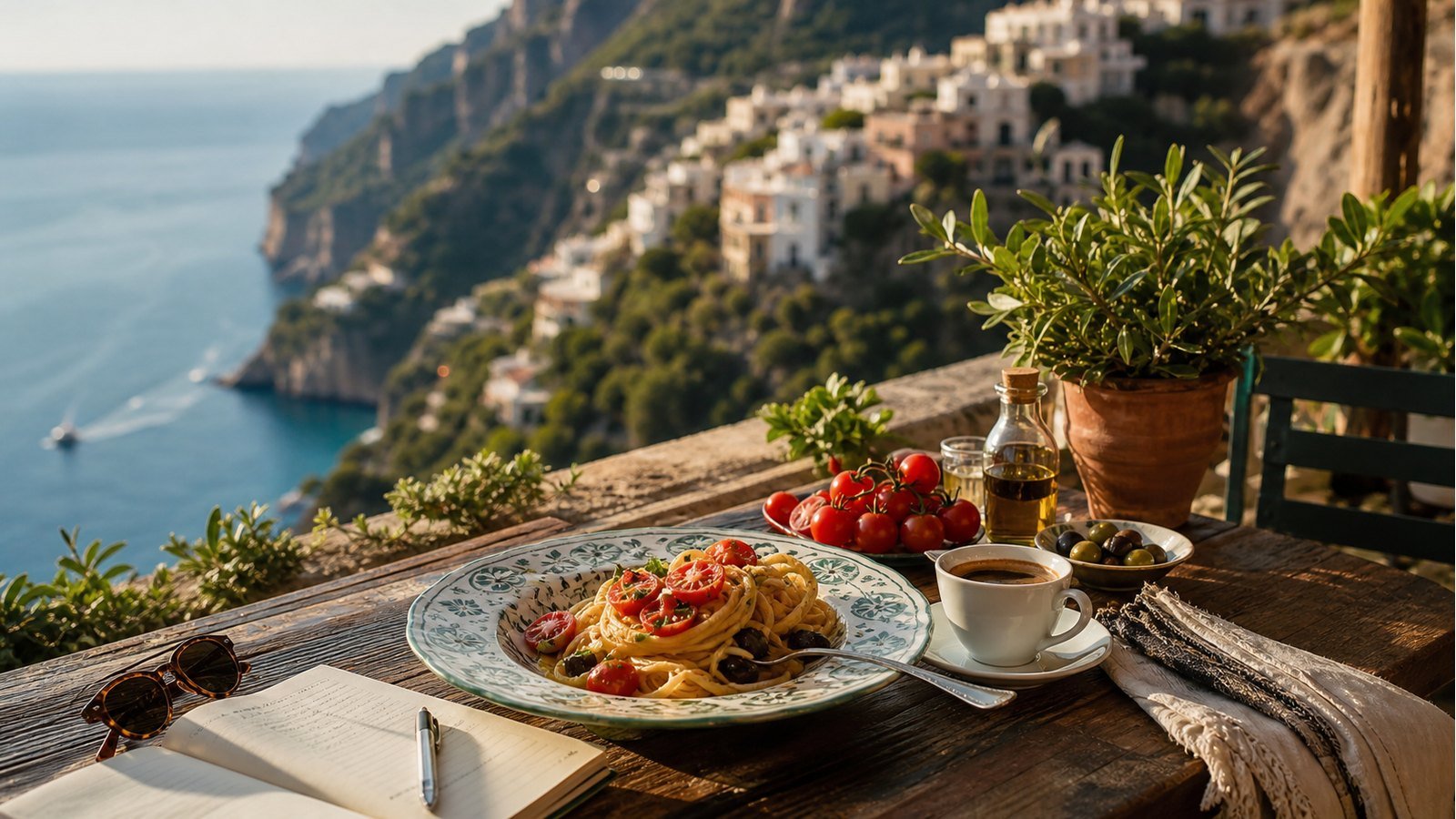
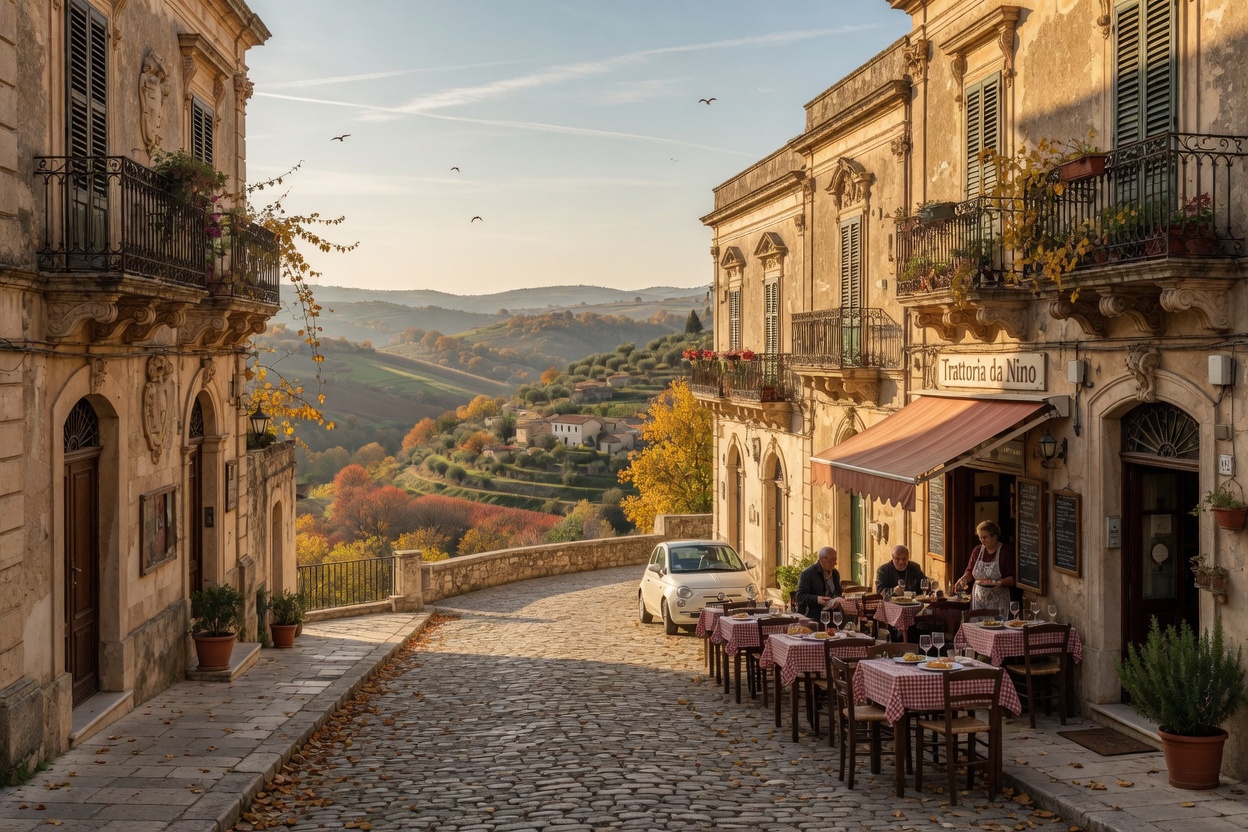
For years, summer owned the Italy travel conversation. But this October, the itinerary has quietly shifted. Travelers are trading peak-season crowds in Venice and the Amalfi Coast’s busiest stretches for a slower, more flavorful version of the country — one built around harvest festivals, regional cuisine, and towns that rarely make the highlight reel. This season’s travel guides tell a consistent story: Italy destinations are being rediscovered through food, not just views.
Shoulder Season Takes the Spotlight
October has become something of a sweet spot for Italy. The weather is mild, the light is softer, and the tourist density that defines June through August has eased considerably. Recent coverage from idealista/news, VisitItaly.eu, and Jetpac Global all point to the same pattern: travelers are prioritizing regional travel over marquee city stops, choosing Tuscany’s wine country, Sicily’s eastern coast, and smaller cities over the usual Rome-Florence-Venice triangle.
This isn’t just about avoiding lines at the Colosseum. It reflects a broader change in how people plan trips — centering itineraries on seasonal food events rather than landmark checklists. Mushroom foraging, truffle hunting, and olive harvest sagre are drawing visitors into the countryside at exactly the moment local producers are busiest, creating a kind of travel calendar built around agriculture rather than architecture.
Sicily’s East Coast and the Rise of Warm-Weather Routes
Sicily is emerging as the standout warm-weather choice for autumn travelers, and the routing is notably specific. Catania, Taormina, and the slopes of Mount Etna anchor one end of the circuit, while Ortigia’s old-town charm, Noto’s baroque architecture, Modica’s chocolate heritage, and Ragusa’s hilltop streets extend it further south. This stretch offers something increasingly rare in Italian travel: genuine warmth well into October, paired with food traditions — Etna’s volcanic-soil wines, Modica’s Aztec-style chocolate, Noto’s almond pastries — that reward slow, unhurried exploration.
Ragusa in particular is gaining traction as a hidden gem in Italy, frequently mentioned alongside Liguria’s Camogli as the kind of destination travelers actively seek out specifically because it isn’t crowded. Both towns share a quality that’s become a selling point in itself: they feel lived-in rather than staged for tourism, with fishing-village rhythms (Camogli) or Sicilian baroque backstreets (Ragusa) that reward wandering without an agenda.
Tuscany, Rome, and the Quiet Appeal of Familiar Places
Even the most visited regions are being reframed. Tuscany’s wine country — Chianti, Montalcino, the hills around Siena — is drawing renewed attention precisely because October aligns with grape harvest and the first pressings of new vintages. It’s less about discovering somewhere new and more about experiencing a familiar place differently: vineyards during active harvest, sagre in small hill towns, and restaurants built around whatever came in from the fields that morning.
Rome and Florence, meanwhile, are being positioned as shoulder-season city breaks rather than peak-summer must-dos. The appeal is straightforward — major sites with shorter queues, comfortable walking weather, and a market and trattoria scene still running on autumn produce: porcini, chestnuts, and the first olive oil of the season.
What This Means for Travelers Planning Ahead
The implication for anyone booking an Italy trip is clear: timing and region now matter as much as destination. A few practical takeaways stand out:
- Book shoulder-season stays in Sicily and Liguria early — demand for hidden gems like Ragusa and Camogli is rising precisely because they’re being actively promoted as alternatives to crowded coastal towns.
- Build itineraries around food calendars, not just sightseeing — truffle and olive harvest events in Tuscany and Umbria often dictate the best weeks to visit specific villages.
- Consider pairing a classic city (Rome or Florence) with a lesser-known region to balance iconic sights with the quieter, food-driven experiences now defining autumn travel.
Key takeaway: Italy’s October travel boom isn’t about new destinations so much as a new way of seeing old ones — through harvest tables, quiet piazzas, and coastal towns that have always been worth the detour, now finally getting their moment.