
October has turned into a stress test for anyone planning a classic Italian itinerary. A dense run of transport strikes is sweeping through Florence, Sicily, Milan, Venice and other key hubs, disrupting local transit, regional rail, and even aviation services over the coming weeks. For travelers juggling multi-stop trips across Tuscany, Sicily, and the northern city circuit, the timing could hardly be more inconvenient — but it’s also a reminder that Italy destinations rewarded for flexibility often reveal their best side.
What’s Actually Happening on the Ground
The strike calendar is dense and region-specific, which matters enormously for itinerary planning. Florence faces a 24-hour local public transport strike on October 10, meaning city buses and tram services could grind to a halt with little advance warning for day-trippers relying on public transit to reach the Tuscan countryside.
Sicily‘s regional rail network will be hit by a strike on October 12–13, directly affecting travel between major towns like Palermo, Catania, and Syracuse — a serious complication for anyone attempting an island-wide itinerary by train rather than car.
Then, on October 16, a nationwide aviation disruption looms, with airport security operations affected at Venice Marco Polo and technical crew issues impacting Poste Air Cargo. For international travelers connecting through Italy’s airports, this adds yet another layer of scheduling risk.
The practical takeaway: check strike calendars before booking regional trains, build buffer days into itineraries, and have backup transport (rental car, private transfer) as a contingency — especially in Sicily and Tuscany, where public transit options outside major cities are already limited.
The Silver Lining: Italy’s Least-Photographed Villages
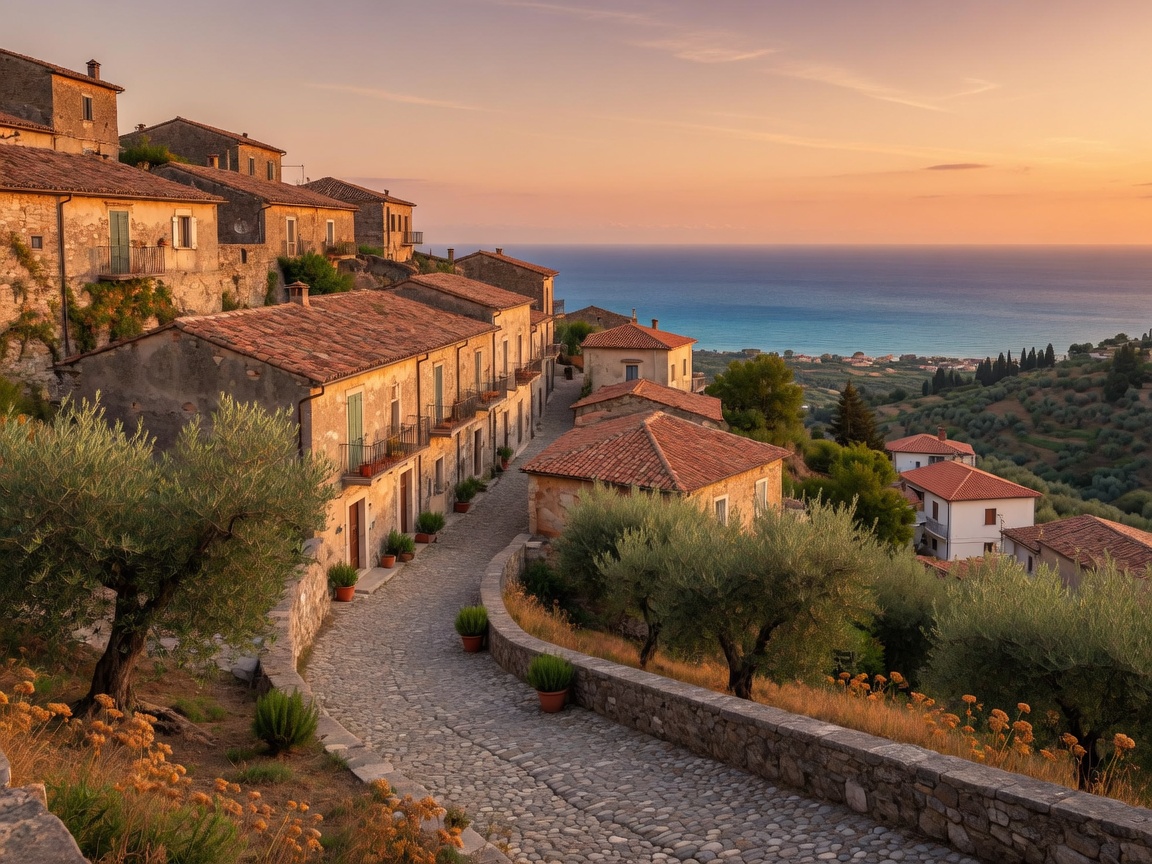
Amid the disruption, a quieter but more compelling story has emerged. A new report spotlighting Italy’s least-photographed villages is pointing travelers toward destinations in Calabria, Lazio, Puglia, and Marche — regions that rarely make it onto the standard Rome-Florence-Sicily itinerary but offer exactly the kind of slow, authentic travel experience that’s increasingly in demand.
This isn’t a coincidence of timing. As strikes make rigid, multi-city itineraries riskier, travelers are naturally gravitating toward regional travel that’s more self-contained — a week based in one Puglian coastal town, for instance, rather than a whirlwind tour requiring four train connections across three regions. Hidden gems Italy enthusiasts have long championed these villages precisely because they reward travelers who slow down and stay put.
- Calabria offers dramatic coastal towns and mountain villages largely untouched by mass tourism, ideal for car-based exploration that sidesteps rail disruption entirely.
- Lazio beyond Rome holds medieval hill towns within easy driving distance of the capital, perfect for day trips that avoid strike-affected transit lines.
- Puglia continues to build its reputation for whitewashed coastal towns and trulli-dotted countryside, best explored by car or local transfer rather than rail.
- Marche remains one of Italy’s most underrated regions, combining Adriatic coastal towns with inland hill villages and a noticeably lighter tourist footprint.
Implications for Trip Planning This Autumn
The confluence of strike disruption and growing interest in lesser-known regions points to a broader shift in how people are approaching Italy destinations. Rigid, transit-dependent itineraries hopping between Rome, Florence, and Sicily in a single week are increasingly vulnerable to exactly this kind of disruption. A more resilient approach favors regional travel: choosing one or two base towns, renting a car where feasible, and allowing for slower, more immersive stays.
This also aligns with a trend Acerbo Livio has tracked for some time — the growing appetite for Sicily Tuscany Rome coastal towns alternatives that offer comparable beauty without the crowds or the transit bottlenecks. Travelers willing to trade a strict checklist of famous sites for a slower pace often find that disruption becomes an opportunity rather than a setback.
Key Takeaway
This October’s wave of Italian transport strikes is a genuine planning challenge, particularly for anyone relying on trains and public transit across Florence, Sicily, and Venice. But it also underscores a travel philosophy worth embracing year-round: build flexibility into your itinerary, consider renting a car for regional mobility, and use this moment as an invitation to explore Italy’s hidden villages in Calabria, Lazio, Puglia, and Marche — places where the journey matters less than the destination, and where slow travel was always the point.